The Ultimate Guide to Hiking in Grand Canyon National Park: Trails, Terrain, and Transformative Desert Adventures
The Ultimate Guide to Hiking in Grand Canyon National Park begins with a simple truth: the Grand Canyon does not behave like other hiking destinations. It invites you in with vast views and layered cliffs, yet it demands respect with heat, elevation changes, and unforgiving terrain. Many travelers arrive expecting a scenic walk along the rim. Few understand how dramatically the canyon reshapes your sense of distance, effort, and time.
When you stand on the South Rim for the first time, the landscape feels almost painted. Colors shift from rust red to violet depending on the sun. The Colorado River glimmers like a thread of silver thousands of feet below. The silence carries weight. Yet hiking here moves beyond scenery. It becomes a test of planning, pacing, hydration, and awareness.
This guide walks you through everything you need to know—trails, preparation, seasonal strategy, and safety principles—so you can navigate the canyon with confidence. By the end of The Ultimate Guide to Hiking in Grand Canyon National Park, you will understand not only where to hike, but how to hike wisely.
Understanding the Canyon Before You Hike

The Geography That Changes the Rules
Grand Canyon National Park stretches across northern Arizona, covering over a million acres of desert, cliffs, and river-carved terrain. Unlike mountain hikes that climb upward, most Grand Canyon hikes begin with a descent. You walk downhill first. Gravity helps you early, but it works against you when you climb back out.
The inner canyon can feel 15 to 25 degrees Fahrenheit hotter than the rim. Elevation shifts from over 7,000 feet at the South Rim to roughly 2,400 feet at the Colorado River. That dramatic drop affects temperature, hydration, and physical stamina.
The Illusion of Distance
The canyon plays tricks on perception. Clear desert air makes distant cliffs appear closer than they are. Hikers often underestimate time and energy. A three-mile descent may feel manageable. The same three miles uphill can demand double the effort.
When planning your adventure using The Ultimate Guide to Hiking in Grand Canyon National Park, always calculate energy for the return climb first.
Choosing the Right Rim: South Rim vs. North Rim

South Rim: Accessibility and Iconic Views
The South Rim remains open year-round and attracts most visitors. It offers developed facilities, visitor centers, and clearly maintained trails. First-time hikers often begin here because the infrastructure supports both casual walkers and experienced backpackers.
North Rim: Elevation and Solitude
The North Rim sits higher and receives fewer visitors. Dense forests surround overlooks, and the atmosphere feels quieter and more remote. Snow closes access roads during the winter months, typically from late November through mid-May.
Your choice of rim shapes your hiking style. If you value convenience and famous viewpoints, choose the South Rim. If you prefer fewer crowds and cooler temperatures, consider the North Rim.
Classic Day Hikes for First-Time Visitors

Bright Angel Trail
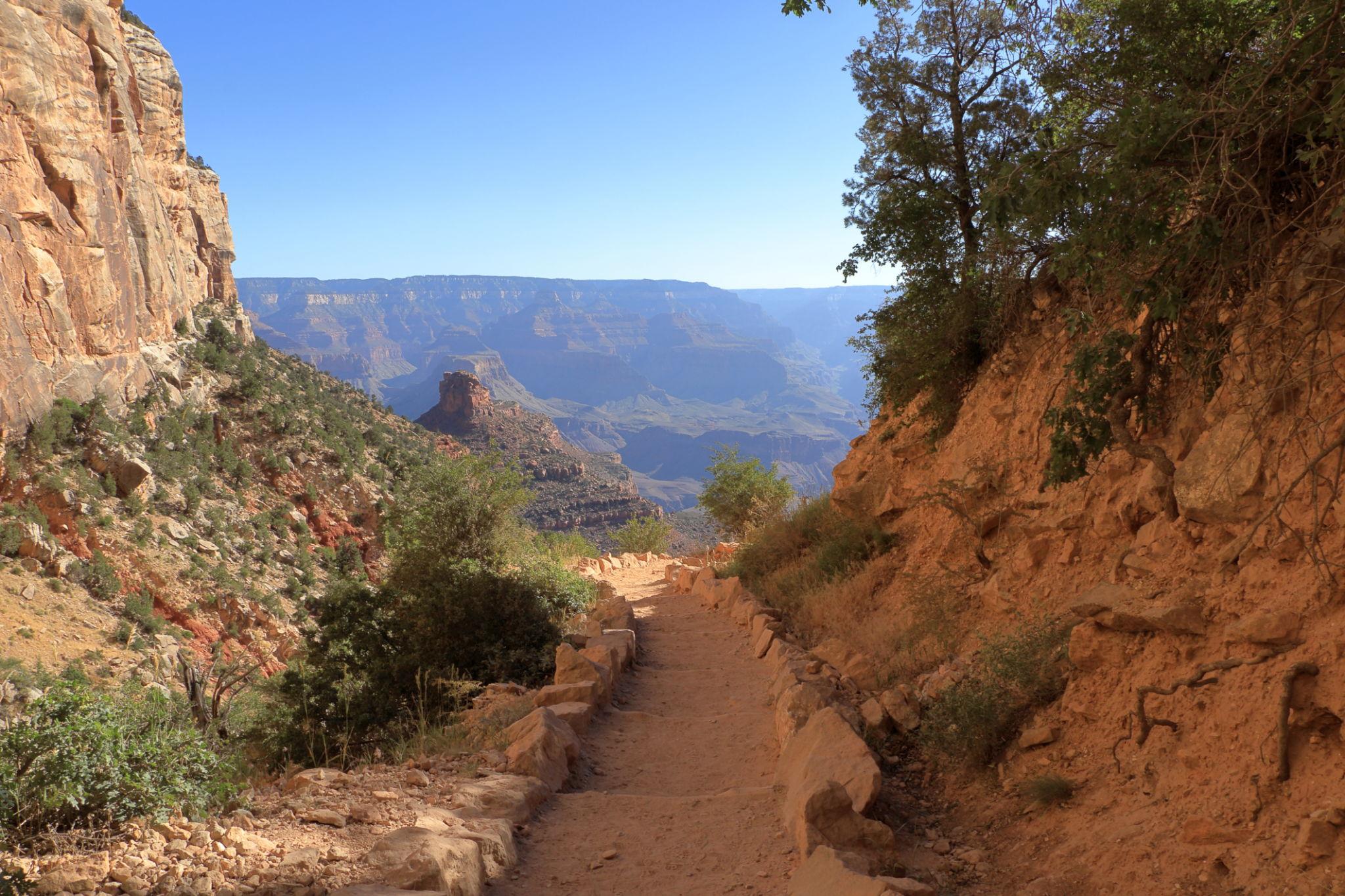
Bright Angel Trail offers water stations (seasonally available) and resthouses along the route. The trail begins near Grand Canyon Village and descends gradually with shaded sections. Many hikers aim for the 1.5-Mile or 3-Mile Resthouse before turning back.
Bright Angel suits those who want structure, signage, and moderate grades.
South Kaibab Trail
South Kaibab Trail delivers dramatic ridge-top views. Landmarks like Ooh Aah Point and Cedar Ridge provide stunning vantage points. The trail lacks water stations, so hikers must carry all supplies.
South Kaibab offers some of the most photogenic panoramas in the park.
Rim Trail
Rim Trail runs along the canyon’s edge and remains mostly flat. Paved sections allow relaxed walks between viewpoints. This trail suits families, photographers, and visitors adjusting to the altitude.
For beginners exploring The Ultimate Guide to Hiking in Grand Canyon National Park, these three trails provide accessible introductions without extreme risk.
Hiking to the Colorado River: A Serious Commitment
The Rim-to-River Challenge
Reaching the Colorado River requires stamina, planning, and respect for desert heat. Many hikers combine South Kaibab down with Bright Angel up for a loop. The total distance exceeds 15 miles, with significant elevation change.
Phantom Ranch Experience
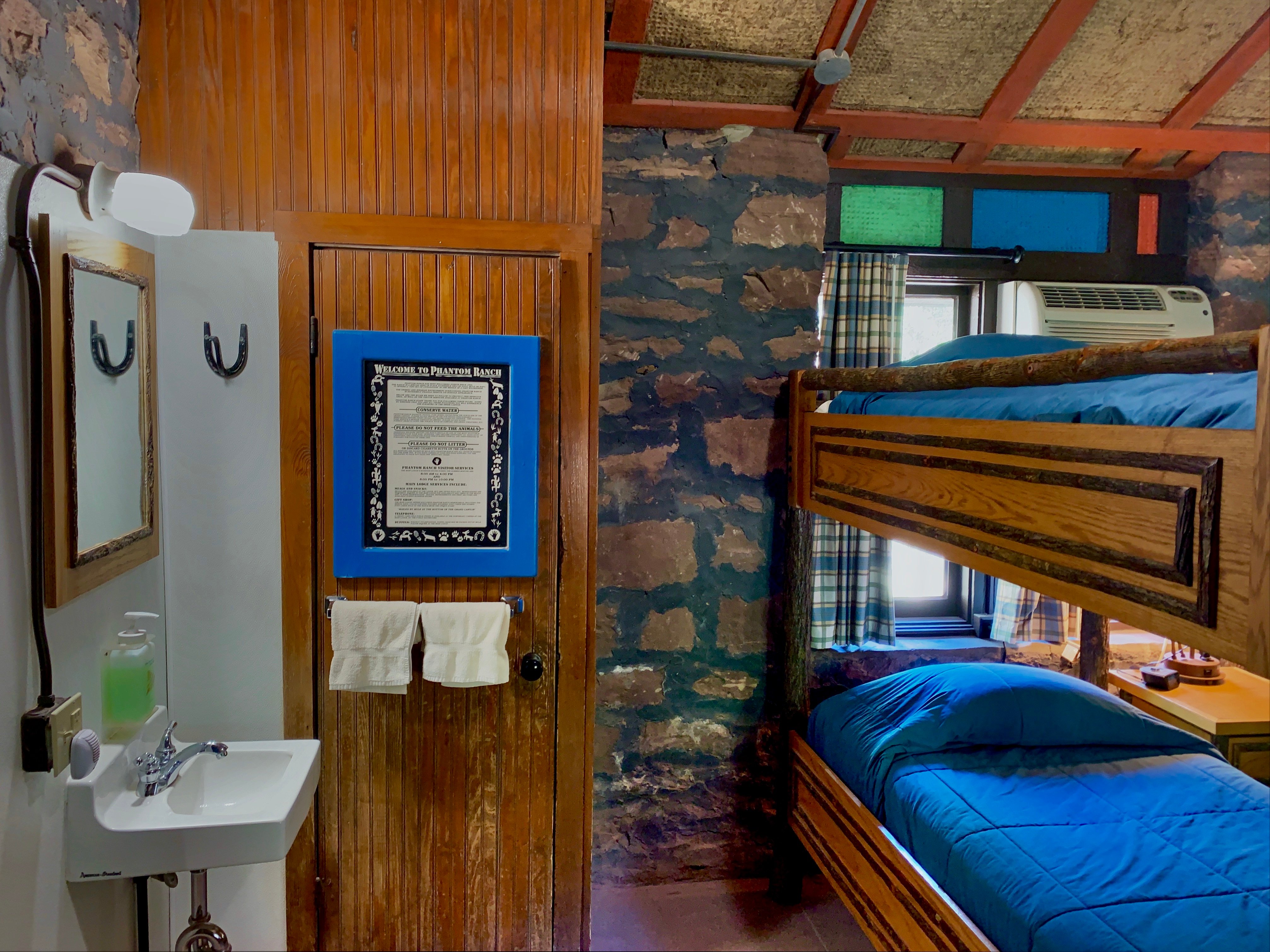
Phantom Ranch sits near the river and offers cabins and dormitory lodging. Reservations fill months in advance. Backpackers often camp at nearby Bright Angel Campground.
Attempting a rim-to-river-to-rim hike in one day pushes physical limits. Park rangers strongly discourage this plan during the summer months. Hydration, electrolytes, and pacing determine success.
Seasonal Strategy: When to Hike
Spring and Fall: Ideal Balance
Temperatures remain moderate, and water availability improves. Crowds increase, yet conditions favor longer hikes.
Summer: Extreme Heat
Inner canyon temperatures can exceed 110°F (43°C). Early morning starts become essential. Hikers who ignore heat risk, dehydratio,n or heatstroke.
Winter: Snow on the Rim
Icy conditions affect upper trail sections. Traction devices help on shaded paths. Lower elevations remain milder.
Understanding seasonal timing enhances safety and enjoyment. Every serious plan within The Ultimate Guide to Hiking in Grand Canyon National Park must account for temperature shifts.
Essential Preparation and Safety Principles

Hydration Strategy
Carry more water than you expect to need. Electrolyte supplements help prevent cramping and fatigue. Never rely solely on seasonal water stations.
Pace and Turnaround Time
Start early. Set a strict turnaround time regardless of progress. Many rescue operations occur because hikers descend too far without reserving energy for the climb.
Sun Protection
Wide-brim hats, sunscreen, and lightweight long sleeves reduce exposureThe desertrt sun drains energy quickly.
Rangers emphasize self-awareness. Listen to your body. If dizziness, nausea, or confusion begins, stop and reassess immediately.
Permits and Backpacking Logistics
Overnight trips below the rim require backcountry permits. Applications open months in advance. Campsites fill quickly, especially during peak seasons.
Backpacking transforms the canyon into a multi-day immersion. Sunsets from the inner canyon feel quieter and more intimate than rim viewpoints. However, overnight hikers must manage food storage, water purification, and waste responsibly.
Planning carefully ensures that your journey aligns with park regulations and environmental ethics.
The Mental Experience of Canyon Hiking
Hiking here reshapes perspective. As you descend through geological layers, you walk backward through time. Rock formations represent millions of years of Earth’s history. Silence deepens as crowds fade.
The climb back to the rim often becomes symbolic. Each step upward reinforces patience and resilience. The canyon rewards preparation and humility.
Many travelers describe their journey not simply as an exercise, but as a reflection.
Conclusion
The Ultimate Guide to Hiking in Grand Canyon National Park equips you with more than trail names and distances. It teaches respect for terrain, climate, and physical limits. It encourages thoughtful planning rather than impulsive adventure.
From rim strolls to river expeditions, every hike within Grand Canyon National Park delivers grandeur on a scale few landscapes match. When you prepare wisely, pace yourself carefully, and adapt to the desert environment, the canyon transforms from intimidating to empowering.
Use The Ultimate Guide to Hiking in Grand Canyon National Park as your foundation. Then step forward with confidence, curiosity, and respect for one of the most extraordinary hiking destinations on Earth.