Why Road Tripping Route 66 is Still a Must-Do American Experience in the Age of Highways and Digital Maps
Why Road Tripping Route 66 is Still a Must-Do American Experience becomes clear the moment your tires touch the old pavement and the landscape begins to stretch endlessly toward the horizon. In a world ruled by GPS shortcuts, nonstop flights, and interstates built for speed, Route 66 invites you to slow down. It asks you to trade efficiency for discovery.
Route 66 once connected Chicago to Santa Monica, crossing eight states and thousands of miles. Families fleeing the Dust Bowl traveled in search of opportunity. Soldiers, dreamers, musicians, and wanderers followed its curves across farmland, desert, and mountain passes. While newer highways replaced much of the original road, its spirit never faded.
Travelers today still chase that spirit. They want neon signs glowing at dusk, diners serving pie under humming fluorescent lights, and roadside attractions that refuse to modernize. Understanding why road tripping Route 66 is still a must-do American experience requires more than history. It requires stepping into the story yourself.
The Romance of the Open Road
Freedom That Feels Tangible
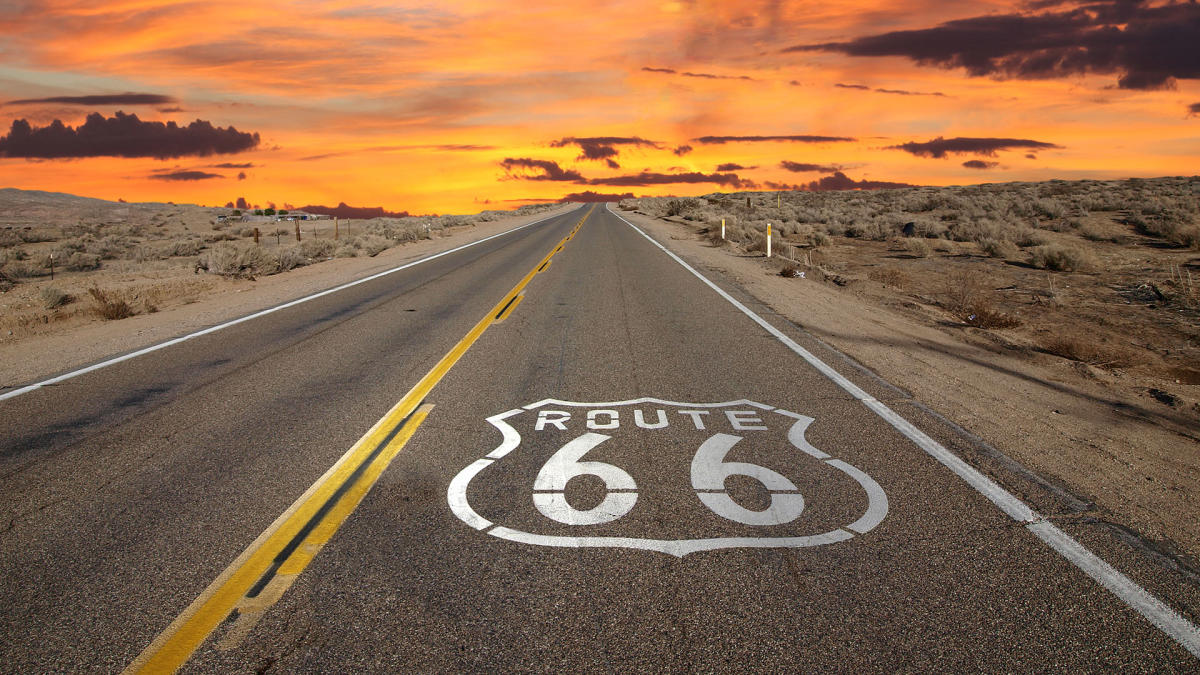
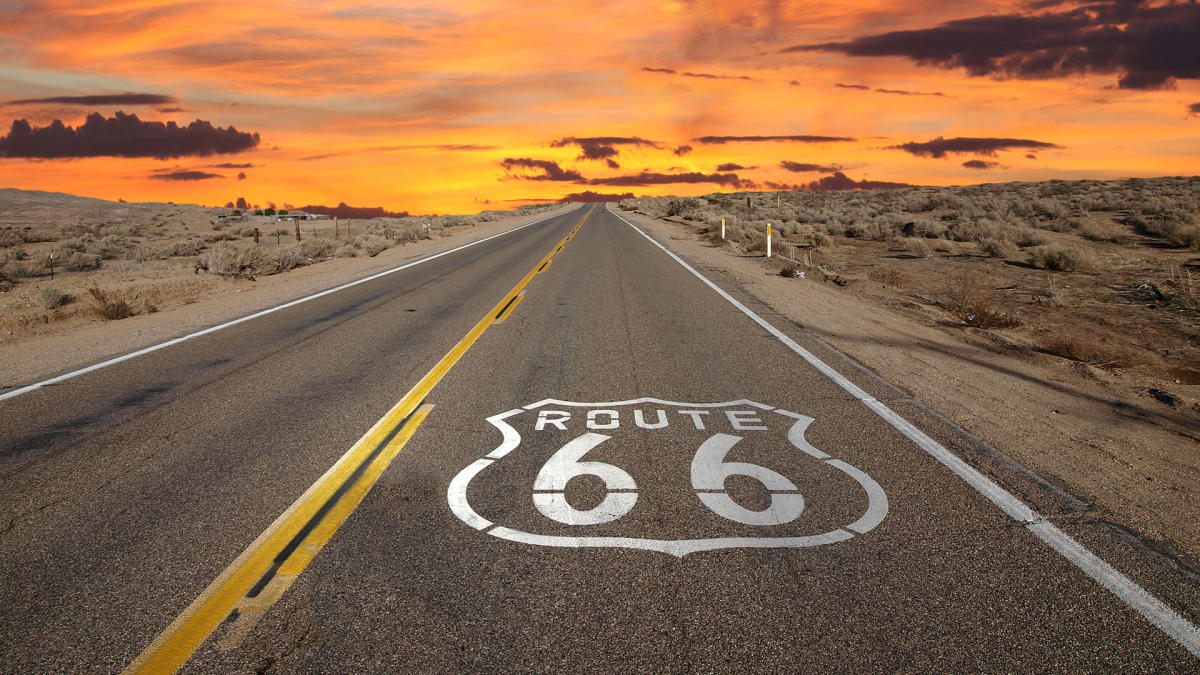
Modern highways focus on efficiency. Route 66 celebrates movement for its own sake. The road curves gently through small towns and vast deserts, offering moments where nothing surrounds you except sky and asphalt. You control the pace. You decide when to stop.
The experience feels deeply American because it connects freedom with landscape. You drive through Illinois farmland, Oklahoma plains, Texas panhandle winds, New Mexico mesas, and Arizona desert stretches. Each state shifts the scenery, yet the road binds them together.
A Journey, Not Just a Destination
Interstates push drivers toward arrival times. Route 66 encourages detours. Pull over for hand-painted murals. You step inside family-run diners. You photograph rusted gas stations that once fueled cross-country travelers.
When people ask why road tripping Route 66 is still a must-do American experience, the answer often begins with this slower rhythm. The road restores the joy of wandering.
Living History in Small-Town America
Towns That Refuse to Fade
Communities along Route 66 protect their heritage fiercely. In towns like Seligman or Williams, storefronts display vintage signs and classic cars line the streets. Owners greet travelers warmly and share stories about the road’s golden era.
These towns once depended on highway traffic. When interstates diverted drivers away, many businesses struggled. Instead of disappearing, locals leaned into nostalgia. They restored motels, revived diners, and painted murals that celebrate Route 66 legends.
Motels with Character, Not Uniformity
Chain hotels dominate modern travel corridors. Route 66 offers independent motels with personality. Neon signs flicker at dusk. Rooms feature retro décor and family photos on the walls. You feel connected to the owners rather than an anonymous guest number.
Understanding why road tripping Route 66 is still a must-do American experience means recognizing that these towns preserve a chapter of national identity.
Landscapes That Define the American West

From Prairie to Desert
Few roads showcase such geographic diversity. In Oklahoma, rolling plains stretch beneath big skies. In New Mexico, red mesas rise dramatically from the earth. Arizona delivers cactus-lined highways and dramatic desert sunsets. California greets drivers with the Pacific Ocean at Santa Monica Pier.
The road frames these landscapes in a way that feels cinematic. Each mile adds texture to the narrative of American expansion and exploration.
Photography and Reflection
Travelers often pull over simply to absorb the view. Silence settles in remote stretches. The wind carries sand across the road. Those quiet moments create space for reflection. You don’t just pass through scenery; you inhabit it.
This physical immersion answers part of why road tripping Route 66 is still a must-do American experience. The land itself tells the story.
Roadside Americana and Quirky Attractions

Embracing the Unusual
Route 66 celebrates eccentricity. In Texas, visitors spray-paint classic cars at Cadillac Ranch. In various towns, giant statues, themed museums, and retro diners stand proudly along the roadside.
These attractions reflect creativity rather than corporate branding. They invite laughter and spontaneous stops.
Dining as Cultural Ritual
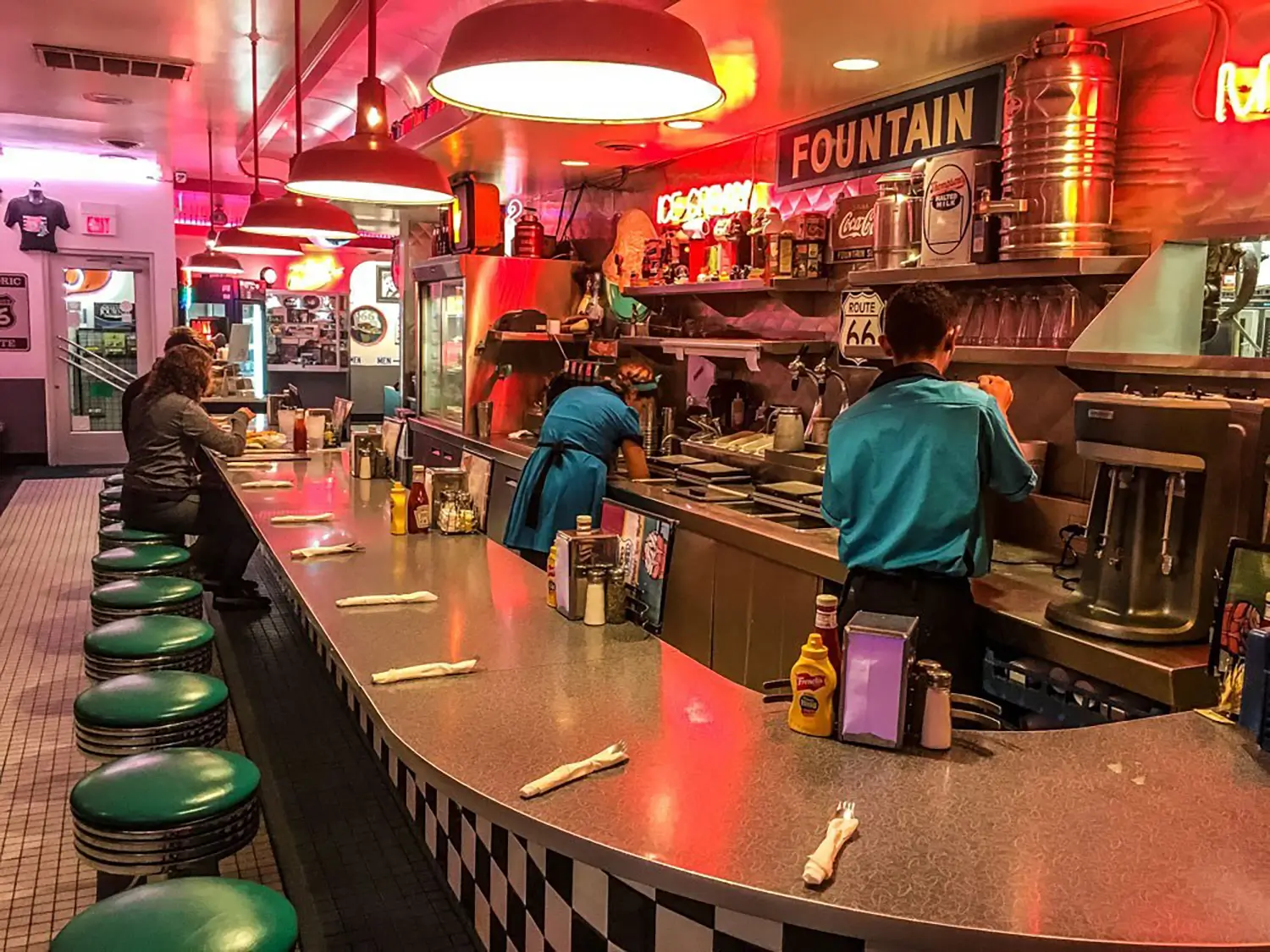
Classic diners serve burgers, milkshakes, and homemade pie. The menus often remain simple, but the atmosphere delivers authenticity. Locals chat with travelers at the counter. Stories flow more freely than Wi-Fi signals.
When travelers consider why road tripping Route 66 is still a must-do American experience, they often recall these playful, human-scale encounters.
Route 66 in the Modern Era
Technology Meets Tradition
Digital maps guide drivers through surviving stretches of the original route. Social media allows travelers to document neon signs and desert horizons instantly. Yet the road itself resists complete modernization.
Many segments retain narrow lanes and historic signage. That contrast between old and new heightens the journey’s charm.
A Symbol That Transcends Generations
Parents who once drove Route 66 now return with their children. International visitors rent cars specifically to experience it. Musicians reference it in songs. Filmmakers use it as shorthand for freedom.
Why road tripping Route 66 is still a must-do American experience lies partly in symbolism. The road represents resilience, movement, and the promise of possibility.
Planning the Perfect Route 66 Adventure
Travelers rarely drive the entire historic length in one trip. Many choose a segment, such as Chicago to St. Louis or Albuquerque to the California border. Planning involves balancing nostalgia with practicality. Some stretches require careful navigation, while others blend seamlessly with modern highways.
Spring and fall offer comfortable weather, especially in desert regions. Renting a convertible enhances the sensory experience. Packing flexible schedules allows room for spontaneous discoveries.
Thoughtful preparation enhances enjoyment, but spontaneity defines the spirit. That balance keeps the journey authentic.
Conclusion
Why Road Tripping Route 66 is Still a Must-Do American Experience becomes evident through landscapes, small towns, neon lights, and unplanned detours. The road invites travelers to slow down and engage with history, culture, and geography in tangible ways.
In an era obsessed with speed, Route 66 rewards patience. It connects past and present through asphalt and storytelling. It transforms a drive into a pilgrimage across the American imagination.
For anyone seeking more than a checklist vacation, the answer remains clear. Why road tripping Route 66 is still a must-do American experience rests in its ability to remind us that sometimes the road itself matters more than the destination.