
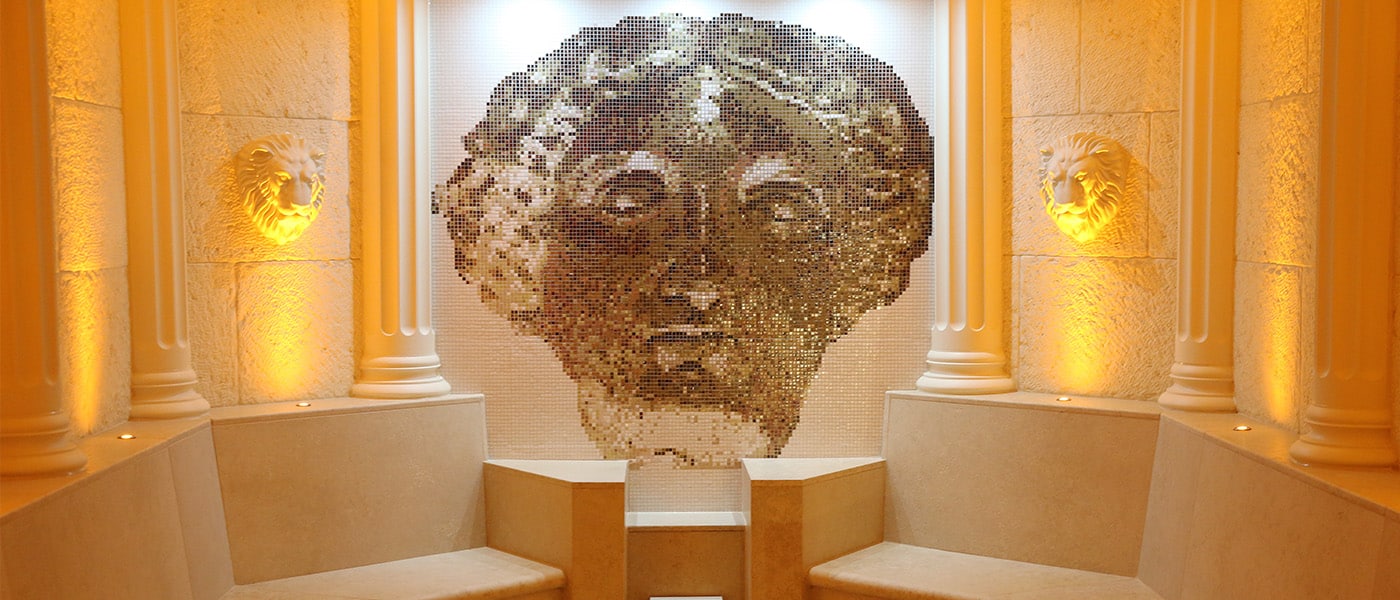
Exploring the Roman History and Ancient Spas of Bath England Through Sacred Waters, Roman Engineering, and Georgian Grandeur
Exploring the Roman History and Ancient Spas of Bath, England,d feels less like visiting a city and more like opening a living history book carved in stone. Bath rises gently from the Somerset countryside, its honey-colored Georgian terraces glowing under shifting English skies. Yet long before elegant crescents and afternoon teas defined its reputation, something far older shaped this place: hot water rising from the earth.
Nearly two thousand years ago, Roman engineers recognized the power of these thermal springs. They did not simply build baths. They constructed a spiritual, social, and architectural centerpiece that anchored an entire settlement known as Aquae Sulis. Today, visitors walk the same ground, breathe the same mineral-scented air, and gaze at pools that once reflected Roman columns and togas.
Understanding Exploring the Roman History and Ancient Spas of Bath,th England requires following the water itself—tracing its journey from sacred Celtic worship to Roman ritual, from Georgian high society to modern spa culture. Bath tells a continuous story where past and present meet in steam rising from ancient stone.
The Sacred Spring Before the Romans

Celtic Roots and the Goddess Sulis
Long before Roman legions crossed into Britain, local Celtic tribes revered the thermal spring at Bath. They believed a goddess named Sulis guarded the waters. The rising steam, especially during colder mornings, created an atmosphere of mystery and spiritual presence.
Unlike many conquering forces, the Romans did not erase this belief. Instead, they merged Sulis with their own goddess Minerva, creating Sulis Minerva. This fusion allowed Roman authorities to integrate local faith while asserting imperial influence. Exploring the Roman History and Ancient Spas of B,ath England begins with this cultural blending, which shaped the identity of the city from its earliest days.
Water as Power and Promise
The spring water emerges from deep underground at a naturally warm temperature, enriched with minerals absorbed through layers of limestone. To ancient communities, this phenomenon symbolized divine intervention. The Romans recognized both its spiritual and practical value. They understood that controlling the spring meant shaping both faith and social life.
Engineering Aquae Sulis: Roman Mastery in Stone

The Construction of the Great Bath
The Romans transformed the sacred spring into a grand complex centered around what we now call the Great Bath. Massive stone columns framed the central pool. Surrounding rooms offered varying temperatures, from warm tepidarium spaces to hot caldarium chambers.
Builders applied advanced engineering techniques. They used lead pipes to channel water efficiently. constructed drainage systems to manage overflow. They heated floors using hypocaust systems that circulated warm air beneath raised platforms. This innovation created comfortable bathing environments even in cooler British climates.
When visitors walk through the Roman Baths today, they encounter not ruins alone but evidence of technical precision. Exploring the Roman History and Ancient Spas of Bath, England, reveals how Roman engineers combined spirituality with science.
Social Rituals Within the Baths
Bathing in Roman culture involved far more than hygiene. It fostered social connection, business discussion, and political conversation. Citizens gathered to relax, debate, and network. The baths functioned as community hubs.
Archaeologists discovered jewelry, coins, and personal belongings in the spring, many intentionally offered to the goddess. Among the most intriguing finds are curse tablets—thin metal sheets inscribed with pleas for justice. These artifacts humanize ancient Bath, reminding us that everyday emotions once filled these spaces.
From Roman Decline to Medieval Transition
After Roman forces withdrew from Britain in the early fifth century, maintenance of the bath complex declined. Over centuries, structures deteriorated and sediment accumulated. Yet the hot spring continued to flow, preserving Bath’s potential for revival.
Medieval communities built new layers atop Roman foundations. Religious institutions gained influence, and the presence of thermal waters retained symbolic meaning. The city did not vanish. It evolved.
Exploring the Roman History and Ancient Spas of Bath,h England requires recognizing these transitional centuries. The Roman framework shaped Bath’s physical and spiritual identity long after the empire faded.
Georgian Reinvention and Architectural Brilliance

A Fashionable Spa Town Emerges
During the 18th century, Bath entered a second golden age. Aristocrats and social elites flocked to the city to “take the waters,” believing in their healing properties. Georgian architects reshaped Bath into an elegant urban masterpiece.
Landmarks such as the Royal Crescent and The Circus introduced sweeping curves and harmonious limestone façades. These structures framed the city with symmetry and refinement.
Health, Society, and Performance
Georgian Bath blended wellness with performance. Visitors attended concerts, dances, and social assemblies between visits to the Pump Room. Drinking the mineral water became both a medical practice and a fashionable ritual.
Exploring the Roman History and Ancient Spas of Bath, England,d during this era highlights continuity. The same water that sustained Roman worship now fueled Georgian society.
Experiencing the Waters Today at Thermae Bath Spa
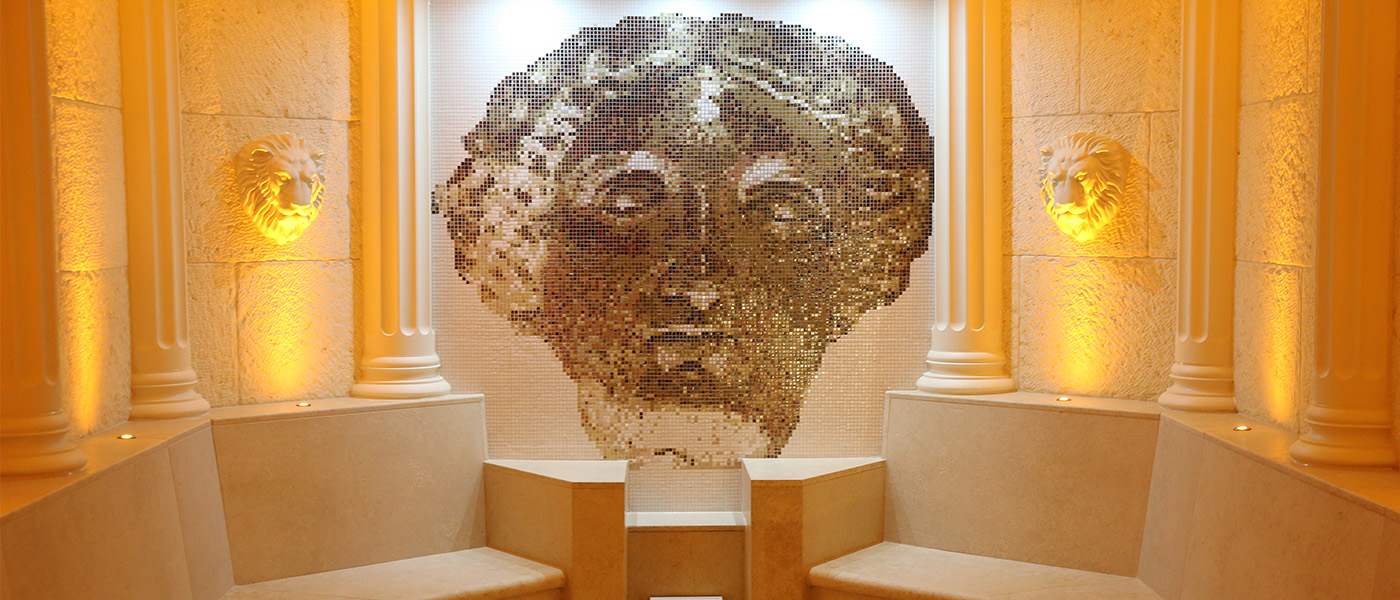
Today, visitors can immerse themselves in mineral-rich waters at Thermae Bath Spa. Unlike the preserved Roman Baths, this facility allows bathing in naturally heated spring water drawn from the same geothermal system.
The rooftop pool offers panoramic views over Bath’s skyline, including the nearby Bath Abbey. Steam riseinto the o open air, blending ancient tradition with modern comfort.
Continuity Across Millennia
Few cities maintain such an unbroken relationship with their defining natural feature. The water that inspired Celtic worship and Roman architecture continues to shape local identity. Exploring the Roman History and Ancient Spas of Bath, England, becomes a sensory journey when you feel the warmth firsthand.
The Broader Landscape and Roman Connectivity
Roman engineers linked Bath to wider Britain through roads and trade networks. Remnants of these routes remain embedded in the countryside. Bath never stood isolated; it functioned as part of a broader imperial system.
Today, surrounding hills frame the city in rolling green countryside. Walking these hills provides perspective on how geography influenced settlement. The spring’s presence determined location, while the landscape provided protection and resources.
Practical Tips for Modern Visitors
Arrive early at the Roman Baths to avoid peak crowds. Book tickets in advance to secure timed entry. Allocate sufficient time to explore museum galleries thoroughly. Combine historical exploration with a relaxing session at Thermae Bath Spa for a balanced itinerary.
Wear comfortable footwear, as Bath’s cobbled streets and gentle slopes encourage extended walking. Visit during shoulder seasons for calmer experiences and softer light that enhances the limestone glow.
Conclusion
Exploring the Roman History and Ancient Spas of Bath, England, offers more than sightseeing. It invites you to trace the flow of water through centuries of belief, engineering, architecture, and wellness culture. From Celtic reverence and Roman ingenuity to Georgian elegance and contemporary spa experiences, Bath stands as a rare example of continuity shaped by nature.
The thermal springs still rise. Stone columns still reflect in green-tinted pools. Visitors still gather in curiosity and awe. In Bath, history does not remain distant. It flows beneath your feet and lingers in the steam.
For travelers seeking depth, heritage, and sensory connection, exploring the Roman History and Ancient Spas of Bath, England,d delivers an experience where ancient ritual and modern relaxation exist in harmonious dialogue.