How to Plan a Successful Ski Trip to Whistler British Columbia for an Unforgettable Winter Adventure
How to Plan a Successful Ski Trip to Whistler British Columbia begins with understanding why this destination attracts winter sports enthusiasts from around the world. Located about two hours north of Vancouver, Whistler combines dramatic alpine scenery, world-class ski terrain, and a vibrant mountain village that stays alive long after the lifts close.
At the heart of the region sits the massive ski area of Whistler Blackcomb. Two towering mountains connect through one of the world’s highest lift systems, offering thousands of acres of skiable terrain. Beginners, intermediate riders, and seasoned experts all find slopes that match their skill level.
Planning a ski holiday requires more than simply booking flights and grabbing skis. Weather patterns, lift passes, accommodation, equipment rental, and mountain logistics all shape the experience. Understanding How to Plan a Successful Ski Trip to Whistler British Columbia allows travelers to avoid common mistakes and maximize time on the slopes.
Understanding the Geography of Whistler

Two Mountains, One Legendary Resort
Whistler Blackcomb consists of two major mountains: Whistler Mountain and Blackcomb Mountain. A gondola known as the PEAK 2 PEAK connects the two peaks, allowing skiers to move between terrain without returning to the base village.
This system dramatically expands available skiing options. You can begin your day carving wide groomed runs on Whistler Mountain and finish the afternoon exploring tree-lined trails on Blackcomb.
Terrain for Every Skill Level
Whistler offers over 8,000 acres of terrain. Beginners start on gentle learning areas near the village. Intermediate skiers find long cruising runs that stretch through alpine bowls and forest corridors. Advanced skiers tackle steep chutes, powder bowls, and glacial terrain.
Understanding the layout represents the first step in How to Plan a Successful Ski Trip to Whistler British Columbia.
Choosing the Best Time to Visit
Peak Winter Season
January and February typically deliver the most consistent snowfall. Powder conditions dominate during these months, attracting experienced skiers who seek deep snow and challenging terrain.
However, high demand also means higher accommodation prices and busier lift lines.
Spring Skiing Advantages
March and April introduce longer daylight hours and warmer temperatures. Snow remains excellent at higher elevations while sunny skies create comfortable skiing conditions.
Many experienced travelers recommend spring as the ideal balance between quality snow and pleasant weather. Timing plays a crucial role in How to Plan a Successful Ski Trip to Whistler British Columbia.
Booking Lift Passes and Tickets
Purchase in Advance
Lift tickets at Whistler can become expensive when purchased on-site. Booking online weeks or months before arrival often reduces cost significantly.
Multi-day passes offer better value than daily tickets. Travelers staying for four or five days benefit from bundled pricing options.
Consider Epic Pass Options
Seasonal passes linked to global ski networks sometimes include Whistler access. Skiers planning multiple resort visits across North America often save money through these programs.
Advance planning for lift access forms a core principle in How to Plan a Successful Ski Trip to Whistler British Columbia.
Accommodation Options in Whistler Village

Staying in Whistler Village
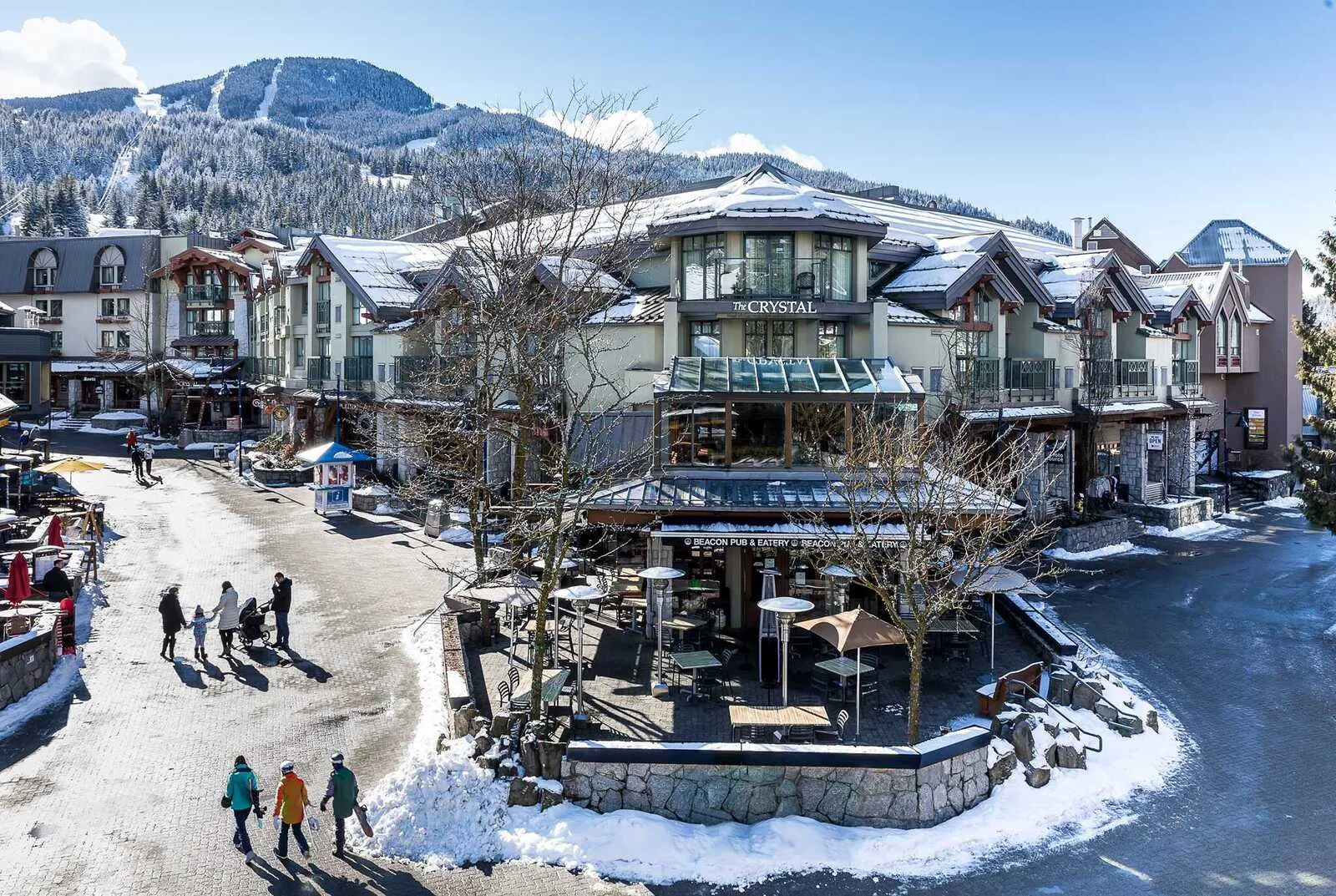
Whistler Village sits directly at the base of the ski lifts. Hotels, lodges, restaurants, and rental shops cluster within walking distance of the gondolas. Staying here offers maximum convenience for early morning lift access.
Evenings bring lively energy as visitors gather in restaurants and pubs to relax after a day on the mountain.
Budget-Friendly Alternatives
Travelers seeking lower accommodation costs sometimes stay in nearby areas such as Creekside Village. These neighborhoods still provide lift access but may offer quieter surroundings and lower nightly rates.
Selecting the right lodging plays an important role in How to Plan a Successful Ski Trip to Whistler British Columbia.
Renting Equipment and Preparing Gear
Renting vs Bringing Equipment
Travelers who ski frequently often bring personal equipment. However, rental shops in Whistler provide high-quality skis and snowboards suited for varying conditions.
Many rental stores allow online reservations, which saves time and ensures proper sizing upon arrival.
Essential Winter Clothing
Layering becomes essential in alpine environments. A waterproof outer jacket, insulated mid-layer, thermal base layer, gloves, goggles, and helmet provide protection from changing weather.
Proper preparation ensures comfort and safety on the slopes.
Beyond Skiing: Other Winter Activities
Snowshoeing and Winter Trails
Whistler offers scenic snowshoe routes through quiet forests and frozen lakes. These trails allow visitors to experience the landscape at a slower pace.
Scenic Gondola Rides
Non-skiers often ride the PEAK 2 PEAK gondola simply to admire panoramic mountain views. The journey itself ranks among the most breathtaking gondola rides in the world.
Dining and Après-Ski Culture
Evenings in Whistler Village revolve around après-ski traditions. Skiers gather around fireplaces, share local craft beer, and relive the day’s best runs.
These experiences add depth to How to Plan a Successful Ski Trip to Whistler British Columbia.
Transportation from Vancouver
Most international travelers arrive through Vancouver International Airport. From there, the scenic Sea-to-Sky Highway leads directly to Whistler.
Shuttle buses provide convenient transfers from the airport to Whistler Village. Rental cars offer greater flexibility but require confidence driving winter mountain roads.
Practical Tips for First-Time Visitors
Arrive early for morning lifts when snow conditions remain fresh. Study trail maps before heading onto unfamiliar terrain. Take breaks throughout the day to avoid fatigue at high elevations.
Hydration and nutrition matter in cold environments. Carry water and snacks to maintain energy levels during long ski sessions.
These habits reinforce the strategy behind How to Plan a Successful Ski Trip to Whistler British Columbia.
Conclusion
How to Plan a Successful Ski Trip to Whistler British Columbia ultimately comes down to thoughtful preparation combined with openness to adventure. From selecting the right season and booking lift passes early to choosing comfortable lodging and exploring diverse mountain terrain, each decision shapes the overall experience.
Whistler rewards those who plan carefully. Snow-covered peaks, endless ski runs, and lively village culture create memories that last far beyond the winter season.
For travelers seeking a world-class alpine escape, mastering How to Plan a Successful Ski Trip to Whistler British Columbia transforms a simple vacation into an unforgettable mountain journey.