Uluru Desert Camping Experience A Night Beneath the Stars in the Heart of Australia’s Red Centre
The Uluru Desert Camping Experience begins the moment the red earth stretches endlessly toward the horizon and the vast sky of Australia’s interior unfolds above you. In the remote center of the continent, the desert landscape carries a quiet power. Wind sweeps gently across ancient rock formations, the scent of dry grass drifts through the air, and sunlight paints the terrain in shades of deep orange and crimson.
Travelers who visit Australia often place Uluru high on their bucket lists. Many arrive for sunrise photographs or short walks around the base of the famous monolith. Yet those brief visits barely capture the spirit of the desert. To truly understand the region, visitors need time—especially time at night.
Camping in the desert allows you to experience the Red Centre in a deeper way. As the sun sets and darkness settles across the landscape, the sky transforms into one of the clearest star fields on Earth. The Uluru Desert Camping Experience reveals a side of Australia that few urban environments can replicate: silence, vastness, and a sense of timeless connection with the land.
Discovering the Landscape of Uluru-Kata Tjuta National Park
The Iconic Red Monolith
At the heart of the region stands Uluru, a massive sandstone formation rising dramatically from the surrounding desert plain. Uluru reaches approximately 348 meters in height, but most of the rock extends underground.
Throughout the day, sunlight shifts the rock’s color from deep purple before dawn to glowing orange at sunset. This natural transformation creates one of the most photographed landscapes in Australia.
A Sacred Cultural Landscape
Uluru holds profound spiritual significance for the local Anangu people, the traditional custodians of the land. Their stories, laws, and cultural traditions remain deeply connected to the rock and surrounding desert.
Visitors participating in the Uluru Desert Camping Experience often learn about these traditions through guided walks, storytelling sessions, and cultural interpretation programs offered within the park.
Why Camping Reveals the True Spirit of the Desert
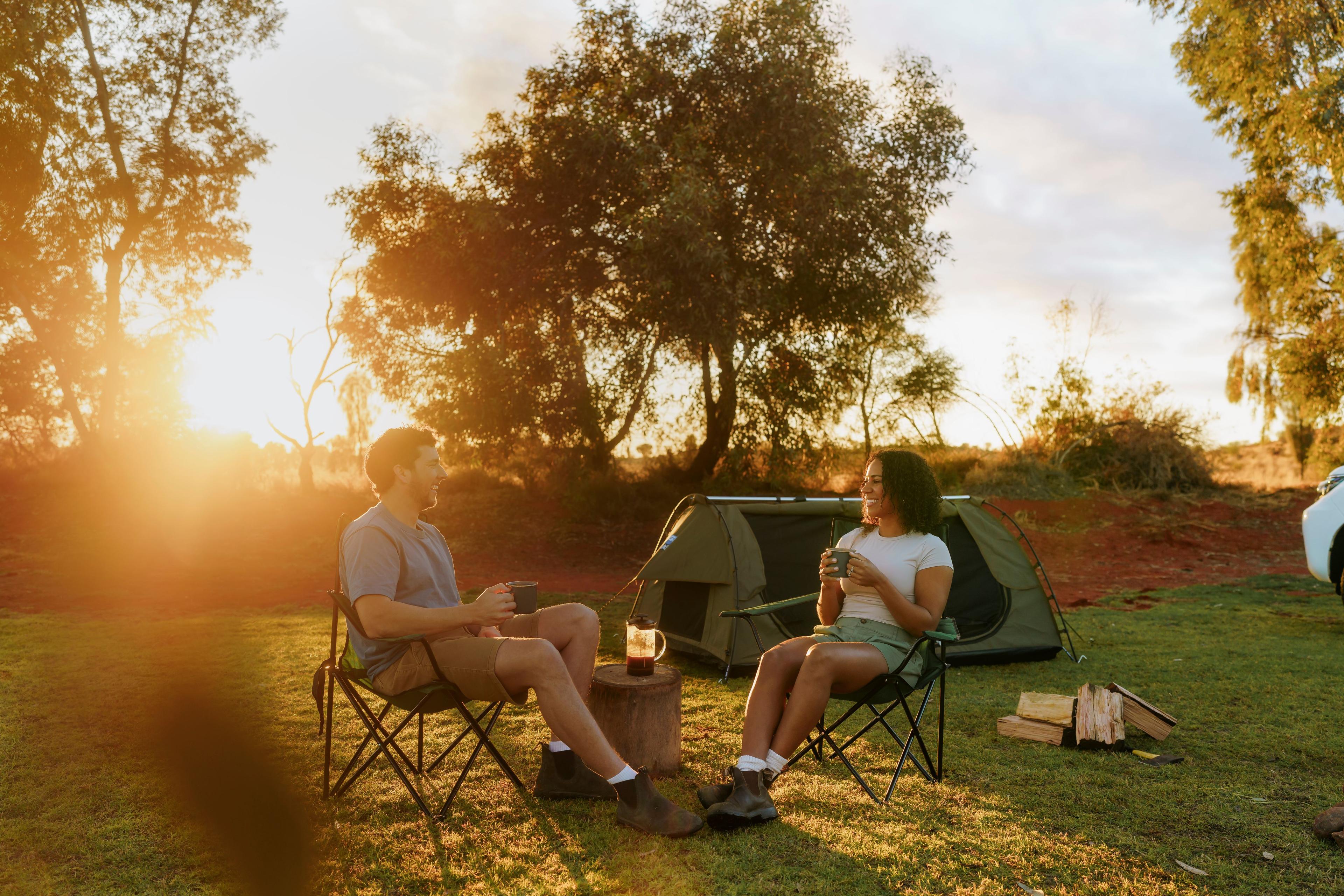
Experiencing the Desert After Dark
Many visitors leave Uluru after sunset. Campers remain. When darkness settles across the desert, the environment becomes almost completely silent. Without city lights nearby, the sky reveals an extraordinary number of stars.
The Milky Way stretches clearly across the horizon, forming a luminous arc that dominates the night sky. This moment often becomes the highlight of the Uluru Desert Camping Experience.
A Connection With Nature
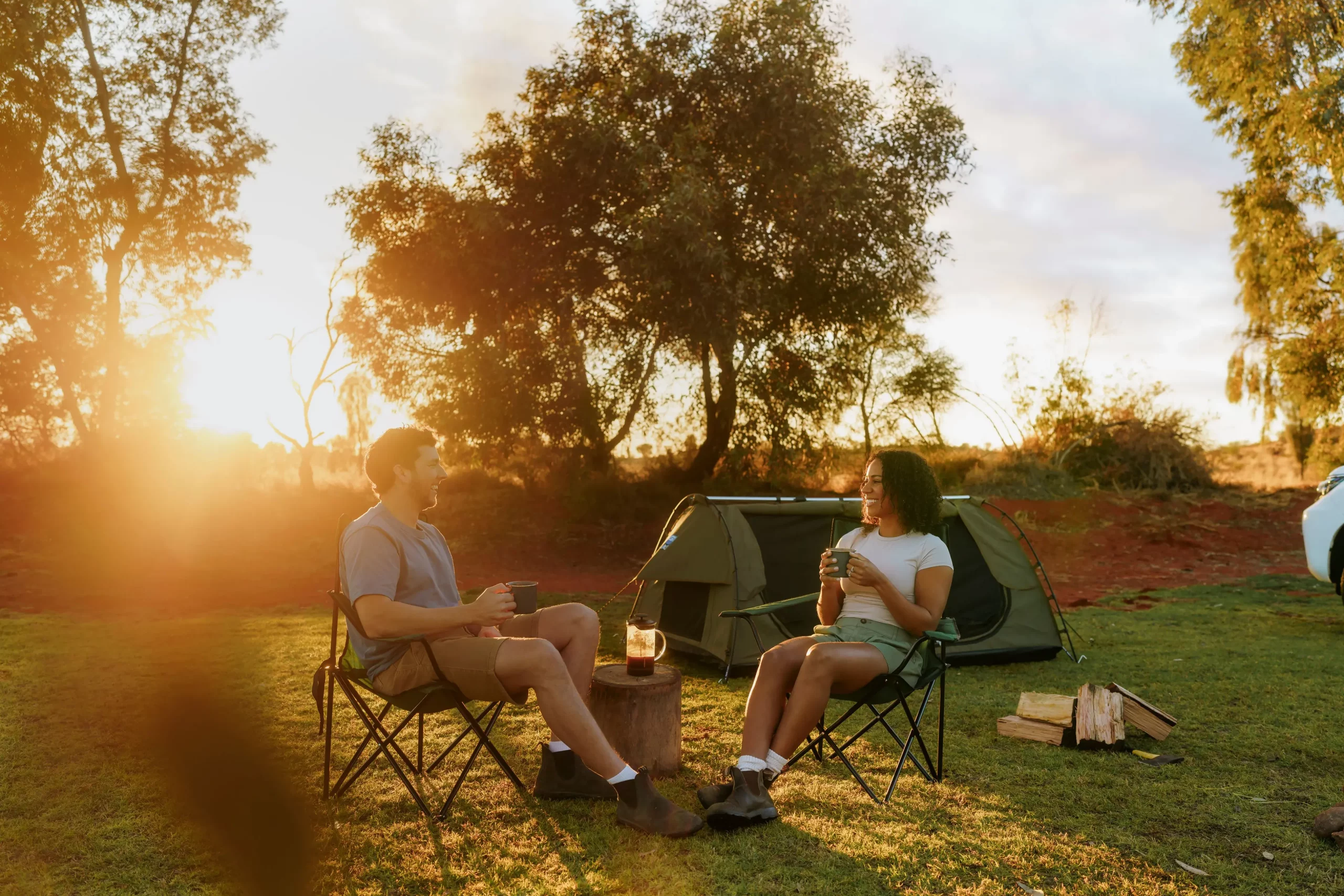
Camping removes the distractions of modern life. Instead of traffic noise or city lights, you hear wind, distant wildlife, and the crackle of a small campfire. Travelers frequently describe the desert night as peaceful and humbling.
Choosing the Best Campgrounds
Ayers Rock Campground
One of the most popular camping locations near Uluru is Ayers Rock Campground. Located close to the main visitor facilities, it offers tent sites, campervan spaces, and basic amenities such as kitchens and showers.
This campground allows travelers to enjoy desert camping while maintaining convenient access to park attractions.
Remote Camping Options
Some guided tours offer remote camping experiences deeper within the desert. These tours often include swags—traditional Australian sleeping rolls placed directly on the ground beneath the open sky.
Sleeping in a swag allows travelers to gaze directly at the stars without tent walls blocking the view, enhancing the magic of the Uluru Desert Camping Experience.
Watching the Desert Change at Sunrise and Sunset

Sunrise Over the Red Centre
Early morning brings a cool breeze and gentle light across the desert. As the sun rises, Uluru slowly changes color, transitioning from dark shadow to bright orange.
Many campers wake before dawn to witness this transformation. The quiet atmosphere adds emotional depth to the moment.
Sunset’s Dramatic Finale
Sunset creates equally dramatic scenes. As the sun lowers, the rock glows intensely before fading into twilight. Photographers gather at designated viewing areas to capture the final light.
Experiencing both sunrise and sunset remains one of the defining elements of the Uluru Desert Camping Experience.
Stargazing in the Outback
The Australian outback offers some of the darkest skies in the world. Astronomers and photographers often travel here specifically to observe the stars.
During a clear night, constellations appear incredibly vivid. Planets shine brightly, and the Milky Way becomes easily visible to the naked eye.
Guided astronomy tours sometimes accompany desert camping trips, helping travelers identify stars, planets, and southern hemisphere constellations.
Stargazing alone can transform the Uluru Desert Camping Experience into a deeply memorable event.
Wildlife and Desert Ecology
Although the desert may appear empty at first glance, it supports a surprising range of wildlife. Small marsupials, reptiles, and birds adapt to the harsh climate.
During evening hours, kangaroos and wallabies sometimes move quietly across the landscape. Birds call out in the distance, and insects begin their nightly activity.
Learning about desert ecology adds another dimension to the Uluru Desert Camping Experience.
Preparing for Desert Conditions
Temperature Changes
Desert climates often produce dramatic temperature swings. Daytime heat can exceed 35°C in summer, while nights may feel surprisingly cool.
Travelers should pack lightweight clothing for daytime exploration and warmer layers for nighttime camping.
Water and Sun Protection
Hydration remains essential in the dry outback climate. Carry sufficient water and wear sun protection such as hats and sunscreen during daytime activities.
Preparation ensures comfort and safety throughout the Uluru Desert Camping Experience.
Cultural Respect and Responsible Travel
Visitors should respect local cultural guidelines when visiting Uluru. Climbing the rock is no longer permitted due to its cultural significance. Walking trails around the base provide alternative ways to appreciate the landscape while honoring indigenous traditions.
Responsible travel also involves protecting the fragile desert environment by following park rules and minimizing environmental impact.
Conclusion
The Uluru Desert Camping Experience offers far more than a night outdoors. It invites travelers to slow down and absorb the atmosphere of Australia’s Red Centre. From watching sunrise illuminate the ancient rock to lying beneath a sky filled with stars, every moment reveals the profound beauty of the desert.
Camping allows visitors to experience Uluru in its most natural state—quiet, vast, and timeless. The combination of cultural heritage, dramatic landscapes, and unforgettable night skies creates an adventure unlike any other.
For those seeking a deeper connection with Australia’s wilderness, the Uluru Desert Camping Experience provides an unforgettable journey into one of the most extraordinary environments on Earth.