Image Classification Teaching Machines to Decode the Visual World
Does a computer actually “see” a cat, or does it just get lucky with a bunch of math? If you’ve ever wondered how your phone magically groups photos of your last vacation or how a self-driving car distinguishes a pedestrian from a lamp post, you’ve encountered the power of image classification. It is the heartbeat of computer vision, and honestly, it’s a lot less like “magic” and a lot more like a very intense, high-speed game of “Spot the Difference.”
At its core, image classification is the process where an algorithm assigns a label to an entire image based on its visual content. But in 2026, we’ve moved past simple “dog vs. cat” sorting. We are now in an era where machines are beginning to understand nuance, texture, and context.
Beyond Pixels: How Image Classification Really Works
To understand image classification, you have to stop thinking like a human and start thinking like a grid. To us, a picture of a sunset is an emotional experience. To a machine, it’s a massive matrix of numbers representing color intensities.
The Architecture of Sight
The heavy lifting is usually done by Convolutional Neural Networks (CNNs). Think of a CNN as a series of filters. The first layers look for simple things: edges, lines, and curves. As the data moves deeper, the “filters” get more complex, identifying shapes, then textures, and finally entire objects.
By the time the data reaches the final layer, the machine isn’t just looking at pixels; it’s looking at a hierarchy of features. It calculates the probability—say, 98% chance of “Mountain” and 2% chance of “Cloud”—and delivers the final verdict.
The Role of Training Data
An algorithm is only as smart as its library. This is where supervised learning comes in. Thousands of labeled images are fed into the system, allowing it to adjust its internal weights. If it incorrectly labels a bicycle as a motorcycle, the system undergoes “backpropagation,” essentially a mathematical “oops, let’s try again,” until the error rate drops.
Reality Check: Why “Accuracy” is Often a Lie
One of the biggest misconceptions in the tech world is that a 99% accuracy rate means a model is perfect. In reality, accuracy can be a vanity metric.
If you build a model to detect a rare disease in medical scans where only 1% of the population has the disease, the model could simply guess “Healthy” every single time and still be 99% accurate. This is the Accuracy Paradox. In the world of image classification, precision and recall—how many relevant results are caught and how many “false alarms” are triggered—matter far more than a single percentage point on a pitch deck.
The Invisible Impact: Real-World Applications
We often talk about AI in the future tense, but image classification is already running the world behind the scenes.
Medical Diagnostics and Healthcare
Radiologists are now using classification algorithms to flag anomalies in X-rays and MRIs. These systems act as a second pair of eyes that never get tired, spotting early-stage tumors that might be missed during a long shift. It’s not replacing doctors; it’s giving them a superpower.
E-commerce and Visual Search
Ever taken a photo of a shoe you liked and found it instantly on an app? That’s visual search driven by classification. The AI identifies the style, material, and brand markers to match your photo with a product database in milliseconds.
Security and Autonomous Systems
From facial recognition in smartphones to obstacle detection in drones, image classification is the safety net. A drone needs to know if that brown blur is a tree branch or a bird to make a split-second navigation choice.
The Hard Truth: Challenges That Keep Developers Awake
Despite the progress, image classification isn’t invincible. It has some very human-like blind spots.
-
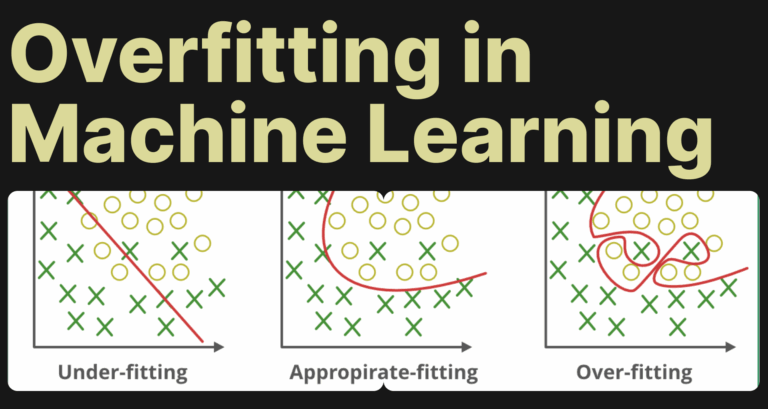
Overfitting: This happens when a model learns the training data too well. It memorizes the specific images rather than learning general concepts. It’s like a student who memorizes the answers to a practice test but fails the actual exam because the questions were phrased differently.
-
Data Bias: If you train a “Professional Attire” classifier using only photos of people in suits, the AI might fail to recognize professional clothing from different cultures. The AI isn’t biased by nature; it’s biased by the limitations of its creators.
-
Adversarial Attacks: Surprisingly, adding a tiny amount of “noise” or specific pixels to an image—invisible to humans—can completely trick a classifier. A “Stop” sign can be misclassified as a “Speed Limit” sign with just a few strategically placed stickers.
The Future: Contextual Intelligence
Where do we go from here? The next frontier isn’t just identifying what is in an image, but what it is doing. We are moving toward Image Understanding.
Instead of just labeling a “Man” and a “Hammer,” future systems will understand the context of “Construction” or “Art Gallery.” We are teaching machines to understand the story within the frame, not just the objects.
Practical Action: How to Start Implementing Classification
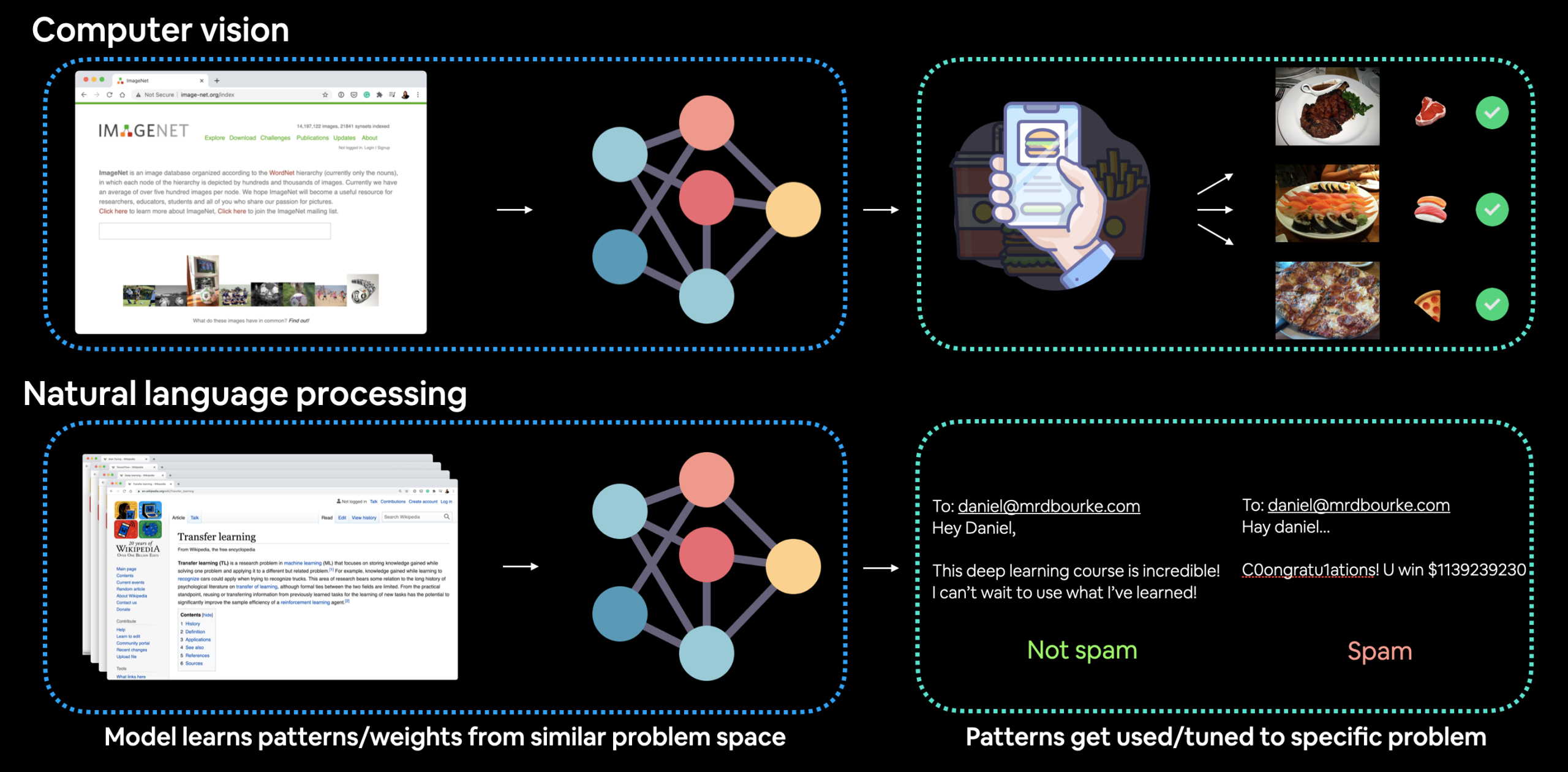
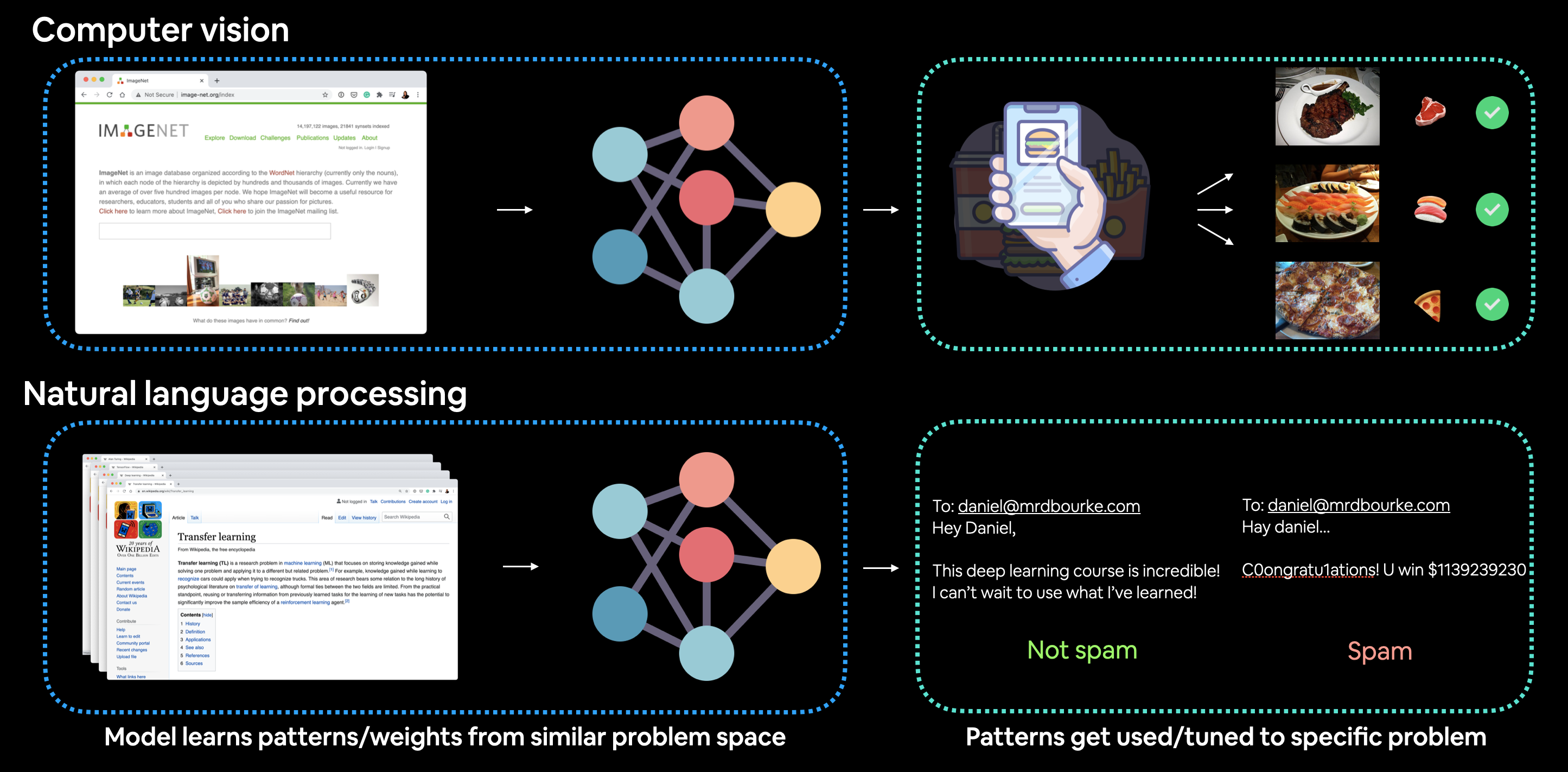
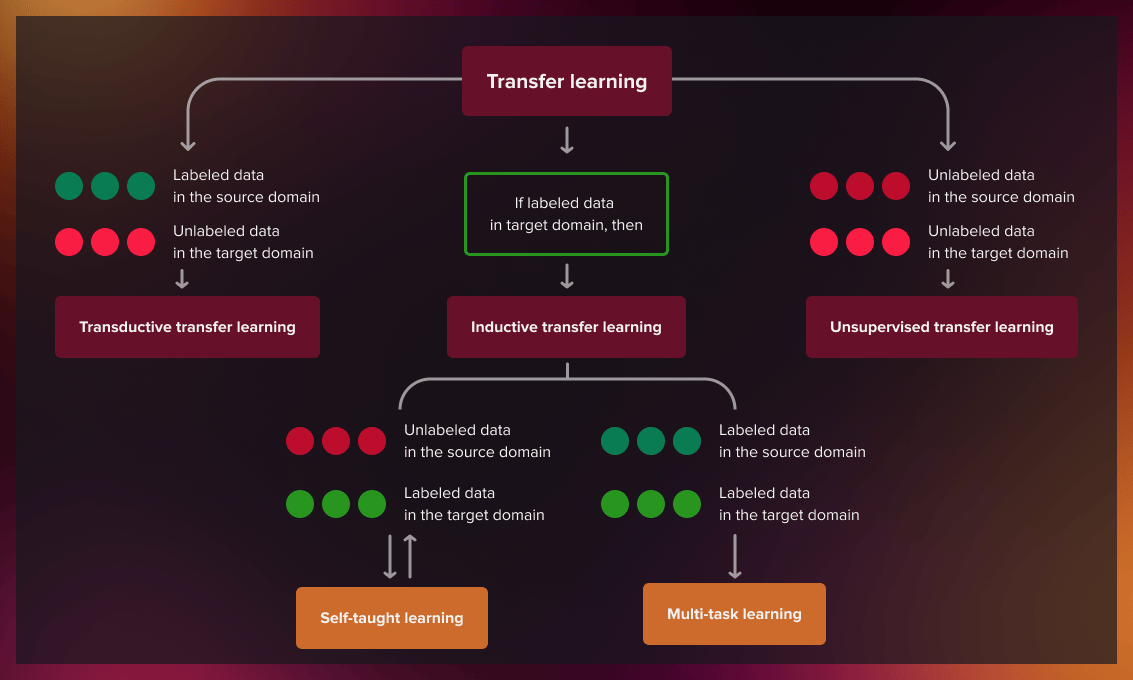
If you’re looking to dive into this field, don’t start from scratch. The “secret” of modern AI is Transfer Learning.
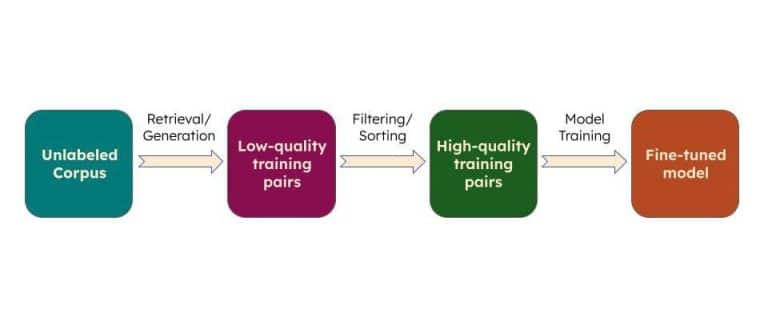
Instead of training a model for months, you can take a pre-trained giant (like ResNet or Inception) that already knows how to see basic shapes and “fine-tune” it for your specific needs. It’s the difference between teaching a baby to see from birth versus giving glasses to an expert.