Understanding What Edge Machine Learning Actually Is
Let’s be honest. The phrase edge machine learning kind of sounds like a tech startup trying too hard to be cool. Like, calm down, bro, not everything needs the word “edge” in it. But despite the edgy name, this concept is actually one of the most practical evolutions in AI today.
Think about this: your devices, whether it’s your smartwatch, security camera, fridge, or that mysterious smart toothbrush that keeps judging your brushing technique, are constantly collecting data. Traditionally, all that data had to travel to the cloud to be processed. And that means delay. Lag. The dreaded loading circle.
Edge machine learning flips the script. Instead of sending your data on a long-distance journey to the cloud, it processes the information right there on the device. No waiting, no traveling, no baggage fees.
This means faster responses, better privacy, and fewer headaches when your internet decides to cosplay as a potato.
How It Differs from Regular Cloud AI
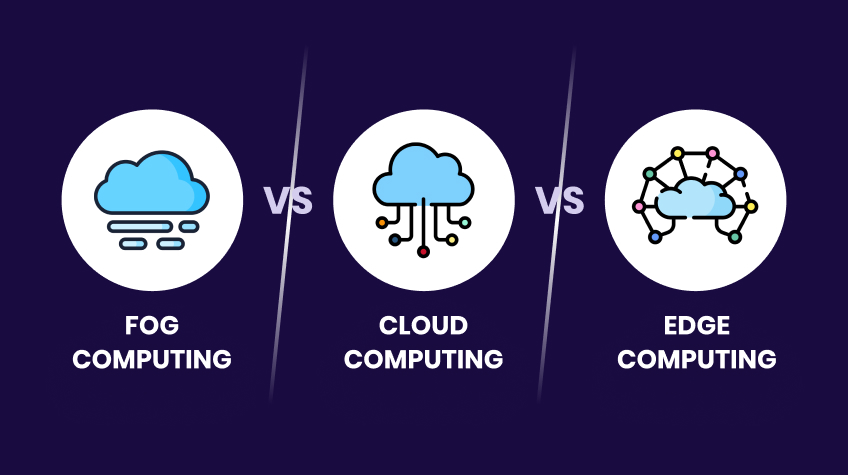
Let’s paint a picture. Cloud AI is like calling a friend every time you need advice:
Should you buy these shoes? Should you eat another cookie? Should you text your ex?
It works, but it’s slow, and your friend is tired.
Edge ML is like having that friend sitting next to you. Instant answers. Minimal drama.
In cloud-based AI, data travels to giant servers, massive computers that make decisions and send the results back. That’s the OG method. Reliable, but not always ideal for quick reactions.
Edge ML keeps everything close. Instead of using someone else’s massive brain across the ocean, your tiny device becomes smarter and processes decisions locally. It’s the equivalent of teaching your cat to handle your emails. Efficient? Maybe. Cute? Definitely.
Because processing stays near the source, you get faster response times, reduced bandwidth usage, and fewer privacy concerns. No more sending your entire home security camera footage across the internet just to detect whether it was a cat or your neighbor’s runaway chicken.
Why Edge ML Matters in Real Life
Everyday Use Cases That Are Already Around You
You may not realize it, but edge ML is already everywhere. It’s like that one introvert at the party who quietly fixes everyone’s problems without bragging.
Here are some real-life applications you bump into daily:
Smart cameras
They don’t send every pixel to the cloud. Instead, they detect motion, faces, pets, or that one ghost you swear you saw last night, directly on-device.
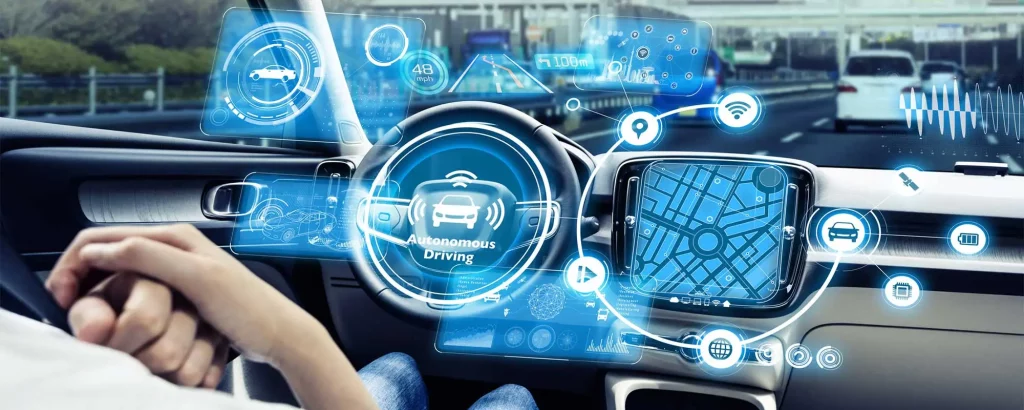
Self-driving cars
Cars can’t wait 0.5 seconds for the cloud to say “Brake!” That delay is the difference between stopping safely and becoming a viral TikTok accident compilation. Edge ML ensures instant decisions.
Smartphones
Face unlock, voice assistants, and language translation happen on-device now. Meaning your phone doesn’t need to call the cloud to confirm it’s really you in the morning.
Medical devices
Imagine a wearable that tracks your heartbeat and gives real-time alerts without needing WiFi. Perfect for those moments when your internet disappears because someone decided to microwave popcorn.
Why Businesses Love It
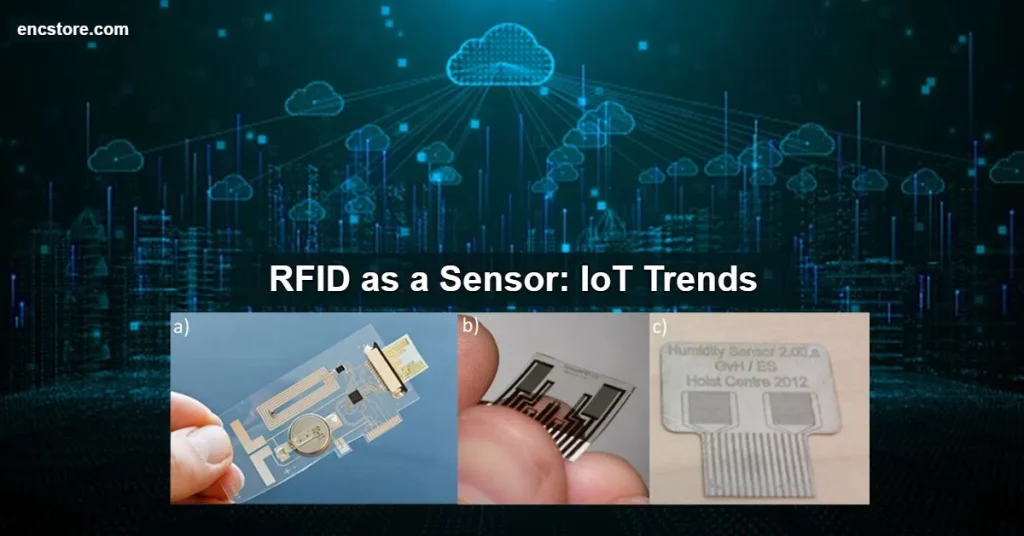
Companies adore edge ML because it’s cheaper, faster, and often more secure. When you process data on the edge:
You save cloud costs.
Bandwidth goes down.
User trust skyrockets.
Products feel faster (which users love).
And this is the big one, it scales. You can deploy thousands of tiny smart devices in factories, farms, shops, a even cargo ships.
Below is an example of estimated cost savings:
| Deployment Type | Traditional Cloud Cost | Edge ML Cost | Estimated Savings |
|---|---|---|---|
| Smart Cameras (100 units) | $2,000/month | $450/month | 78% |
| Manufacturing Sensors | $8,000/month | $1,600/month | 80% |
| Retail Foot Traffic Systems | $1,500/month | $380/month | 75% |
Not bad for making devices think on their own.
How Edge Machine Learning Works Behind the Scenes
The Tiny Hardware Brains Doing All the Magic
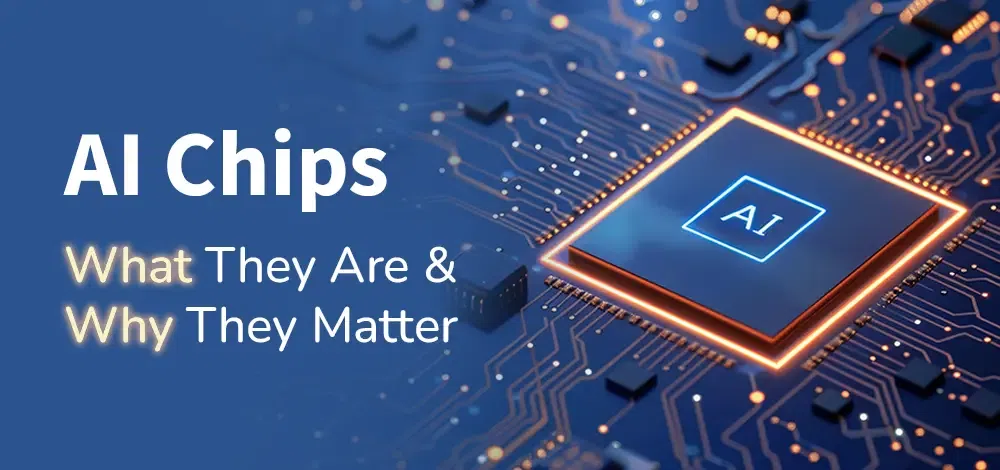
To make edge ML work, we need specialized hardware. Traditional device processors aren’t built for deep learning workloads; asking them to run AI models is like asking your grandpa’s 1998 Nokia phone to play Cyberpunk.
Modern edge devices use components like:
Neural compute units (NCUs)
Edge TPUs
Low-power GPUs
Microcontrollers with ML support
These chips run AI models efficiently without turning your device into a frying pan.
The Software Side Tiny Models for Tiny Machines
Because edge devices aren’t as powerful as cloud servers, the AI models need to go on a strict diet. They’re compressed through techniques like:
Quantization
Pruning
Knowledge distillation
Think of it like trimming a massive 1000-page textbook into a cheat sheet without losing the important facts. The model gets smaller, lighter, and faster, but still smart enough to do its job.
Challenges and Limitations of Edge Machine Learning
The Struggles No One Talks About
Of course, nothing is perfect. Even edge ML has drama. And trust me, it’s the kind of drama that developers feel deep in their souls.
The biggest challenges include:
Device limitations
Not all hardware is strong enough to run ML models. Some devices struggle like a snail carrying a backpack.
Model size
You can’t run a huge GPT-size model on your smartwatch unless you’re okay with it exploding.
Security risks
Although Edge improves privacy, you still need to secure every device individually.
Power consumption
Edge devices need to be efficient, or they’ll drain batteries faster than your ex drains your energy.
Costs and Scalability
Deploying edge ML can be cheaper in the long run, but initial setup can hit your wallet like a Monday morning.
Example cost breakdown:
| Component | Estimated Cost Range |
|---|---|
| Edge-capable microchip | $3–$50 |
| Development tools | $0–$500 |
| Model optimization labor | $300–$3,000 |
| Deployment & maintenance | $100–$5,000/month |
Still, once everything runs smoothly, the ongoing cost is much lower than 100% cloud AI.
Conclusion: The Real Future of Edge Machine Learning
Edge machine learning isn’t just a tech trend. It’s a necessary shift toward faster, safer, more efficient AI. As our devices evolve, they need brains that can think locally without relying on the cloud for everything.
Whether we’re talking about autonomous cars, smart factories, healthcare wearables, drones, home devices, or your refrigerator deciding whether you’re eating too much cheese, edge ML is shaping how we experience technology.
The future? It’s a world where every small device becomes a tiny genius. And honestly, that’s pretty exciting. Edge machine learning will continue to influence how industries operate, how homes react, how businesses save money, and how we build smarter products that feel more responsive and human.
If you ever doubted that machines could truly think on the spo,t edge ML is the proof. It’s fast, efficient, private, and built for the increasingly connected (and impatient) world we live in.