Exploring the Māori Culture and Geothermal Wonders of Rotorua Through Living Traditions and Earth’s Natural Power
Exploring the Māori Culture and Geothermal Wonders of Rotorua offers travelers a rare opportunity to witness two powerful forces shaping a destination at the same time: culture and geology. Rotorua, located in the central region of New Zealand’s North Island, stands on land that constantly reminds visitors that the Earth beneath their feet remains alive. Steam rises from cracks in the ground, geysers erupt into the air, and bubbling mud pools release a deep, rhythmic energy.
Yet Rotorua’s identity does not come only from volcanic activity. For centuries, Māori communities have lived here, building traditions, stories, and spiritual beliefs closely connected to the geothermal landscape. The land itself forms part of their cultural identity.
Understanding Exploring the Māori Culture and Geothermal Wonders of Rotorua requires approaching the region with curiosity and respect. Visitors encounter powerful natural forces, but they also encounter living traditions that continue to guide daily life in this remarkable place.
The Cultural Heart of Rotorua: Māori Heritage

Indigenous Roots of the Region
Rotorua sits within the ancestral lands of the Te Arawa people, one of the prominent Māori iwi (tribes) in New Zealand. Their presence in the region stretches back hundreds of years. Oral histories describe the arrival of ancestral canoes and the establishment of communities around Rotorua’s lakes and geothermal valleys.
Cultural practices continue to thrive here. Visitors often encounter traditional welcoming ceremonies, storytelling performances, and demonstrations of carving and weaving. These experiences reflect a living culture rather than a museum display.
The Role of the Marae
Central to Māori community life stands the marae, a traditional meeting ground that includes a carved meeting house. The marae serves as a place for gatherings, ceremonies, and discussions that guide the community’s future.
Exploring the Māori Culture and Geothermal Wonders of Rotorua becomes far more meaningful when travelers understand that cultural identity remains deeply connected to land and ancestry.
The Living Village of Whakarewarewa Living Māori Village

Daily Life in a Geothermal Landscape
Whakarewarewa offers one of the most authentic cultural experiences in Rotorua. Families from the Tūhourangi Ngāti Wāhiao people continue to live within this geothermal environment. Steam vents rise between houses, and natural hot pools appear throughout the landscape.
Residents use geothermal heat for cooking, bathing, and heating. Food such as corn and vegetables cooks slowly in natural steam vents, demonstrating a practical relationship between people and environment.
Cultural Performances and Storytelling
Guided tours introduce visitors to local history, myths, and traditions. Cultural performances often include the haka, a powerful ceremonial dance that expresses strength and unity.
Through experiences like these, travelers deepen their understanding while Exploring the Māori Culture and Geothermal Wonders of Rotorua.
The Power of Earth at Te Puia

Pohutu Geyser: Rotorua’s Natural Icon
Te Puia hosts one of the region’s most famous geothermal features: the Pohutu Geyser. This powerful natural fountain erupts regularly, sending water up to thirty meters into the air. The eruption demonstrates the immense energy beneath Rotorua’s volcanic terrain.
Visitors gather along viewing platforms as steam bursts upward, accompanied by the scent of minerals rising from underground.
Bubbling Mud and Steaming Pools
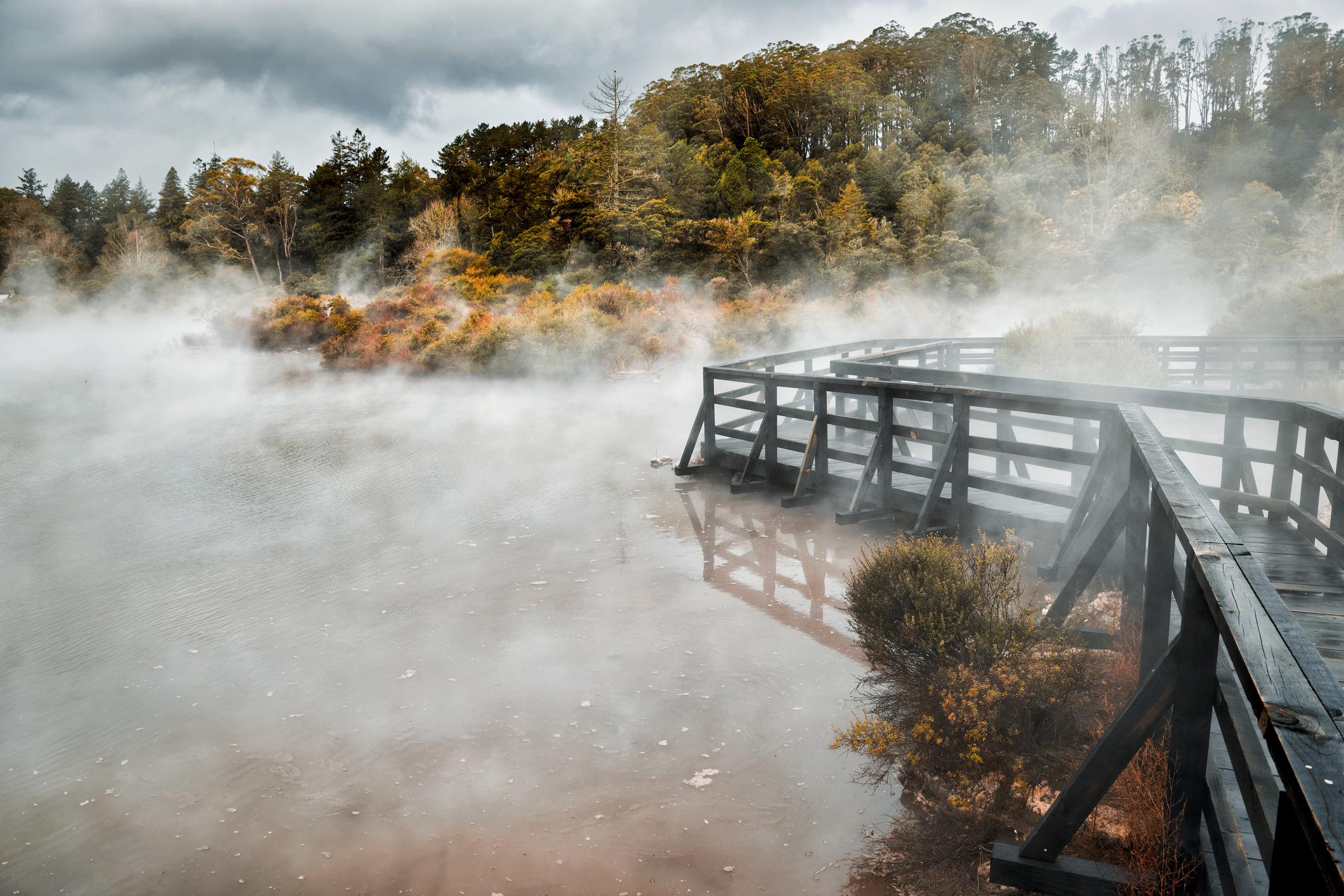
Throughout the geothermal valley, thick gray mud bubbles slowly like boiling soup. Hot mineral pools shimmer with vivid colors created by chemical reactions between water and rock.
Experiencing these landscapes reveals why Exploring the Māori Culture and Geothermal Wonders of Rotorua feels like observing the Earth’s internal engine at work.
Rotorua’s Geothermal Science

Volcanic Activity Beneath the Surface
Rotorua lies within the Taupō Volcanic Zone, one of the most active geothermal regions in the world. Underground magma heats groundwater, creating steam pressure that escapes through geysers, vents, and hot pools.
When pressure builds beneath the surface, it forces water upward through narrow openings, producing geyser eruptions.
Natural Energy and Sustainability
Geothermal energy also contributes to modern infrastructure. Some facilities harness underground heat to generate electricity and provide heating systems.
Learning about this science enriches the journey while Exploring the Māori Culture and Geothermal Wonders of Rotorua, connecting ancient traditions with modern understanding.
Māori Cuisine and the Hāngi Tradition
Cooking with the Earth
One of the most memorable cultural experiences in Rotorua involves the hāngi, a traditional cooking method. Communities prepare meat, vegetables, and root crops in baskets placed over heated stones buried underground.
The food cooks slowly through steam and earth heat, creating rich flavors and tender textures.
Shared Meals and Community
Hāngi meals often accompany cultural evenings featuring storytelling, dance, and music. These gatherings strengthen community bonds while welcoming visitors into Māori hospitality.
Such experiences add cultural depth to Exploring the Māori Culture and Geothermal Wonders of Rotorua.
Rotorua’s Lakes and Natural Surroundings
Beyond geothermal valleys, Rotorua features beautiful lakes that reflect forested hills and volcanic landscapes. Lake Rotorua remains the largest and most iconic of these bodies of water.
Outdoor activities such as kayaking, cycling, and forest hiking offer balance after geothermal exploration. These landscapes remind visitors that Rotorua’s beauty extends beyond its steaming earth.
Respecting Culture and Environment
Travelers should approach Māori cultural sites with respect and openness. Listening to guides, learning pronunciation of Māori place names, and understanding cultural protocols enhance the experience.
Similarly, geothermal areas require caution. Paths and viewing platforms protect both visitors and fragile environments.
Responsible tourism strengthens the relationship between visitors and local communities while Exploring the Māori Culture and Geothermal Wonders of Rotorua.
Conclusion
Exploring the Māori Culture and Geothermal Wonders of Rotorua reveals a destination where natural forces and cultural traditions intertwine. Steam rising from the ground reminds visitors of the Earth’s immense energy, while Māori heritage provides stories and wisdom shaped by centuries of connection to the land.
From the living village of Whakarewarewa to the dramatic eruptions at Te Puia, from traditional hāngi feasts to peaceful lakeside landscapes, Rotorua offers experiences that engage every sense.
Travelers who embrace Exploring the Māori Culture and Geothermal Wonders of Rotorua discover far more than tourist attractions. They discover a living relationship between people and place—one shaped by respect for both culture and nature.