
How to Prepare for the Milford Sound Great Walk Experience in New Zealand’s Dramatic Fiordland Wilderness
How to Prepare for the Milford Sound Great Walk Experience begins long before your boots touch the trail. Travelers often imagine the final destination first: mist drifting across towering cliffs, waterfalls cascading from granite walls, and a quiet fjord reflecting dramatic mountains. Yet the true magic unfolds along the journey that leads there.
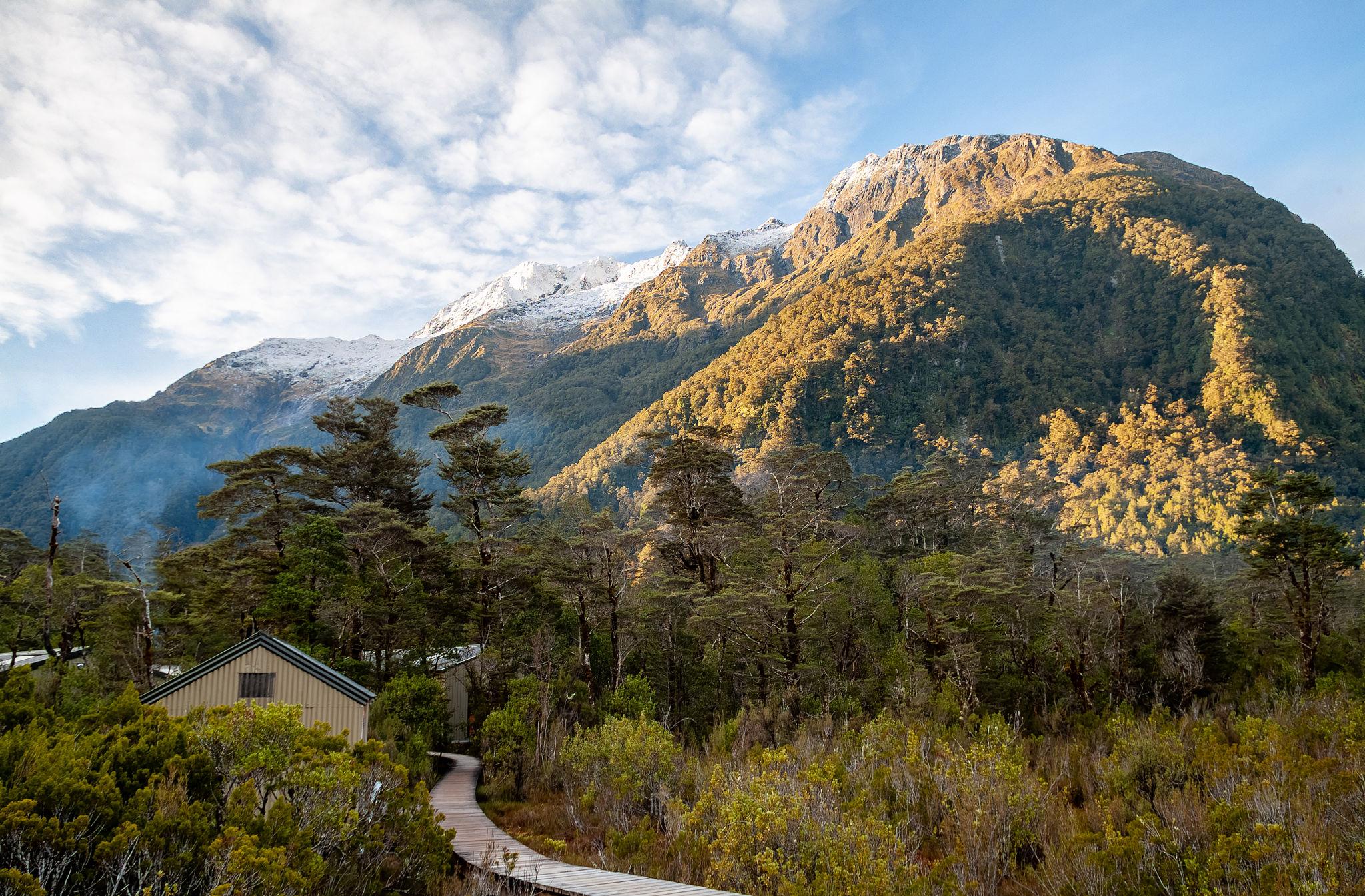
Milford Sound sits within the breathtaking wilderness of Fiordland National Park, one of the most spectacular natural landscapes in the Southern Hemisphere. Reaching it through the famous Milford Track requires preparation, patience, and respect for the environment. This trail forms part of New Zealand’s celebrated Great Walk network, a series of routes that showcase the country’s most remarkable landscapes.
Preparing for such an adventure involves more than packing a backpack. Hikers must understand terrain, weather patterns, equipment needs, and personal endurance. When you approach the journey thoughtfully, the experience transforms from a simple hike into a deeply immersive wilderness expedition.
Understanding how to prepare for the Milford Sound Great Walk experience ensures that every moment on the trail feels purposeful, safe, and unforgettable.
Understanding the Milford Track Journey
The Route and Its Legendary Status
The Milford Track stretches roughly 53 kilometers (33 miles) through dense rainforest, glacier-carved valleys, and alpine passes. Hikers usually complete the journey over four days, moving between backcountry huts and designated campsites.
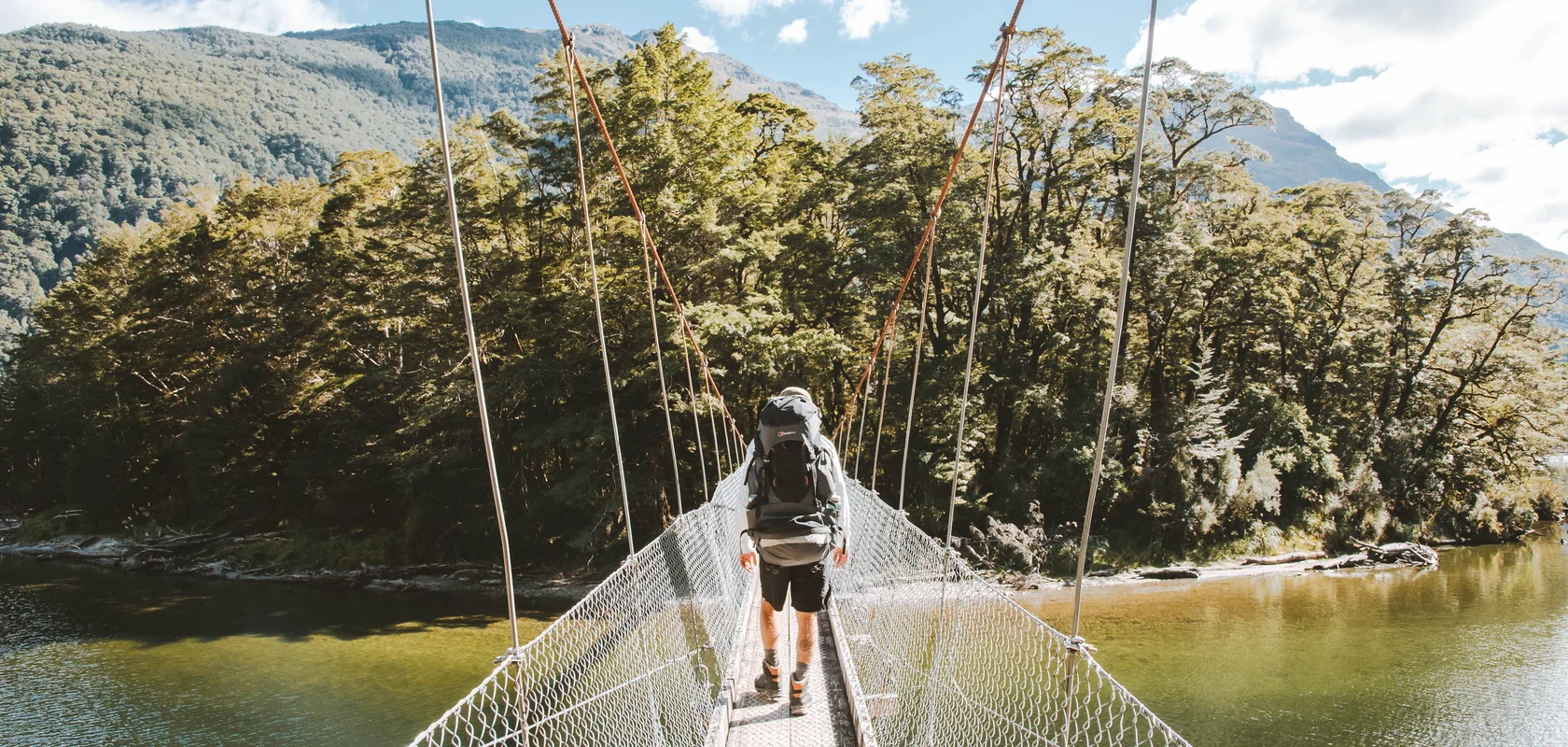
The route begins near Lake Te Anau and concludes near the famous fjord known as Milford Sound. During the journey, hikers encounter swinging suspension bridges, roaring rivers, and towering peaks that create one of the most iconic trekking experiences in the world.
The trail gained international attention in the late nineteenth century when early explorers described it as “the finest walk in the world.” Today, thousands of hikers travel across the globe each year to discover why.
Understanding the trail itself forms the first step in learning hw to prepare for the Milford Sound Great Walk experience.
Terrain and Daily Distances
The track divides naturally into four stages. Early sections pass through lush rainforest and valley floors. Later segments climb toward Mackinnon Pass, the highest point of the route. Weather conditions and elevation changes demand steady pacing.
Most hikers walk between 10 and 16 kilometers per day. While the distances appear manageable, terrain and weather conditions require endurance and preparation.
Choosing the Best Time to Walk

The Official Great Walk Season
New Zealand designates an official walking season from late October through April. During these months, the Department of Conservation maintains huts, bridges, and safety infrastructure. Rangers remain present along the track to provide guidance.
Summer offers longer daylight hours and relatively stable weather. Temperatures remain comfortable for hiking, though rain still appears frequently.
Understanding Fiordland Weather
Fiordland ranks among the wettest regions on Earth. Rainstorms can transform gentle streams into powerful waterfalls within hours. Instead of avoiding rain entirely, hikers should prepare for it mentally and physically.
Ironically, rainfall enhances the scenery. After storms, hundreds of temporary waterfalls cascade down cliffs. Experiencing these moments often becomes a highlight of the journey.
Timing your trip carefully helps you understand how to prepare for the Milford Sound Great Walk experience effectively.
Essential Gear for the Trail

Clothing for Variable Conditions
Fiordland weather changes quickly. Hikers should pack lightweight layers that adapt to both warm sunshine and heavy rain. Waterproof jackets and trousers protect against sudden storms.
Sturdy hiking boots provide essential grip on muddy paths and rocky sections. Many experienced hikers carry trekking poles to maintain balance during steep ascents or descents.
Backpack Essentials
A well-organized backpack includes food, water purification tools, navigation maps, and emergency supplies. Although huts provide shelter, hikers still carry personal gear and cooking equipment.
Weight management becomes crucial. Excess equipment slows progress and increases fatigue. Smart packing forms a central part of learning how to prepare for the Milford Sound Great Walk experience.
Booking Huts and Logistics

Department of Conservation Huts
The New Zealand Department of Conservation manages huts along the Milford Track. These facilities provide bunk beds, kitchens, and communal areas where hikers share stories after long days on the trail.
Reservations open months in advance, and spots often sell out quickly. Planning early ensures access to the trail during your preferred dates.
Transportation to the Trailhead
Reaching the starting point requires boat transfers across Lake Te Anau and bus connections through Fiordland. Travel companies coordinate these logistics for hikers.
Arranging transport ahead of time eliminates stress and keeps your focus on the adventure itself.
Building Physical Endurance
Preparation also involves personal fitness. The Milford Track does not demand extreme athletic ability, but it requires sustained walking across multiple days. Training hikes with a loaded backpack improve stamina and reduce injury risk.
Climbing hills and walking uneven terrain simulate conditions you will encounter in Fiordland. Strong legs and stable balance make the journey far more enjoyable.
Developing physical readiness remains a key element of how to prepare for the Milford Sound Great Walk experience.
Respecting the Environment
Fiordland remains one of the most pristine ecosystems in the world. Hikers must follow strict conservation principles. Carry out all waste, remain on designated trails, and respect wildlife habitats.
New Zealand’s conservation policies protect native species such as the kea alpine parrot and rare forest birds. Responsible travel ensures that future generations can experience the same landscapes.
The Final Reward: Arrival at Milford Sound
After several days of hiking through forest and alpine terrain, the trail descends toward the fjord itself. Suddenly the landscape opens, revealing towering cliffs rising directly from dark blue water. The iconic peak known as Mitre Peak dominates the horizon.
At this moment, every step along the trail gains meaning. The journey through rainforest, valleys, and mountain passes culminates in one of the most dramatic natural scenes in the world.
Conclusion
How to Prepare for the Milford Sound Great Walk Experience involves careful planning, thoughtful packing, and respect for the wilderness that surrounds you. The Milford Track rewards hikers who approach it with patience and preparation.
From understanding the terrain of Fiordland National Park to selecting proper gear, booking huts, and building endurance, every stage contributes to the overall adventure. When preparation meets determination, the trail reveals its full beauty.
For those willing to invest the effort, how to prepare for the Milford Sound Great Walk experience becomes the first chapter of an unforgettable journey through one of New Zealand’s most extraordinary landscapes.