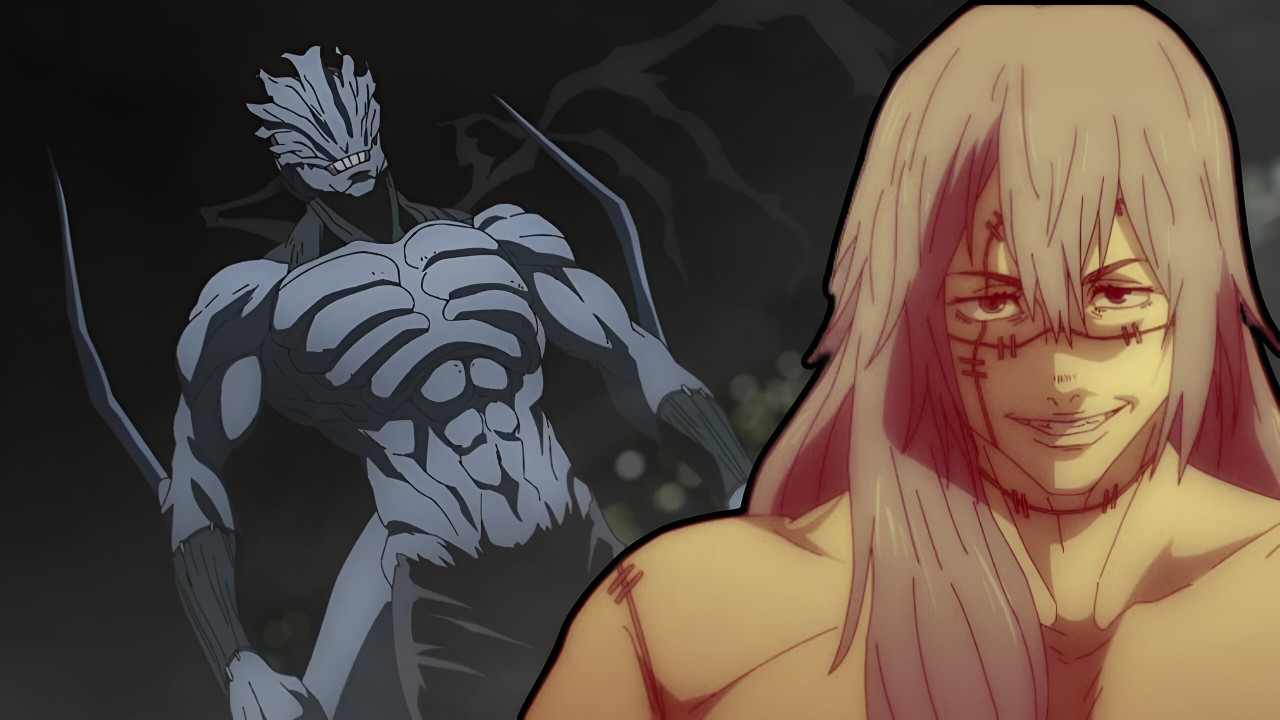
Mahito Biography The Curse That Reflected Humanity
Mahito is one of the most unsettling antagonists in Jujutsu Kaisen. Unlike villains driven by revenge or ideology, Mahito exists as a mirror of human fear, hatred, and cruelty.
He is not evil because he chooses to be.
He is evil because humans created him.
This biography explores Mahito’s origin, personality, cursed technique, twisted philosophy, and why he stands as one of the most psychologically terrifying villains in modern anime.
Origin of Mahito: A Curse Born from Humans
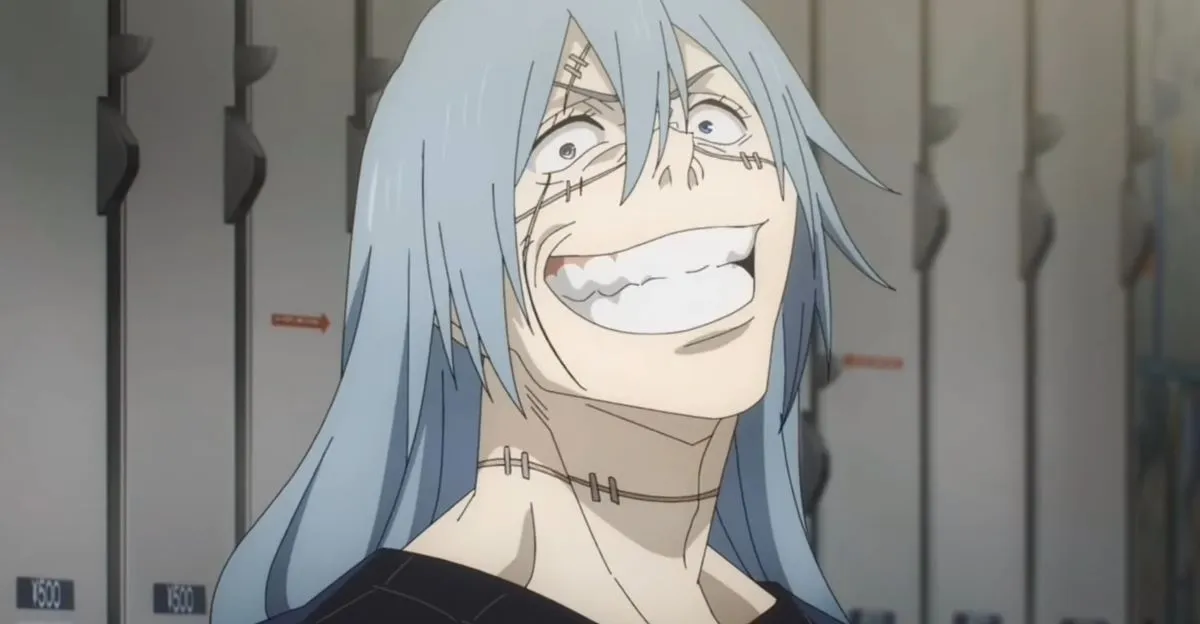
Mahito is a special-grade cursed spirit born from humanity’s fear and hatred toward other humans. Unlike curses born from natural disasters or abstract concepts, Mahito represents something deeply personal.
He is the curse of human malice.
Because of this origin, Mahito possesses intelligence, curiosity, and emotional complexity far beyond typical curses. He doesn’t just kill—he experiments, observes, and learns.
From the beginning, Mahito shows childlike curiosity mixed with extreme cruelty.
Personality Curious, Cruel, and Childlike
Mahito’s personality is deceptively playful. He laughs, jokes, and speaks casually even while committing horrific acts.
Core traits:
-
Childlike curiosity
-
Complete lack of empathy
-
Enjoyment of suffering
-
Rapid emotional shifts
Mahito does not understand morality the way humans do. To him, pain is not evil; it is interesting.
This makes him unpredictable and terrifying.
Philosoph: Why is the Soul?

Mahito believes that the soul defines the body, not the other way around. This belief becomes the foundation of both his cursed technique and his worldview.
He views humans as:
-
Fragile
-
Temporary
-
Easily reshaped
From Mahito’s perspective, humans are clay to be molded.
This philosophy directly opposes Yuji Itadori’s belief in the sanctity of life, making their conflict deeply ideological.
Idle Transfiguration Explained
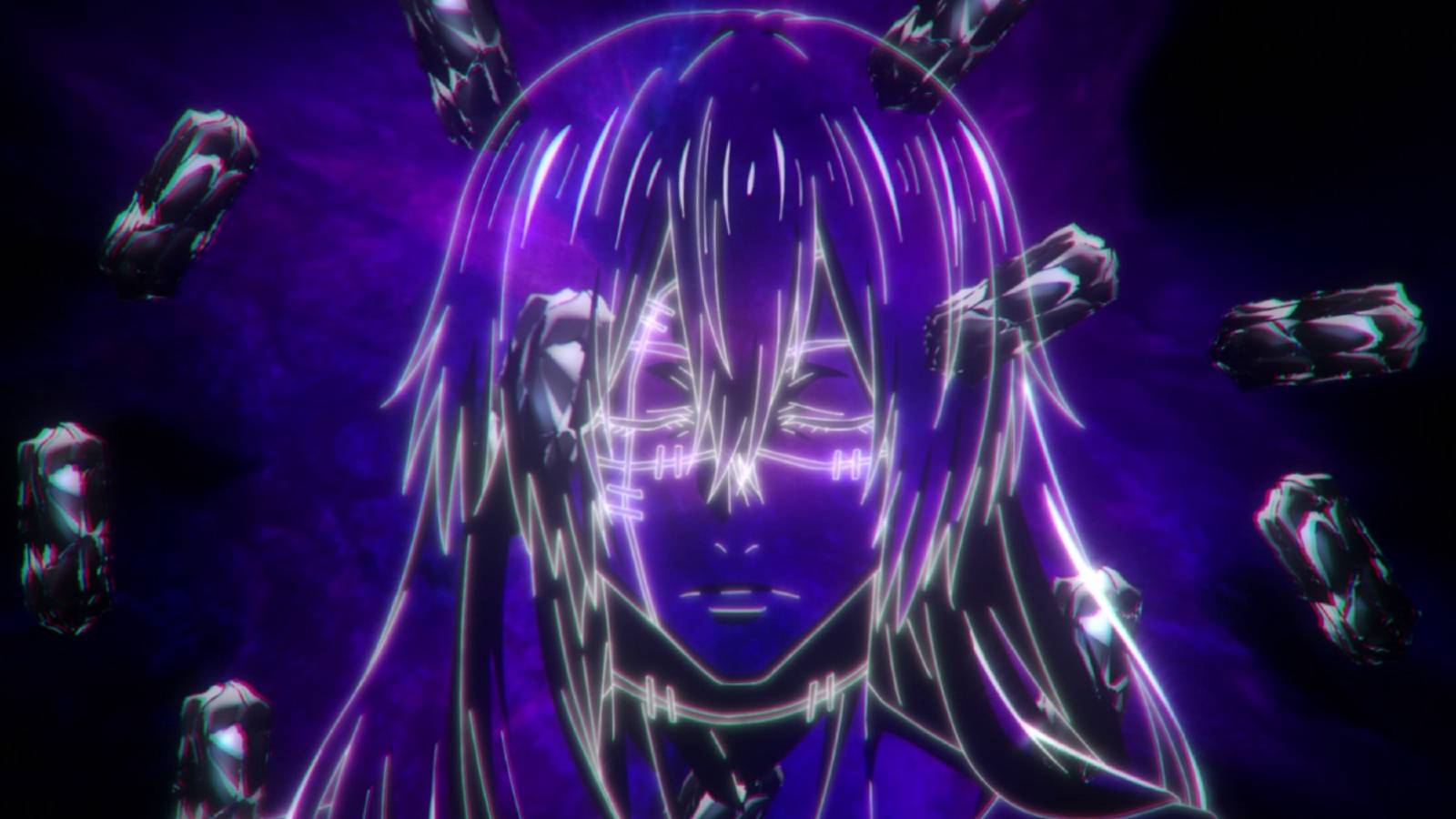
Mahito’s cursed technique, Idle Transfiguration, allows him to manipulate the shape of souls through physical contact.
Effects include:
-
Twisting human bodies into grotesque forms
-
Creating living weapons
-
Instantly killing targets by reshaping their souls
Because the soul is altered first, physical defenses are meaningless against this technique.
Idle Transfiguration is widely considered one of the most horrifying abilities in the series.
Shapeshifting and Combat Evolution
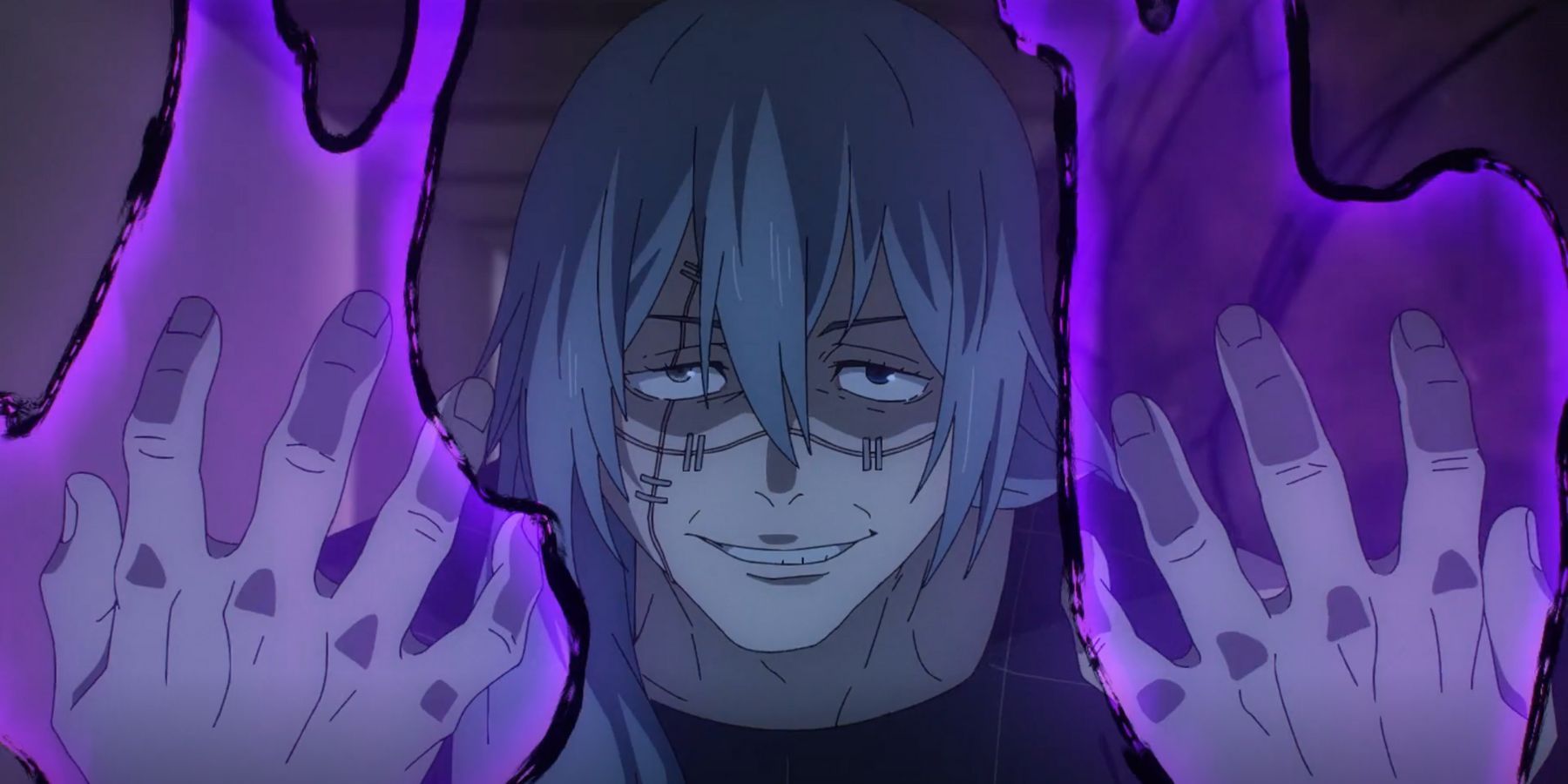
Mahito can reshape his own soul, allowing him to:
-
Heal from damage
-
Alter his body shape
-
Create weapons from his limbs
Unlike most characters, Mahito evolves mid-battle. Every fight makes him smarter, stronger, and more dangerous.
He learns by suffering just like humans do.
Relationship with Yuji Itadori
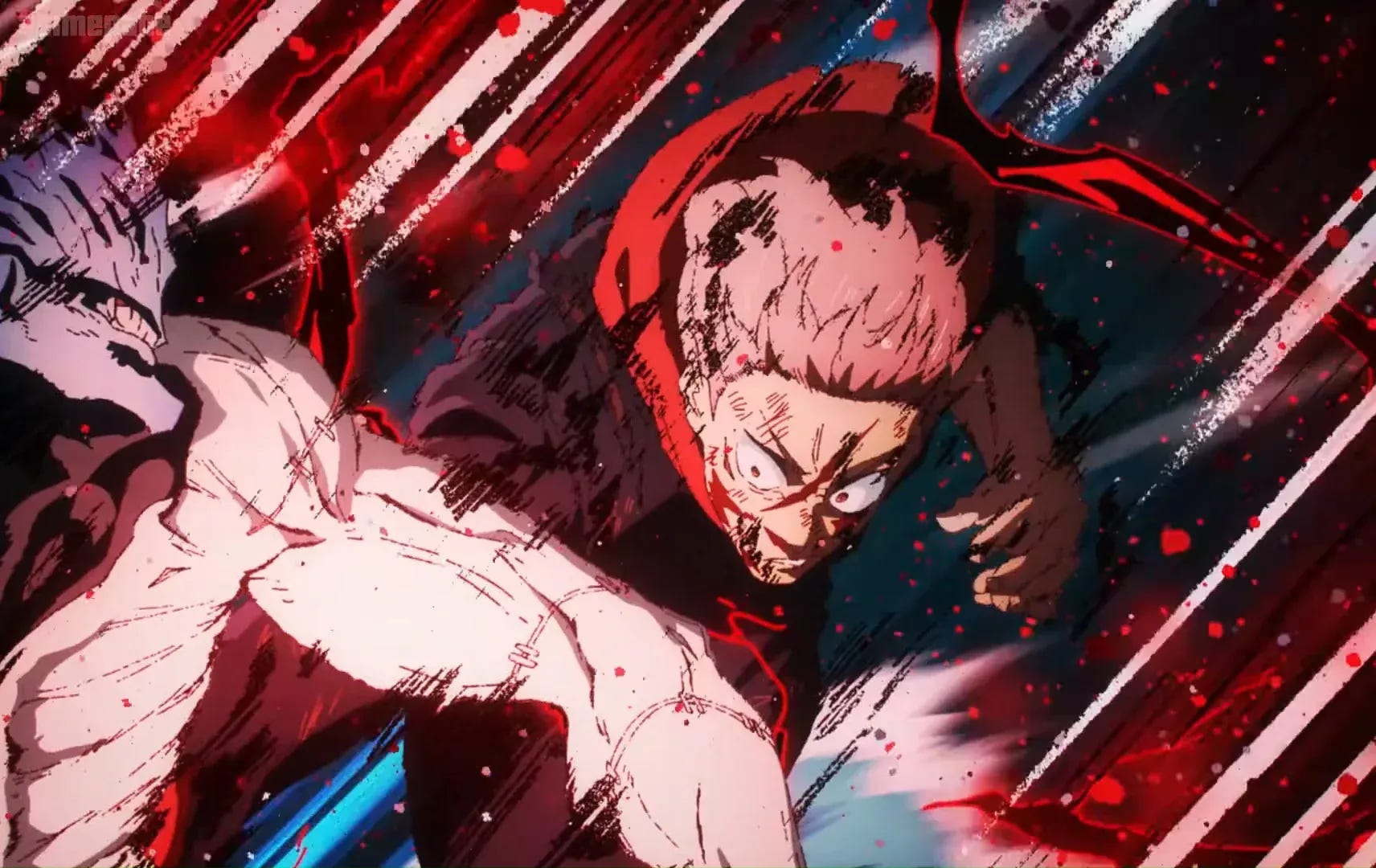
Mahito and Yuji Itadori are narrative opposites.
Yuji values life.
Mahito values curiosity.
Mahito takes pleasure in breaking Yuji emotionally, targeting those Yuji cares about to prove a point: that human ideals are fragile.
Their battles are not just physical; they are psychological wars.
Mahito represents everything Yuji fears becoming.
Nanami Kento and Emotional Trauma
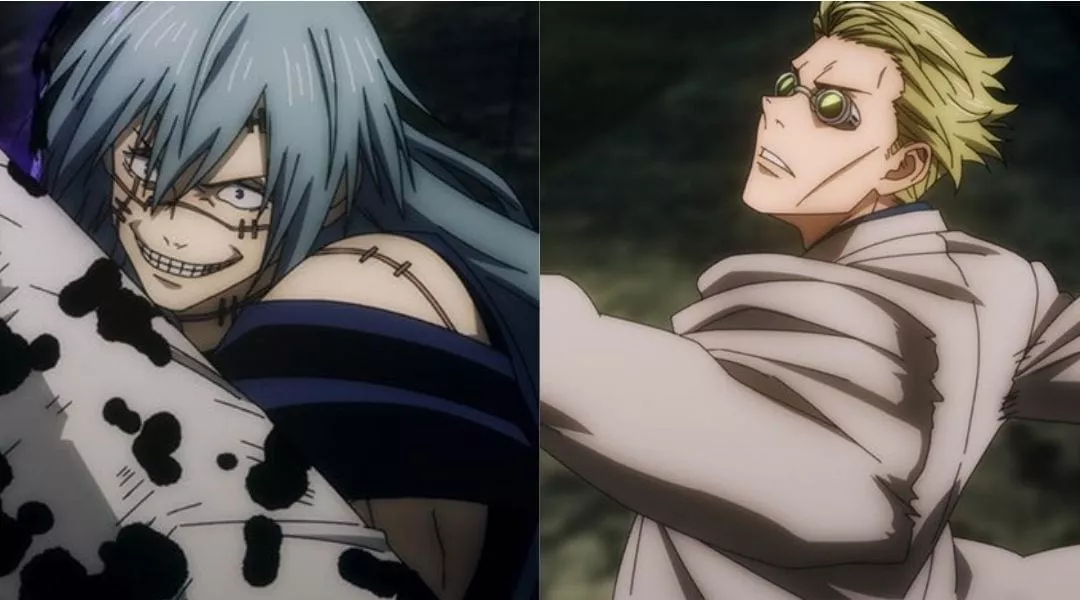
Mahito’s encounter with Nanami Kento highlights his cruelty. Mahito deliberately targets Nanami’s sense of responsibility and adulthood.
Nanami recognizes Mahito as:
-
Immature
-
Dangerous
-
A curse that must be destroyed
Their conflict reinforces Mahito’s role as a force that corrupts everything it touches.
Growth into a True Curse

As Mahito matures, he begins to accept his nature fully. He no longer pretends to understand humans—he embraces his role as their enemy.
This self-acceptance leads to:
-
Increased confidence
-
Refined cursed energy control
-
Willingness to face death
Mahito stops fearing sorcerers and begins hunting them.
Domain Expansion: Self-Embodiment of Perfection
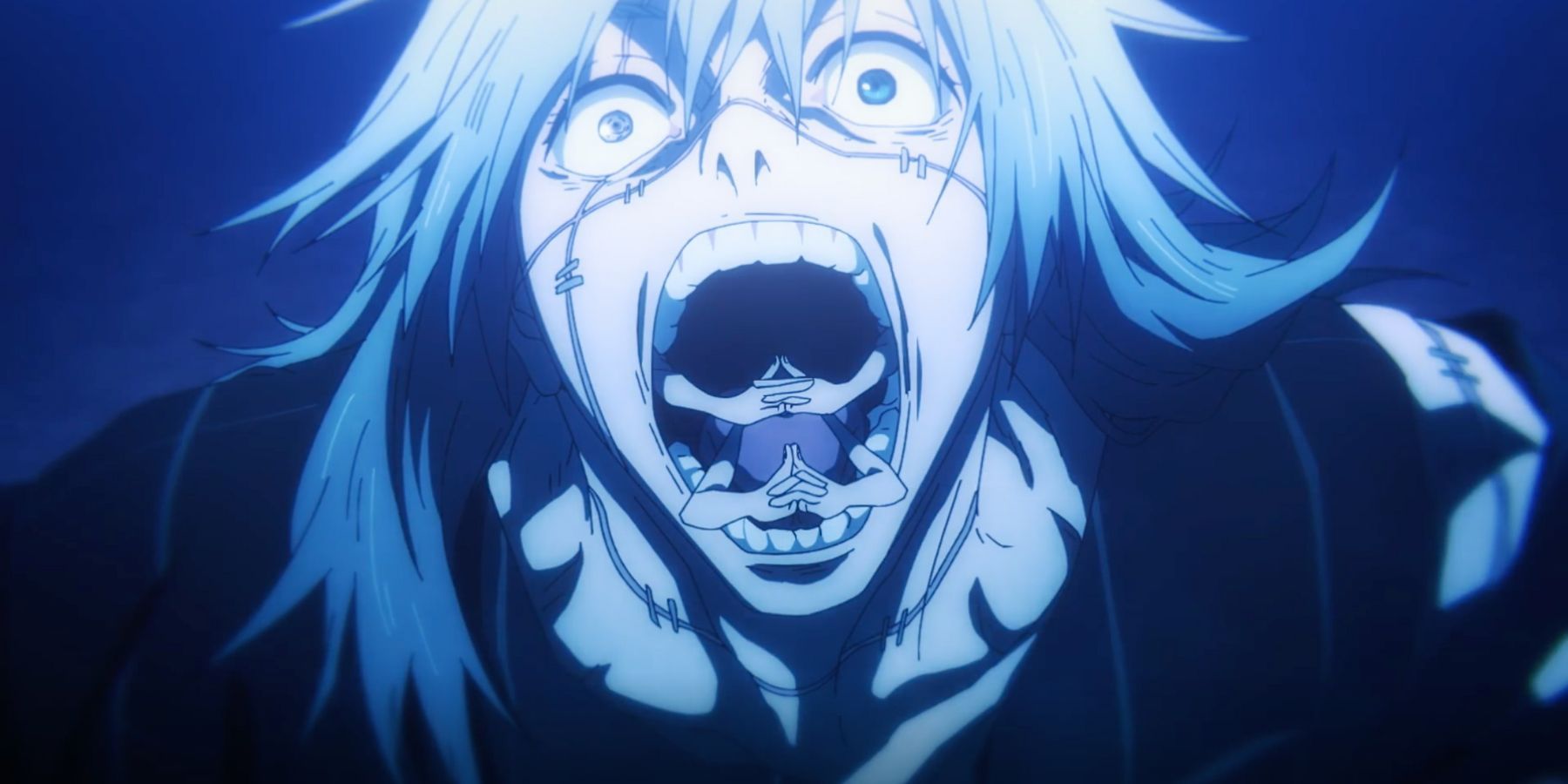
Mahito’s Domain Expansion, Self-Embodiment of Perfection, allows him to instantly activate Idle Transfiguration on anyone within range.
This domain represents Mahito’s worldview:
-
Absolute control
-
No resistance
-
No escape
Inside his domain, Mahito becomes a god of flesh and soul.
Fear of Death and Final Breakdown
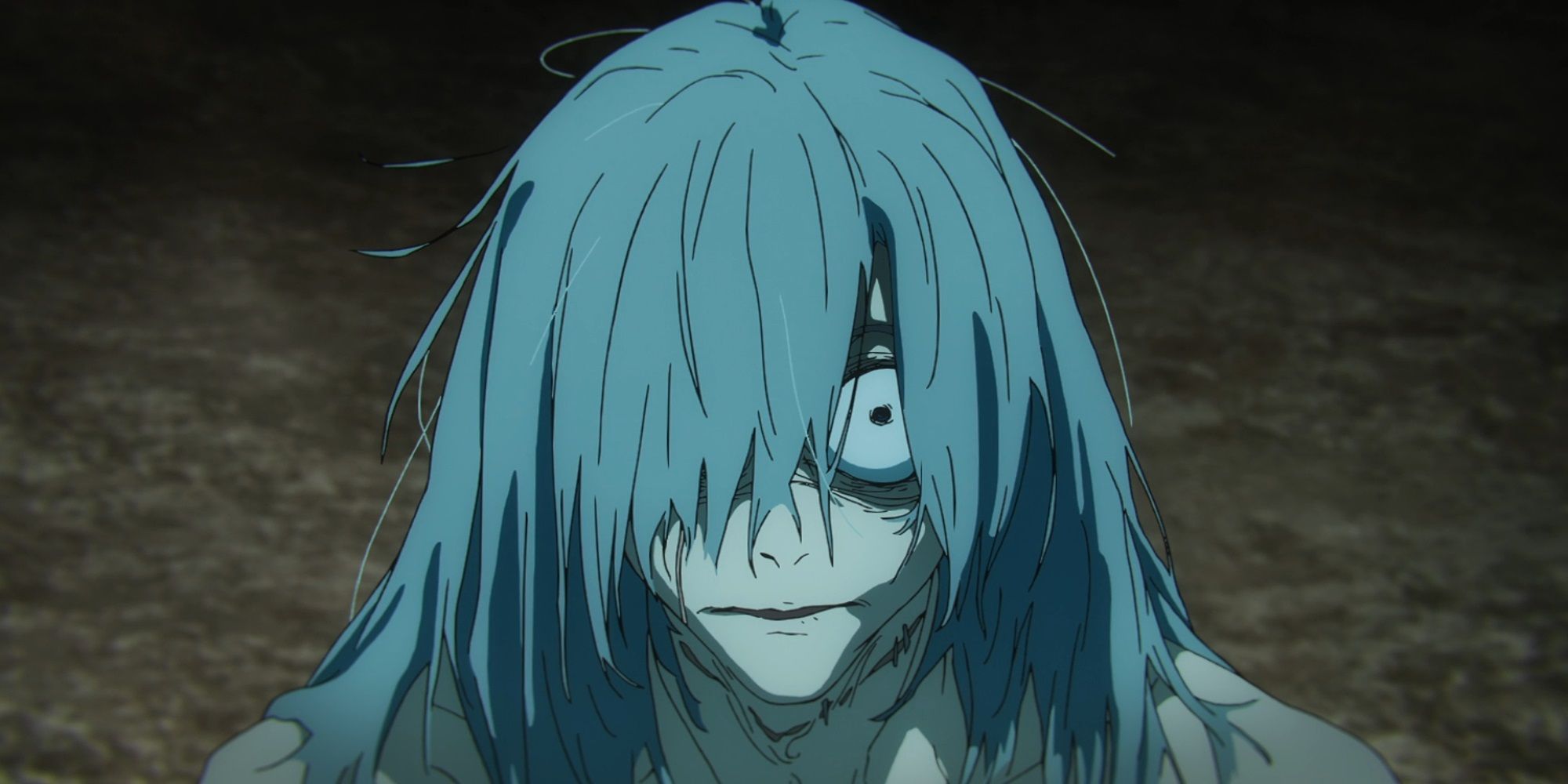
Despite his philosophy, Mahito experiences true fear for the first time when facing death.
This moment is critical.
Mahito realizes:
-
He does value his own existence
-
Fear is not exclusive to humans
-
He is no different from the beings he mocked
This realization shatters his confidence and exposes his hypocrisy.
Mahito’s End and Defeat
Mahito’s defeat is not heroic or grand. He is reduced to a terrified being, desperately trying to survive.
This ending reinforces the series’ core theme:
Even monsters fear death.
Mahito dies not as a god but as a scared child.
Symbolism of Mahito

Mahito symbolizes:
-
Humanity’s cruelty
-
Fear of dehumanization
-
Moral emptiness
He is not an outsider to humanity; he is its reflection.
Why Mahito Is Such a Powerful Villain
Mahito stands out because:
-
He challenges moral absolutes
-
He grows like a protagonist,onist but in reverse
-
He forces heroes to confront despair
He is evil without justification, and that honesty makes him terrifying.
Cultural Impact
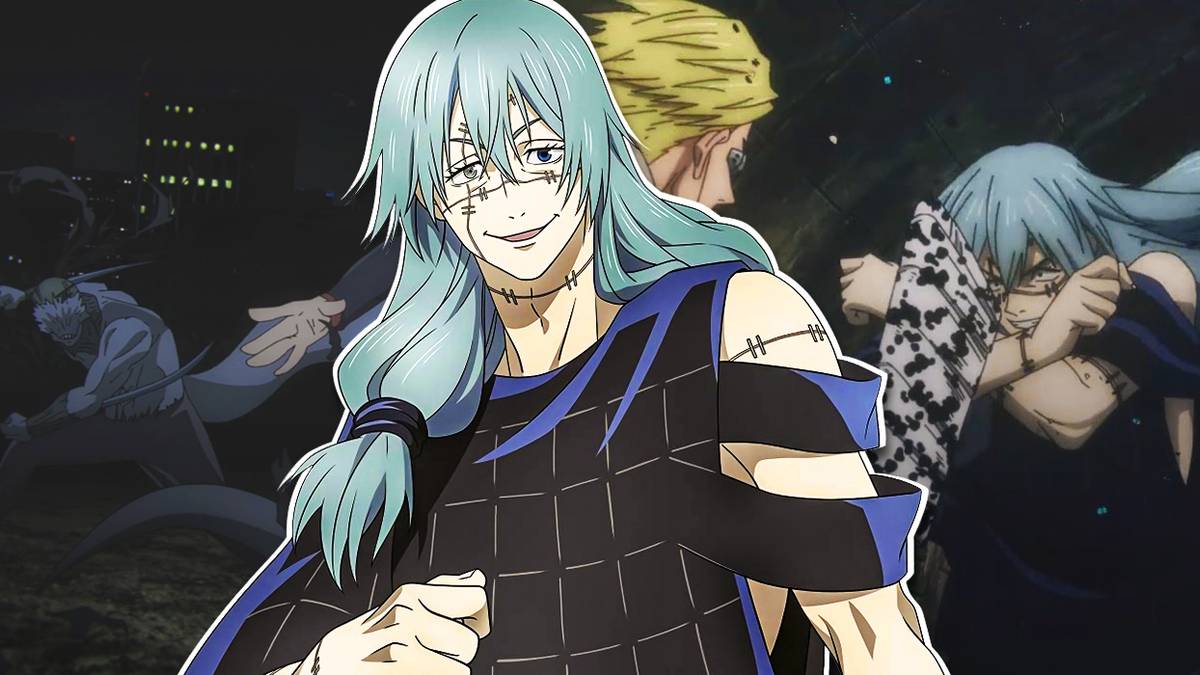
Mahito remains one of the most discussed anime villains. Fans analyze his philosophy, his cruelty, and his parallels to human behavior.
He sparked intense debate about what truly defines evil.
Final Thoughts
Mahito was never meant to be redeemed.
He was meant to be understood.
Born from hatred, raised through suffering, and destroyed by fear, Mahito proves one chilling truth:
The most terrifying monsters are the ones that reflect ourselves.
That is why Mahito remains one of the darkest and most unforgettable characters in Jujutsu Kaisen.