Naruto Uzumaki Biography The Boy Who Never Gave Up
Naruto Uzumaki is one of the most influential and beloved anime characters of all time. His story is not about talent or destiny; it is about persistence, loneliness, and an unbreakable will to be acknowledged.
From an unwanted orphan to the Seventh Hokage, Naruto’s journey defined an entire generation of anime fans and reshaped the meaning of a shonen protagonist.
This biography explores Naruto’s origins, personality, abilities, relationships, and why his story remains timeless.
Early Life The Lonely Orphan
Naruto Uzumaki was born in the Hidden Leaf Village on the night of disaster. The Nine-Tailed Fox, Kurama, attacked the village and was sealed inside Naruto by his father, the Fourth Hokage, at the cost of his own life.
As a result, Naruto grew up:
-
Without parents
-
Feared by villagers
-
Completely isolated
No one explained why he was hated. He was shunned simply for existing.
This loneliness became the emotional foundation of Naruto’s character.
Personality Loud, Stubborn, and Kind
Naruto’s personality is impossible to ignore.
Key traits:
-
Extremely loud and energetic
-
Stubborn to a fault
-
Emotionally open
-
Deeply empathetic
Despite being treated as a monster, Naruto never lost his kindness. He craved acknowledgment, not revenge.
His dream of becoming Hokage was never about power; it was about being seen.
Ninja Academy and Early Struggles

At the Ninja Academy, Naruto struggled academically and practically. He failed basic techniques and was labeled a troublemaker.
However, Naruto possessed:
-
Massive chakra reserves
-
Unusual endurance
-
Exceptional willpower
While others excelled naturally, Naruto learned through repeated failure. This made his growth slower but far more meaningful.
Team 7 and Kakashi Hatake
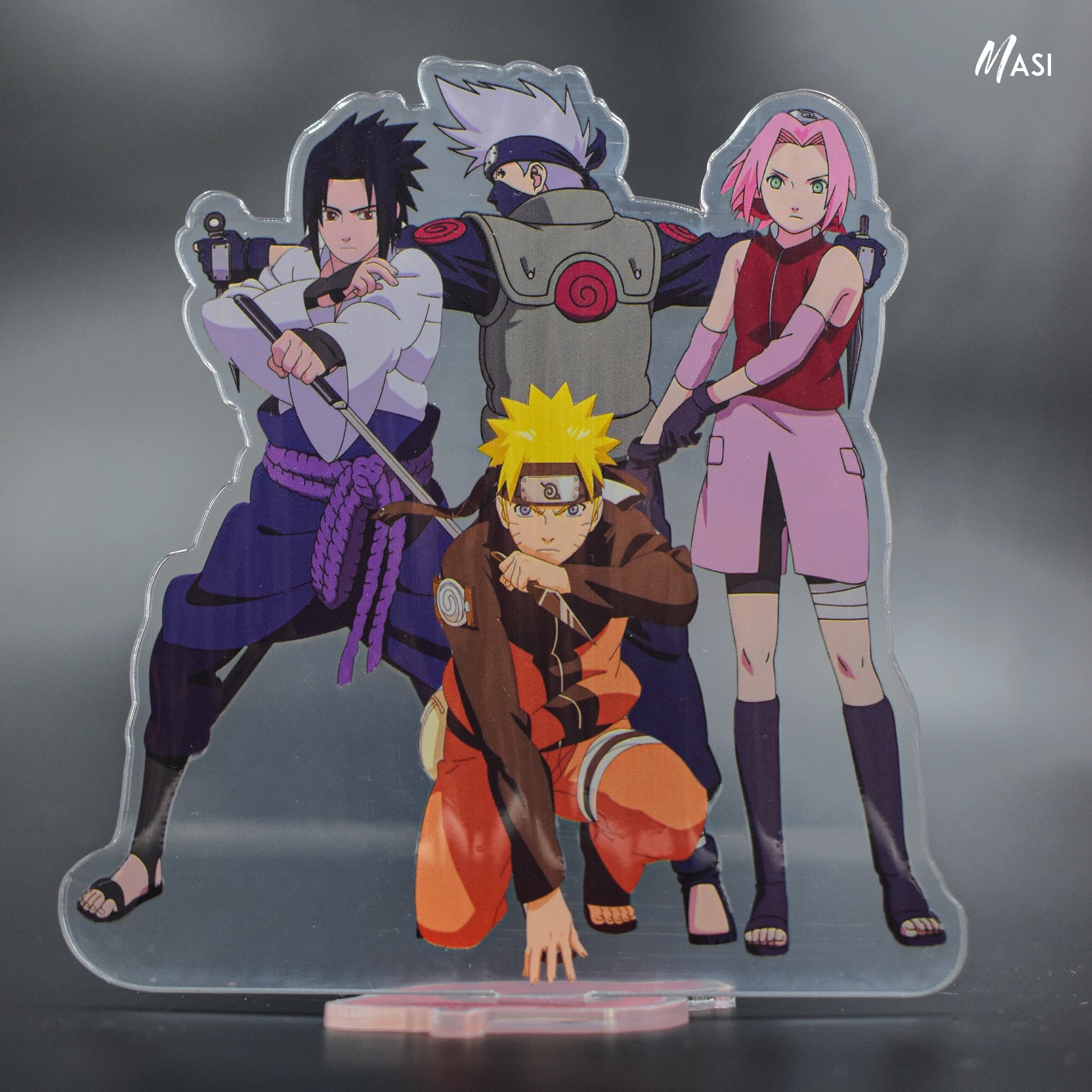
Naruto was placed on Team 7 alongside Sasuke Uchiha and Sakura Haruno under the leadership of Kakashi Hatake.
This team dynamic defined Naruto’s early development:
-
Sasuke became his rival
-
Sakura became his motivation
-
Kakashi became his first real mentor
For the first time, Naruto experienced belonging.
Rivalry with Sasuke Uchiha
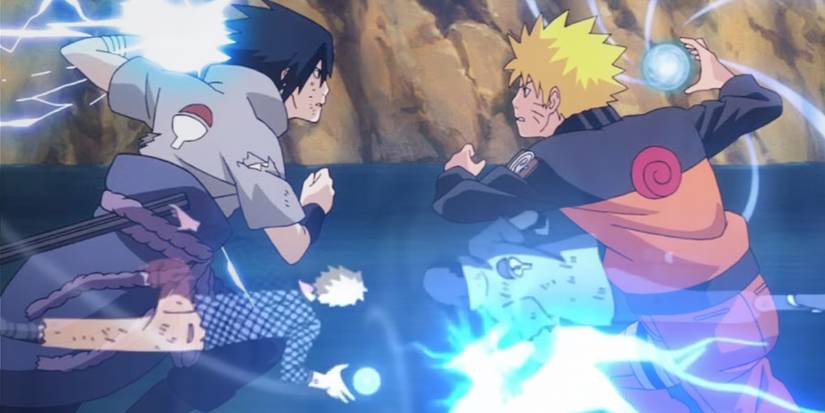
Naruto’s rivalry with Sasuke is central to his story.
Sasuke represented:
-
Natural talent
-
Recognition
-
Everything Naruto lacked
Yet Naruto never wanted to defeat Sasu; he wanted to save him.
This rivalry became a symbol of two different responses to pain:
-
Sasuke chose isolation
-
Naruto chose connection
Kurama The Nine-Tailed Fox

Kurama was initially Naruto’s greatest curse. The fox’s chakra caused fear and destruction, threatening Naruto’s control.
Over time, Naruto learned:
-
To resist Kurama’s hatred
-
To understand his pain
-
To cooperate rather than dominate
Their relationship evolved from hostility into partnership, marking Naruto’s emotional maturity.
Training with Jiraiya
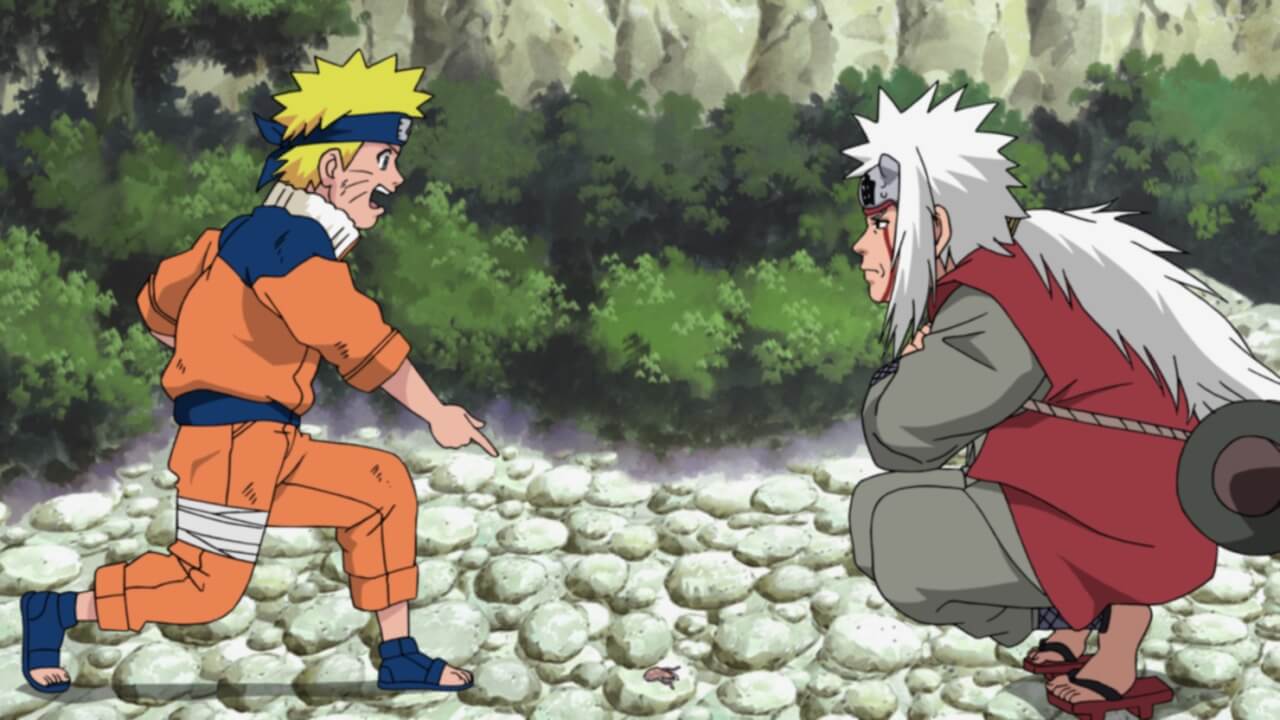
Training under Jiraiya transformed Naruto. He learned:
-
Advanced chakra control
-
Summoning techniques
-
The reality of loss and responsibility
Jiraiya was more than a teacher; he was the father figure Naruto never had.
His death later became one of Naruto’s greatest emotional trials.
Sage Mode and Growth
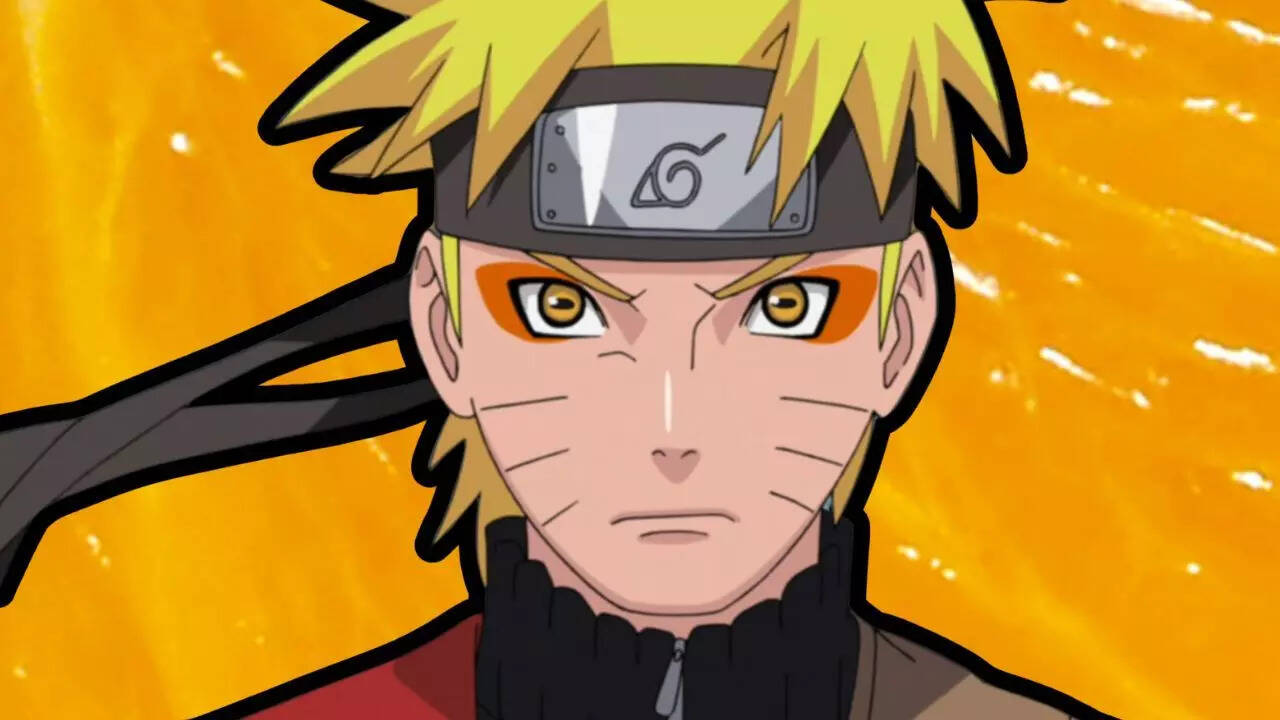
Naruto’s mastery of Sage Mode represented a turning point. For the first time, Naruto achieved power through discipline rather than emotion.
Sage Mode gave Naruto:
-
Enhanced strength and speed
-
Heightened perception
-
Calm mental focus
This form symbolized Naruto’s growth from reckless child to responsible ninja.
Philosophy: The Power of Bonds
Naruto’s greatest weapon was never jutsu; it was empathy.
Often called “Talk no Jutsu,” Naruto’s ability to understand others changed enemies into allies.
He believed:
-
Hatred is born from pain
-
Pain can be understood
-
Understanding can break cycles of violence
This philosophy defined Naruto as a hero unlike any other.
The Fourth Great Ninja War
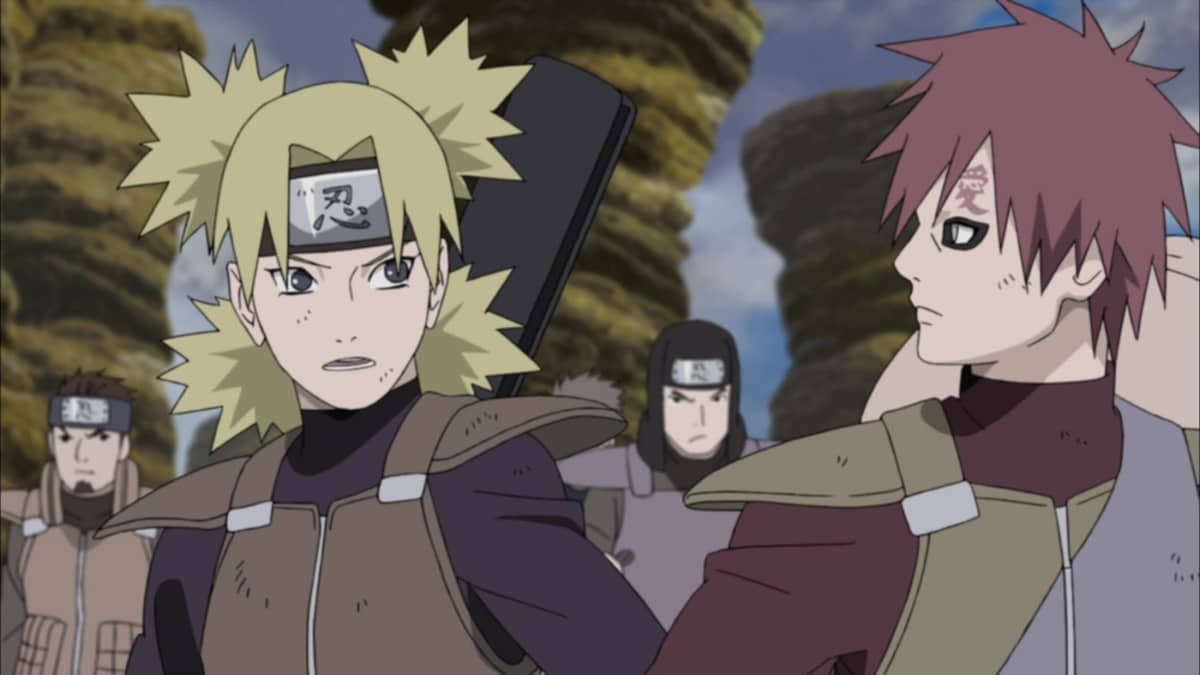
During the war, Naruto emerged as a global symbol of hope. He shared chakra, boosted allies, and carried the emotional weight of the entire world.
For the first time, Naruto was not chasing acknowledgment; he already had it.
He was protecting it.
Becoming Hokage
Naruto eventually fulfilled his lifelong dream and became the Seventh Hokage.
This moment was powerful not because use of the ceremony but because of the memory.
Every rejection.
a-start=”5616″ data-end=”5619″ />>Every lonely night.
Naruto earned this title through perseverance, not destiny.
Legacy and Cultural Impact
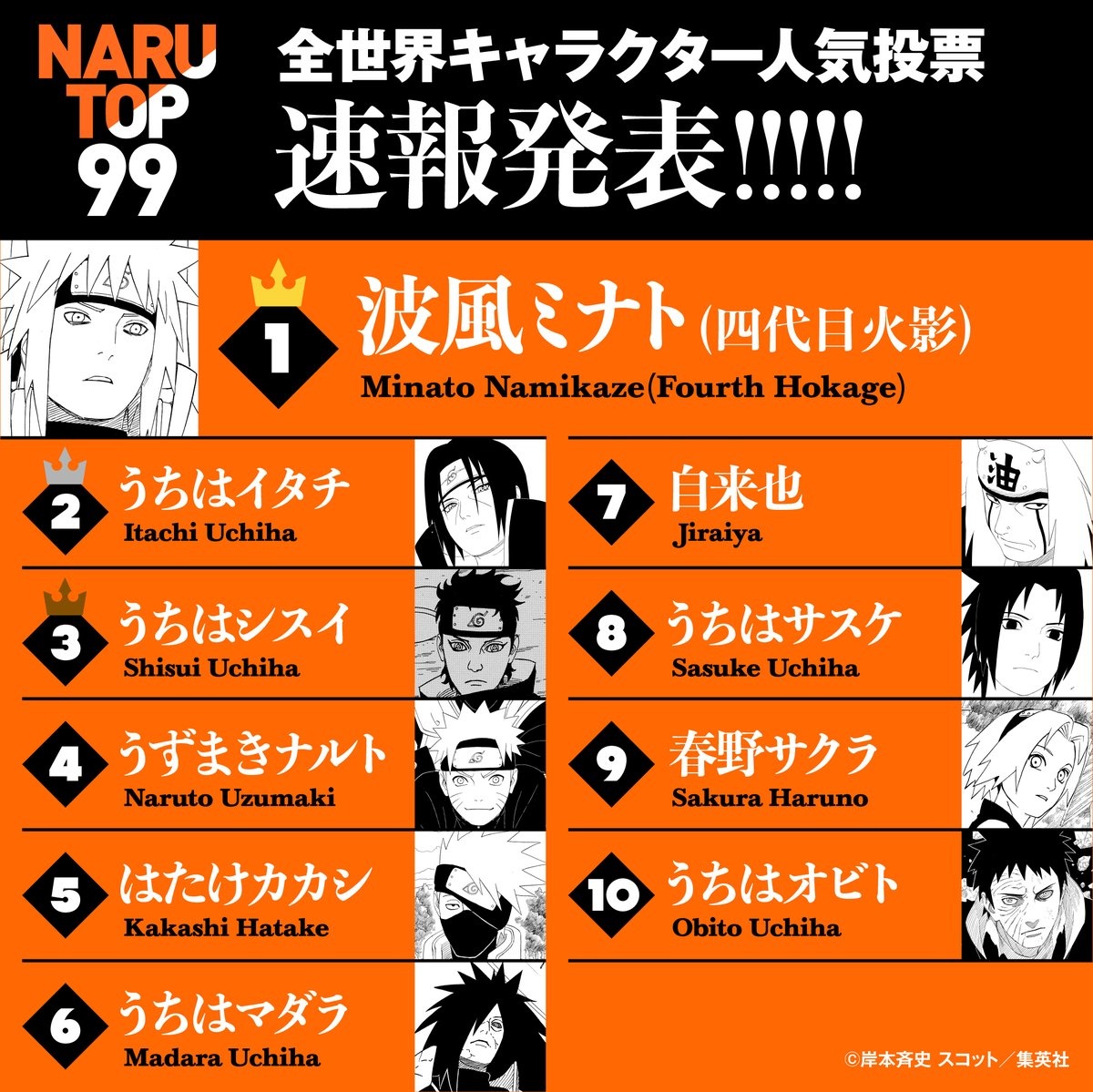
Naruto Uzumaki changed anime culture:
-
Popularized long-form shonen storytelling
-
Inspired themes of resilience and hope
-
Connected audiences across generations
For many fans, Naruto wasn’t just a character; he was motivation.
Why Naruto Uzumaki Is Timeless
Naruto remains iconic because:
-
He starts at the bottom
-
He fails constantly
-
He never gives up
His victories feel earned.
Final Thoughts
Naruto Uzumaki was not chosen by destiny.
He forced destiny to notice him.
Through pain, friendship, and unwavering belief, Naruto proved that even the most unwanted child can become the world’s greatest protector.
That is why Naruto Uzumaki is not just an anime character.
He is a symbol of hope.