New Zealand Glacier Hike Guide Exploring Ice Fields, Alpine Valleys, and the Frozen Landscapes of the Southern Alps
A New Zealand Glacier Hike feels like stepping into another planet where ancient ice flows slowly between towering mountains. In many countries glaciers hide deep in remote polar regions, but in New Zealand they descend dramatically from alpine peaks into lush rainforest valleys. This rare geographic contrast makes glacier hiking here one of the most extraordinary outdoor experiences on Earth.
Located mainly along the rugged backbone of the Southern Alps, New Zealand’s glaciers shape landscapes that seem almost cinematic. Helicopters buzz across snowy ridges, rivers carve through valleys filled with glacial meltwater, and hikers step carefully across shimmering blue ice. These environments provide a unique opportunity to experience glaciology, adventure tourism, and wilderness exploration all at once.
Understanding a New Zealand Glacier Hike involves more than simply walking on ice. It requires preparation, guidance, and respect for powerful natural forces that constantly reshape the terrain. When hikers approach the journey thoughtfully, the reward includes breathtaking views, thrilling challenges, and a deeper appreciation of Earth’s frozen ecosystems.
Why New Zealand Offers Unique Glacier Hiking Experiences

Glaciers Meeting Rainforests
Few places in the world display glaciers descending into temperate rainforest zones. On New Zealand’s West Coast, moist air from the Tasman Sea collides with the Southern Alps. This interaction creates heavy snowfall at high elevations while maintaining lush forests below.
The result feels surreal. You might walk through green forest trails before stepping onto brilliant white ice within the same day. This rare combination explains why a New Zealand Glacier Hike attracts adventurers from across the globe.
Rapidly Changing Ice Landscapes
Glaciers constantly move, crack, and reshape themselves. Crevasses open unexpectedly, ice caves collapse, and ridges shift over time. Guided glacier hikes allow visitors to explore these formations safely while learning how glaciers evolve.
Professional guides monitor these changes closely. Their expertise transforms glacier trekking into both an educational and thrilling experience.
The Two Most Famous Glacier Hiking Destinations
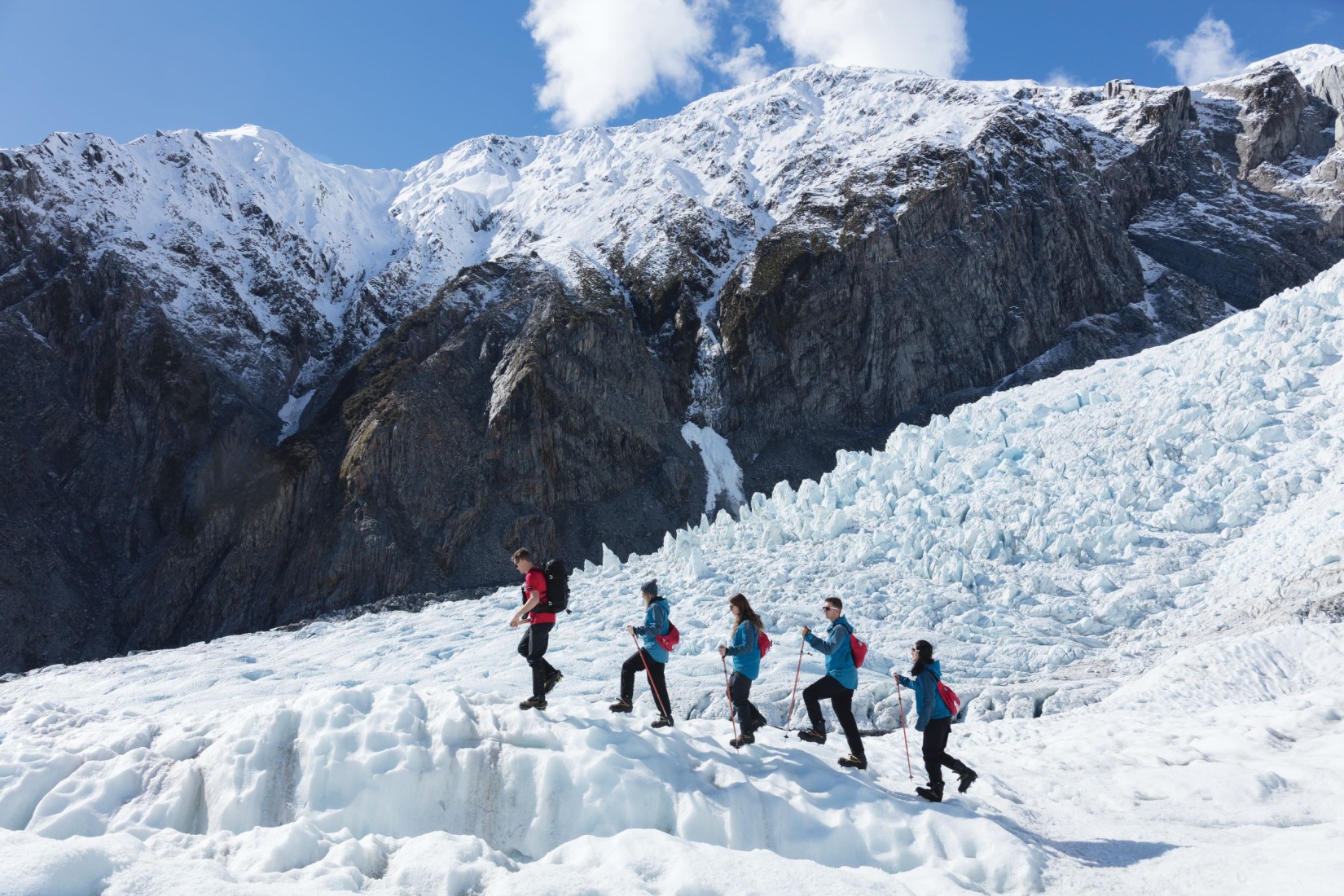
Franz Josef Glacier
Franz Josef Glacier sits near the small village of Franz Josef on the West Coast of New Zealand’s South Island. The glacier flows from high alpine snowfields down toward subtropical forest, creating dramatic scenery rarely found elsewhere.
Guided heli-hikes dominate the experience here. Helicopters transport hikers onto higher sections of the glacier where deep blue ice formations and narrow crevasses create an unforgettable landscape.
During a New Zealand Glacier Hike on Franz Josef, visitors often encounter ice tunnels, towering walls of frozen water, and sweeping views of surrounding peaks.
Fox Glacier
Located slightly south of Franz Josef, Fox Glacier offers another spectacular hiking destination. The glacier descends from the slopes of Aoraki / Mount Cook and flows toward the rainforest-covered valley floor.
Fox Glacier hikes often emphasize expansive ice fields and panoramic mountain views. Clear days reveal the dramatic contrast between snowy peaks and the Tasman Sea coastline.
Together, these two glaciers define the classic New Zealand Glacier Hike experience.
What to Expect During a Glacier Hike
Specialized Equipment
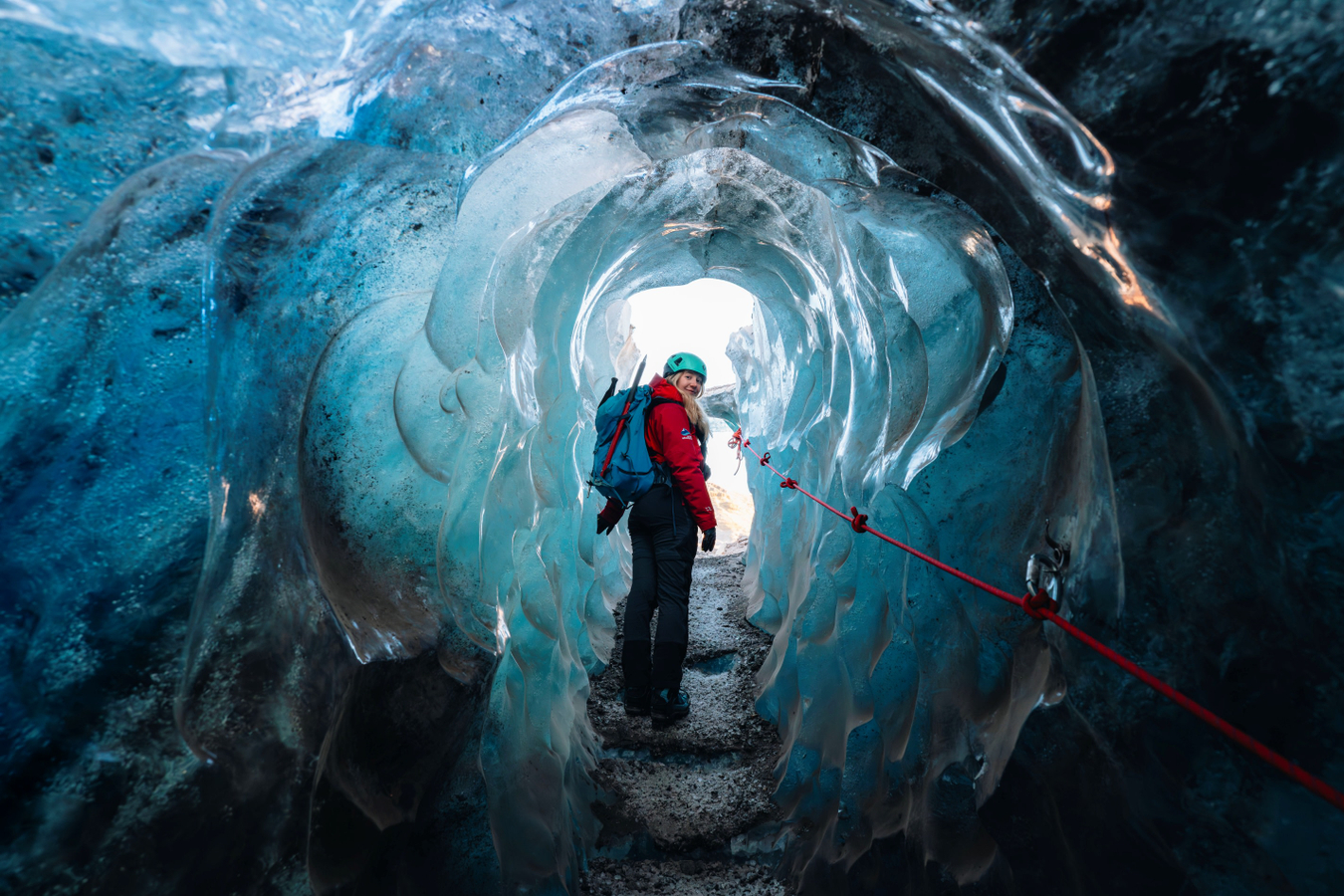
Glacier surfaces remain slippery and uneven. Guides provide crampons, helmets, and ice axes to ensure safe travel across the terrain. Crampons attach to hiking boots and provide metal spikes that grip the ice.
Once equipped, hikers follow carved steps across the glacier while guides explain how ice formations develop.
Guided Routes Through Ice Formations
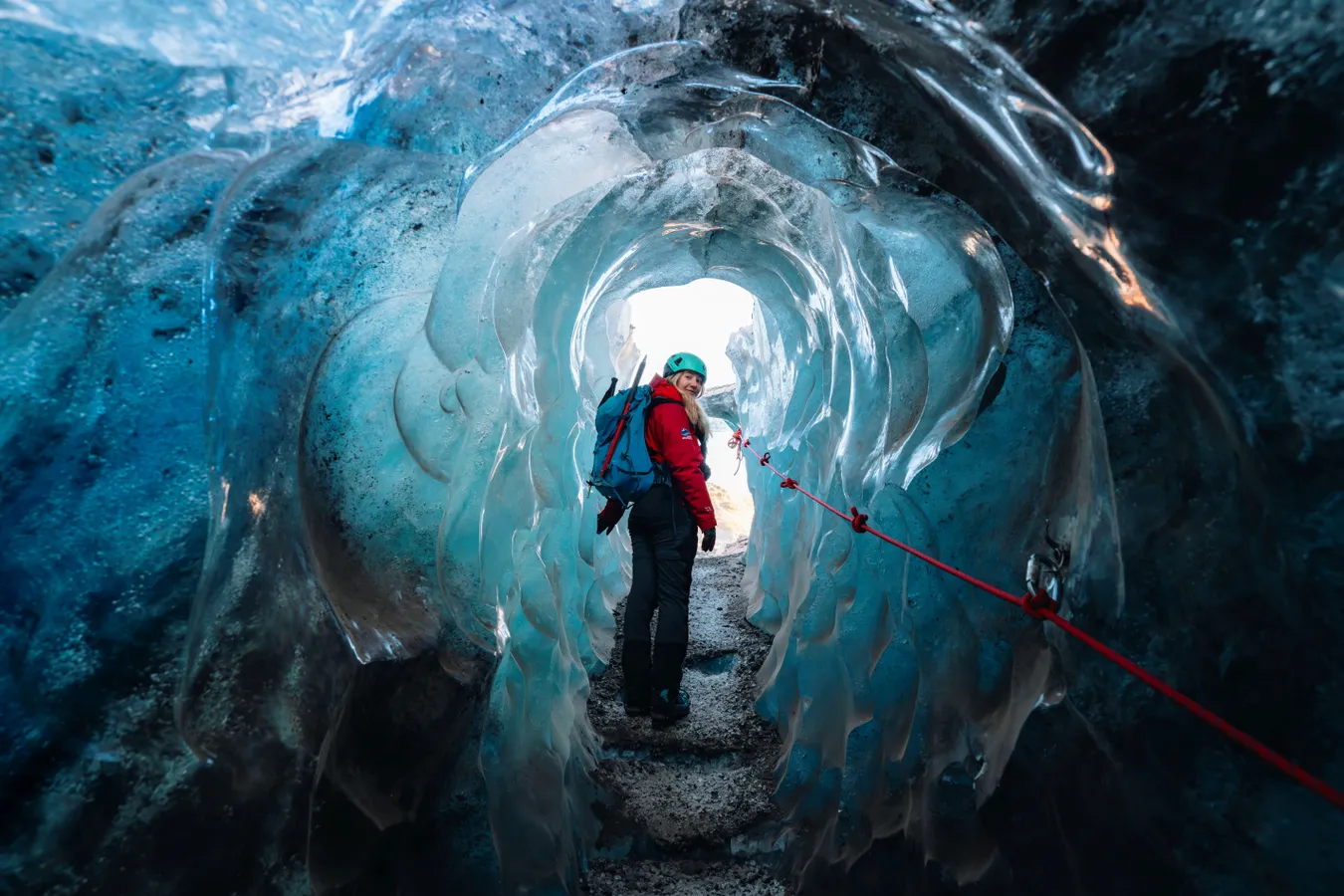
Guides often lead groups through narrow crevasses and small ice caves. These features glow with deep blue light created by compressed glacial ice.
The pace remains moderate. Guides stop frequently so hikers can photograph dramatic formations and learn about glacial science.
This combination of exploration and education defines the essence of a New Zealand Glacier Hike.
Physical Preparation and Safety
A glacier hike requires moderate fitness rather than extreme athletic ability. Most tours involve two to four hours of walking on uneven surfaces. Balance and endurance matter more than speed.
Guides emphasize safety throughout the journey. They select routes carefully and adapt plans according to weather and ice conditions. Following instructions ensures a safe experience for everyone in the group.
Training beforehand with hikes on uneven terrain helps prepare your body for the challenge.
Weather Conditions in the Southern Alps
Weather in the Southern Alps changes quickly. Rain, snow, or strong winds may appear suddenly. Tour operators monitor conditions carefully and may postpone hikes if safety becomes uncertain.
Clear mornings often provide the best hiking conditions. Layers of clothing help hikers adapt to shifting temperatures during the day.
Understanding mountain weather remains an essential part of preparing for a New Zealand Glacier Hike.
Environmental Importance of Glaciers
New Zealand’s glaciers serve as important indicators of climate change. Scientists study their retreat patterns to understand global warming trends.
Visitors play a role in preserving these fragile environments. Staying on designated paths and following guide instructions helps protect the ice formations and surrounding ecosystems.
Responsible tourism ensures that future generations can still experience the wonder of a New Zealand Glacier Hike.
The Emotional Impact of Walking on Ancient Ice
Standing on a glacier often inspires a profound sense of perspective. The ice beneath your boots formed from snowfall that accumulated over hundreds of years. Each layer preserves fragments of Earth’s climate history.
Looking across crevasses and ice ridges, hikers realize they are walking through a living geological process rather than a static landscape. The glacier slowly moves, reshaping valleys and carving mountains.
Moments like these transform a simple outdoor activity into something far deeper than tourism.
Conclusion
A New Zealand Glacier Hike offers one of the most extraordinary adventures available in the Southern Hemisphere. From the dramatic ice formations of Franz Josef Glacier to the sweeping alpine views of Fox Glacier, hikers experience landscapes that blend raw natural power with scientific wonder.
Preparation, proper equipment, and guided expertise ensure that travelers can explore these frozen environments safely. At the same time, the journey reveals the beauty and fragility of glacial ecosystems.
For adventurers seeking something truly unforgettable, a New Zealand Glacier Hike delivers a rare opportunity to walk across ancient ice while surrounded by some of the most spectacular scenery on Earth.