
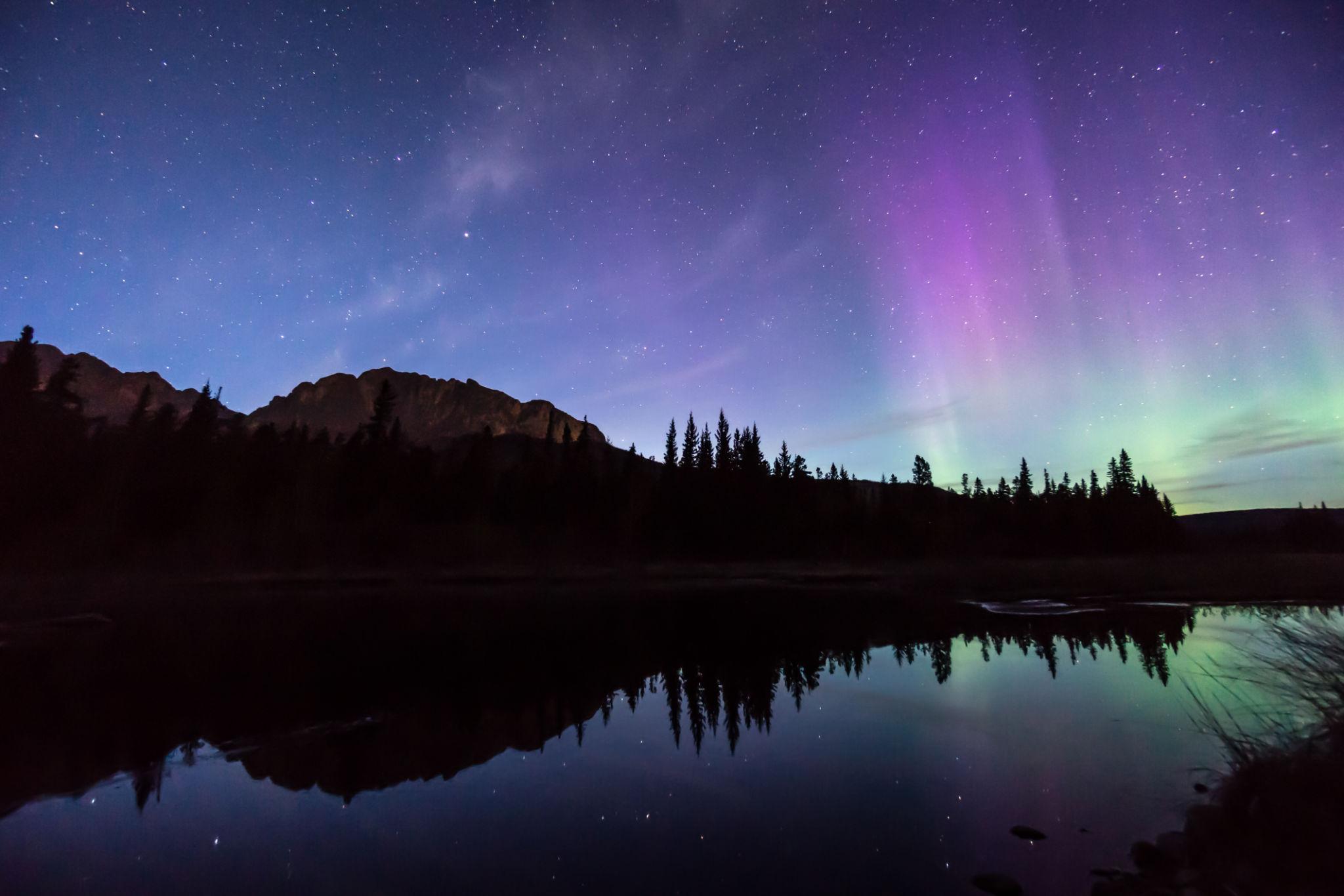
The Ultimate Guide to Seeing the Northern Lights in Yukon Canada Where Arctic Skies Dance With Color
The Ultimate Guide to Seeing the Northern Lights in Yukon Canada begins with a simple truth: few places on Earth reveal the aurora borealis with the same clarity and intensity as Yukon. Far north in Canada’s wilderness, the skies stretch wide and dark, free from city lights and crowded horizons. On the right night, green ribbons sweep across the stars, violet streaks ripple like curtains, and the sky itself seems to move.
Yukon offers a rare combination of geographic advantage and natural beauty. Its northern latitude places it directly under the auroral oval, the ring-shaped region where northern lights appear most frequently. At the same time, vast landscapes, frozen lakes, and snow-covered forests create perfect viewing settings.
Understanding The Ultimate Guide to Seeing the Northern Lights in Yukon Canada means learning when to visit, where to go, and how to prepare for long winter nights beneath Arctic skies. When everything aligns—clear weather, solar activity, and patience—you witness one of nature’s most unforgettable performances.
Why Yukon is One of the Best Places on Earth for Aurora Viewing

Location Beneath the Auroral Oval
The auroral oval circles the Earth near the Arctic region. Yukon lies directly within this zone, which dramatically increases the probability of seeing northern lights on clear nights. Unlike more southern destinations, auroras here appear frequently during the long winter season.
Minimal Light Pollution
Much of Yukon remains wild and sparsely populated. Towns spread far apart, and large areas remain untouched by artificial lighting. Dark skies allow even faint auroras to become visible.
Travelers following The Ultimate Guide to Seeing the Northern Lights in Yukon Canada quickly realize that geography alone provides a powerful advantage. The territory’s natural darkness enhances every aurora display.
Best Time of Year to See the Northern Lights

Aurora Season in Yukon
Aurora viewing typically runs from late August through early April. During these months, the nights grow long and dark enough for auroras to appear clearly.
Winter provides the longest viewing hours. December and January nights stretch for many hours, increasing the chances of witnessing multiple displays in a single evening.
Autumn vs Winter Viewing
Autumn offers milder temperatures and reflections of auroras in unfrozen lakes. Winter delivers snow-covered landscapes and crisp Arctic air that enhances visibility.
Choosing between these seasons depends on personal preference. Both options support the experience described in The Ultimate Guide to Seeing the Northern Lights in Yukon Canada.
Top Locations for Northern Lights in Yukon
Aurora Viewing Near Whitehorse

Whitehorse serves as the main gateway to Yukon and offers excellent aurora viewing spots just outside the city. Within a short drive, you reach quiet lakes and open valleys with dark horizons.
Many guided tours operate from Whitehorse, taking visitors to remote viewing areas with heated shelters and photography assistance.
Wilderness Adventures in Kluane National Park and Reserve

Kluane National Park offers a dramatic backdrop for aurora photography. Towering mountains and frozen lakes frame the night sky, creating cinematic landscapes.
The park lies far from urban light sources, making aurora displays appear brighter and more vivid.
When planning The Ultimate Guide to Seeing the Northern Lights in Yukon Canada, combining Whitehorse convenience with wilderness exploration often produces the best results.
Understanding How the Northern Lights Form
Solar Energy Meets Earth’s Atmosphere
The northern lights form when charged particles from the sun travel through space and collide with gases in Earth’s atmosphere. These particles interact with oxygen and nitrogen at high altitudes.
The collisions release energy as light. Oxygen produces green and red hues, while nitrogen contributes purple and blue tones.
Movement and Shape
Earth’s magnetic field guides solar particles toward polar regions. This interaction creates the swirling shapes and dancing motions that define auroras.
Understanding this science deepens appreciation while following The Ultimate Guide to Seeing the Northern Lights in Yukon Canada.
Tips for Maximizing Your Aurora Experience
Check Aurora Forecasts
Several scientific websites track solar activity and aurora probability. Monitoring these forecasts helps travelers choose the best nights for viewing.
Escape Artificial Light
Even in small towns, nearby hills or lakes provide darker viewing conditions. The darker the sky, the brighter the aurora appears.
Dress for Extreme Cold
Yukon winters can drop well below freezing. Layered clothing, insulated boots, and thermal gloves ensure comfort during long viewing sessions.
Preparation plays a crucial role in The Ultimate Guide to Seeing the Northern Lights in Yukon Canada.
Photographing the Northern Lights

Camera Settings That Work
Aurora photography requires long exposures and stable equipment. A tripod stabilizes the camera, while wide-angle lenses capture sweeping skies.
Patience and Timing
Auroras appear suddenly and fade quickly. Staying ready with pre-adjusted camera settings ensures you capture the moment when the sky erupts with color.
For many travelers, photography becomes a highlight of The Ultimate Guide to Seeing the Northern Lights in Yukon Canada.
Yukon Culture and Winter Experiences
Aurora trips rarely revolve solely around night skies. During the day, visitors explore dog sledding trails, frozen rivers, and Indigenous cultural experiences.
Local communities share stories about the aurora through oral traditions and legends. Some cultures describe the lights as spirits dancing across the sky.
These narratives add depth to The Ultimate Guide to Seeing the Northern Lights in Yukon Canada, connecting science with cultural meaning.
Conclusion
reveals more than a travel destination. It introduces a landscape where nature performs nightly light shows beneath endless Arctic skies.
Yukon offers ideal geography, minimal light pollution, and unforgettable wilderness scenery. When solar activity meets clear winter nights, the aurora transforms the sky into moving color.
Travelers who follow The Ultimate Guide to Seeing the Northern Lights in discover that the experience extends beyond photography or sightseeing. Standing beneath shimmering auroras in Yukon feels like witnessing the Earth itself come alive.