The Ultimate Guide to Snorkeling in the Great Barrier Reef Discovering the World’s Largest Coral Wonderland
The Ultimate Guide to Snorkeling in the Great Barrier Reef begins with understanding the scale and wonder of this extraordinary natural ecosystem. Stretching along the northeastern coast of Australia, the Great Barrier Reef represents the largest coral reef system on Earth. Its vibrant underwater landscape contains thousands of coral reefs, islands, lagoons, and marine habitats that support astonishing biodiversity.
When people imagine snorkeling in tropical waters, they often picture colorful coral gardens and fish gliding through crystal-clear water. The Great Barrier Reef delivers that vision at an entirely different level. Instead of a small reef patch near a beach, snorkelers encounter vast underwater cities formed by coral structures that developed over thousands of years.
Exploring The Ultimate Guide to Snorkeling in the Great Barrier Reef reveals how preparation, location selection, and environmental awareness transform a simple swim into one of the most unforgettable wildlife experiences on the planet.
Understanding the Scale of the Great Barrier Reef

A Natural Wonder Visible from Space
The Great Barrier Reef stretches more than 2,300 kilometers along Australia’s northeastern coastline. It includes nearly 3,000 individual reefs and hundreds of islands scattered across warm tropical waters.
Because of its immense size and ecological importance, UNESCO designated the reef as a World Heritage Site. Scientists recognize it as one of the most complex marine ecosystems on Earth.
Why Snorkeling Works Perfectly Here
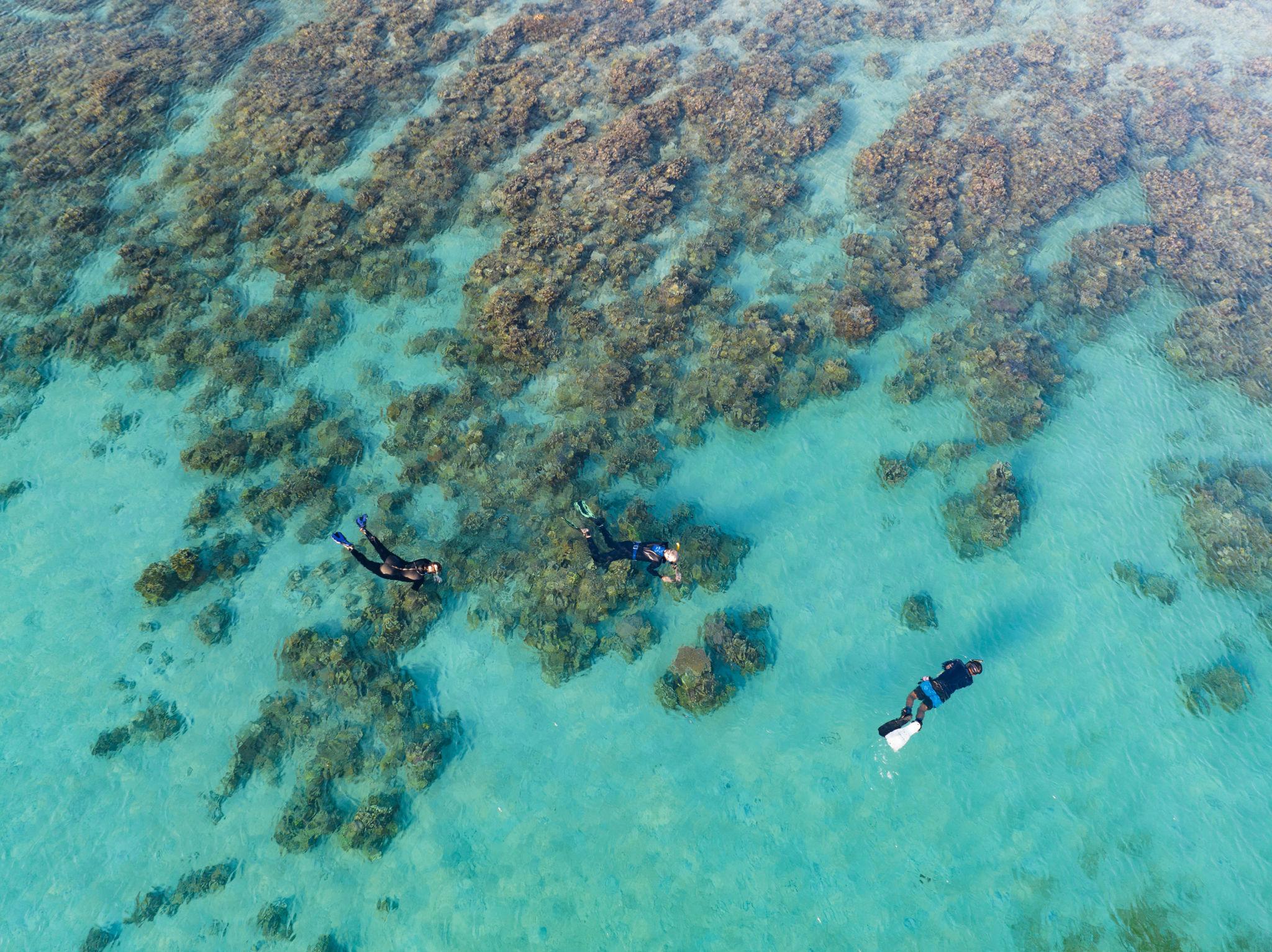
Unlike deep ocean environments that require scuba diving certification, many sections of the reef remain shallow and easily accessible. Snorkelers can float above coral gardens only a few meters below the surface.
This accessibility makes The Ultimate Guide to Snorkeling in the Great Barrier Reef especially valuable for beginners and experienced ocean explorers alike.
Best Departure Points for Snorkeling Adventures

Gateway Cities to the Reef
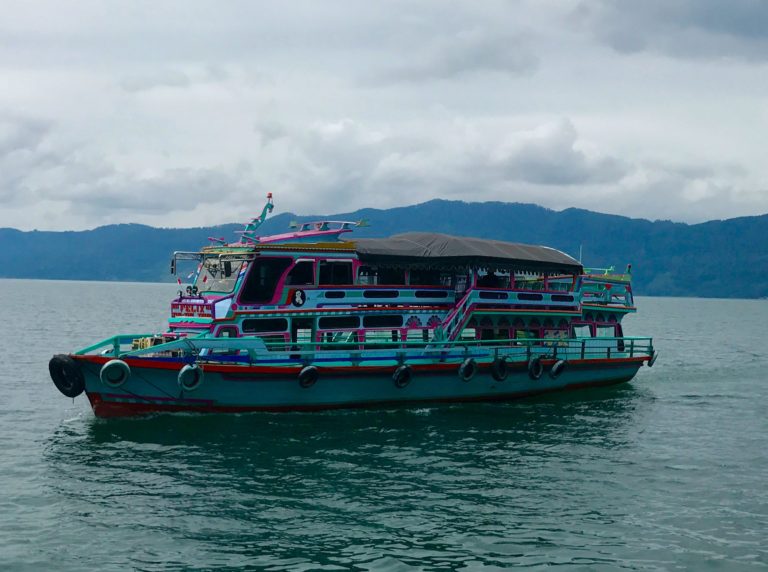
Several coastal towns serve as launch points for snorkeling tours. Among the most popular are Cairns and Port Douglas. Tour boats depart daily from these locations, transporting visitors to outer reef sites where coral health remains vibrant.
Further south, the Whitsunday Islands provide another spectacular snorkeling region with clear water and white sand beaches.
Choosing Outer Reef Locations
Outer reef sites often deliver better water clarity and coral diversity compared with inner reef areas closer to the mainland. Professional tour operators guide visitors to carefully selected locations with thriving marine life.
Selecting the right departure point plays a major role in applying The Ultimate Guide to Snorkeling in the Great Barrier Reef successfully.
Marine Life You Can Encounter

Coral Ecosystems and Colorful Fish
The reef hosts over 1,500 species of fish. Snorkelers frequently encounter parrotfish grazing on coral, clownfish darting through anemones, and schools of brightly colored reef fish moving together in coordinated patterns.
Coral formations themselves create a living architecture beneath the water. Branching corals, plate corals, and brain corals form structures that shelter marine life.
Larger Ocean Creatures
Sea turtles glide gracefully through reef channels. Reef sharks patrol deeper areas. During certain seasons, snorkelers may even spot manta rays or migrating whales in the distance.
Witnessing this biodiversity defines the magic of The Ultimate Guide to Snorkeling in the Great Barrier Reef.
Essential Gear for Snorkeling

Basic Equipment
Snorkeling requires relatively simple equipment. A mask provides clear underwater vision. A snorkel allows breathing while floating face-down. Fins help swimmers move efficiently through the water.
Most tour operators provide this equipment, but experienced snorkelers often prefer bringing their own mask for a better fit.
Additional Comfort and Safety Gear
Many visitors wear lightweight wetsuits or stinger suits to protect against sun exposure and occasional jellyfish. Flotation vests help beginners relax while observing marine life.
Choosing proper equipment represents a key principle within The Ultimate Guide to Snorkeling in the Great Barrier Reef.
Best Time of Year to Snorkel
Ideal Weather and Water Conditions
The reef experiences tropical conditions throughout the year, but many travelers prefer visiting between May and October. During this period, rainfall decreases and ocean visibility improves.
Summer months bring warmer water but also increased humidity and occasional storms.
Seasonal Wildlife Encounters
Different seasons highlight different marine experiences. Whale migrations often occur between June and September, while coral spawning events sometimes occur later in the year.
Understanding seasonal patterns enhances your experience with The Ultimate Guide to Snorkeling in the Great Barrier Reef.
Responsible Snorkeling and Reef Protection
The reef remains fragile despite its immense size. Responsible snorkeling practices help preserve this ecosystem for future generations.
Avoid touching coral, which can damage delicate structures. Maintain safe distances from marine life and follow instructions from professional guides. Reef-safe sunscreen also reduces environmental impact.
These practices form a critical component of The Ultimate Guide to Snorkeling in the Great Barrier Reef.
Preparing for Your First Reef Adventure
Before entering the water, tour guides usually provide safety briefings. They explain currents, entry points, and recommended snorkeling zones.
First-time snorkelers should practice breathing calmly through the snorkel while floating near the boat or beach. Relaxation helps conserve energy and improves observation of marine life.
Good preparation ensures that The Ultimate Guide to Snorkeling in the Great Barrier Reef becomes a smooth and enjoyable experience.
Conclusion
The Ultimate Guide to Snorkeling in the Great Barrier Reef demonstrates that this world-famous ecosystem offers one of the most accessible and rewarding underwater adventures on Earth. With vibrant coral gardens, extraordinary marine life, and clear tropical waters, the reef provides unforgettable encounters just beneath the ocean surface.
From choosing the right departure city to understanding seasonal conditions and practicing responsible snorkeling, preparation shapes the experience. Travelers who approach the reef with curiosity and respect gain a deeper appreciation for one of nature’s greatest masterpieces.
For anyone who dreams of exploring life beneath the sea, The Ultimate Guide to Snorkeling in the Great Barrier Reef opens the door to an underwater world that continues to inspire scientists, explorers, and travelers alike.