Why Uluru is the Spiritual Heart of the Australian Outback and a Sacred Landscape That Defines Australia
Why Uluru is the Spiritual Heart of the Australian Outback becomes clear the moment the enormous sandstone monolith rises from the desert horizon. In the vast red landscape of central Australia, Uluru stands alone yet commands the entire environment around it. Travelers often describe their first sight of the rock as emotional, even spiritual. The silence of the desert, the changing colors of the stone, and the deep cultural meaning attached to the site create an experience that goes far beyond sightseeing.
Located within Uluru-Kata Tjuta National Park, Uluru rises roughly 348 meters above the surrounding desert plain. While its physical presence impresses visitors immediately, its deeper importance lies within thousands of years of Aboriginal culture and storytelling.
Understanding Why Uluru is the Spiritual Heart of the Australian Outback requires looking beyond geology. It means exploring the traditions of the Anangu people, the sacred Dreamtime stories connected to the land, and the powerful connection between culture and nature that still defines this place today.
The Geological Wonder of Uluru
A Monolith Rising From the Desert
Uluru appears almost surreal against the flat desert landscape of Australia’s Northern Territory. The formation consists of arkose sandstone that formed hundreds of millions of years ago when ancient mountain ranges eroded and sediments settled across inland basins.
Over immense geological time, wind and weather shaped the rock into its current form. Although Uluru looks like a single massive stone, most of its structure lies hidden beneath the ground. Scientists estimate that the visible rock represents only a fraction of the entire formation.
Color Changes Throughout the Day
Visitors quickly notice how dramatically Uluru changes color as sunlight shifts. At sunrise, the rock glows with soft pink tones. By midday it reflects warm orange hues. During sunset the surface turns deep crimson before fading into purple shadows.
These transformations reinforce Why Uluru is the Spiritual Heart of the Australian Outback, because they create a sense of living movement within an otherwise quiet desert landscape.
Cultural Significance to the Anangu People

The Traditional Owners of Uluru
The Anangu people have lived in the region for tens of thousands of years. For them, Uluru represents far more than a natural landmark. The rock forms part of a spiritual and cultural landscape shaped by ancestral beings during the Dreamtime.
Dreamtime stories describe how powerful ancestors created the land, animals, and laws that guide life today. These stories connect directly to specific features of Uluru, including caves, cracks, and rock formations.
Sacred Sites and Stories
Many areas around Uluru hold sacred significance. Certain caves contain ancient rock art that tells stories about ancestral journeys. Other locations mark important ceremonial grounds.
Respect for these sites remains essential. Visitors often learn about these traditions through guided cultural tours led by Anangu interpreters. These experiences deepen understanding of Why Uluru is the Spiritual Heart of the Australian Outback.
Experiencing Uluru Through Walking Trails

The Uluru Base Walk
One of the best ways to experience Uluru involves walking around its base. The full circuit spans roughly ten kilometers and reveals dramatic textures, waterholes, and desert vegetation.
As travelers walk slowly around the rock, they notice details invisible from a distance. Deep grooves mark erosion patterns, while shaded caves reveal ancient art and cultural history.
Observing the Desert Ecosystem
The surrounding desert may appear empty at first glance, but life thrives here. Kangaroos, lizards, birds, and resilient desert plants adapt to the harsh climate.
Walking the landscape reinforces Why Uluru is the Spiritual Heart of the Australian Outback, because it shows how culture and environment coexist within a delicate ecosystem.
Sunrise and Sunset The Most Powerful Moments
Sunrise Over the Desert
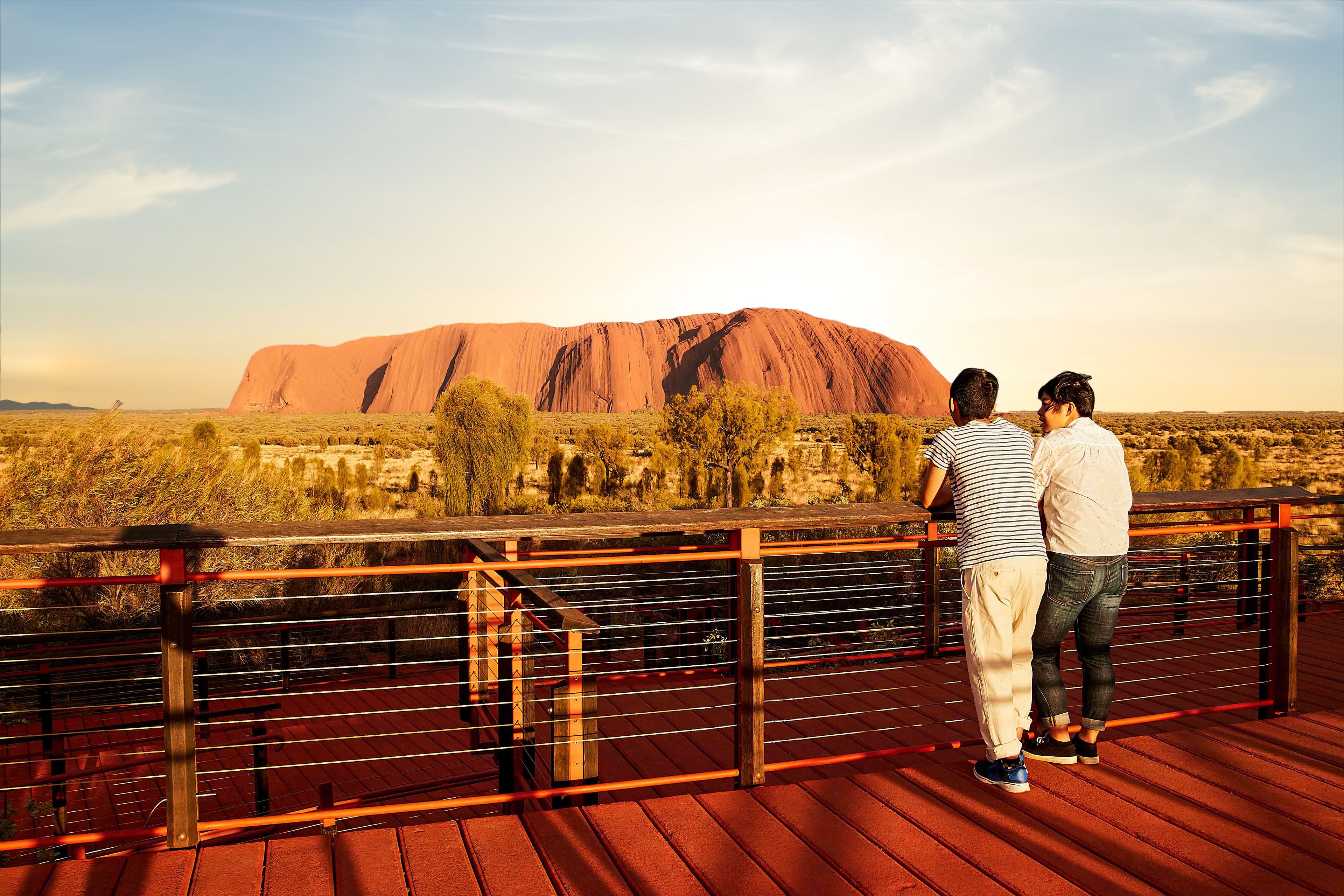
Many visitors wake before dawn to watch the sun rise over Uluru. As the first light touches the rock, the landscape shifts from dark silhouettes to glowing reds and oranges. Silence often fills the viewing areas as travelers absorb the moment.
Sunset’s Dramatic Transformation
Sunset produces an equally dramatic experience. The rock intensifies into deep crimson tones before gradually fading into dusk.
These daily transformations explain part of Why Uluru is the Spiritual Heart of the Australian Outback. Nature itself performs a quiet ritual every day.
The Nearby Wonders of Kata Tjuta

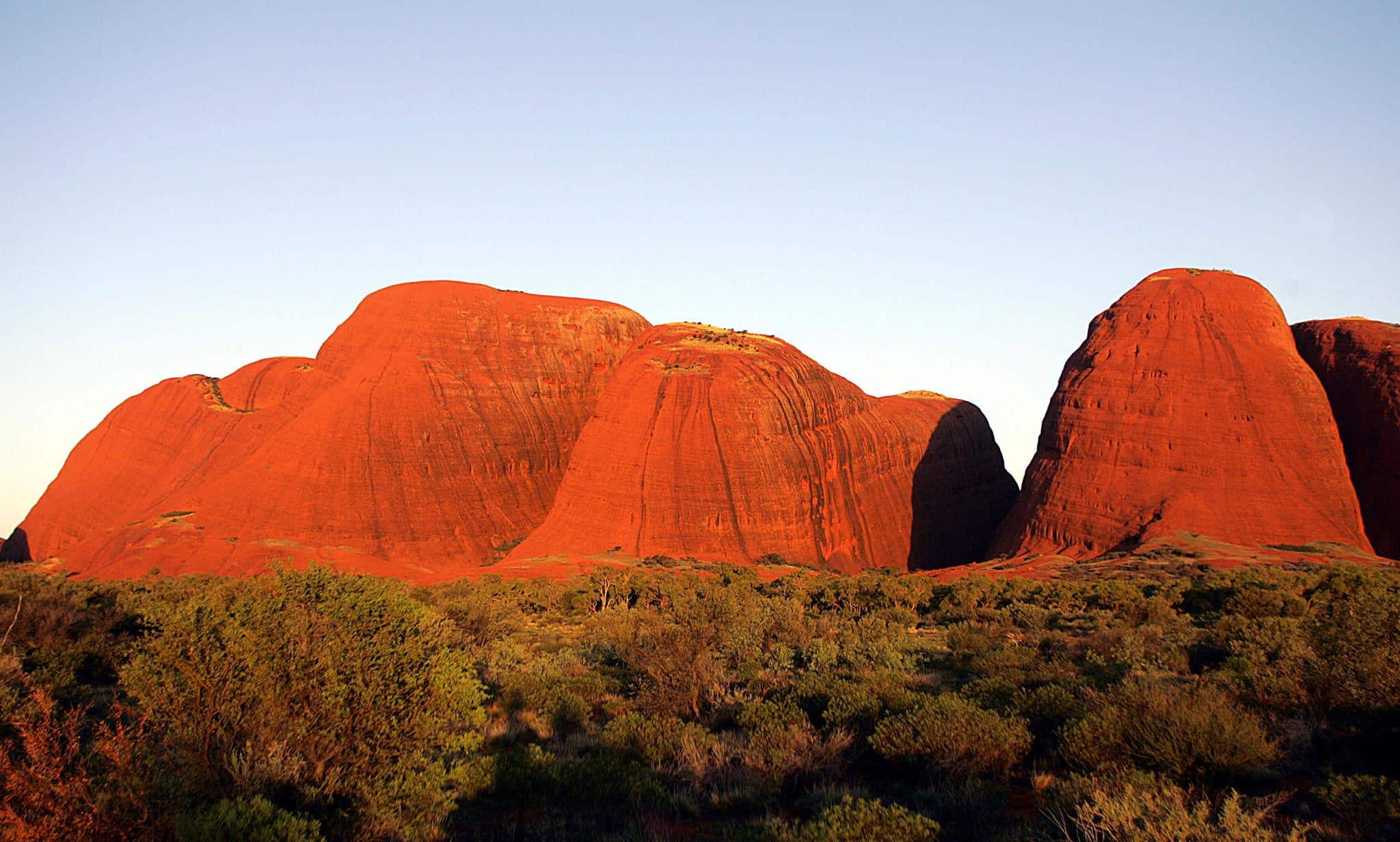
Not far from Uluru stands another remarkable formation known as Kata Tjuta. Unlike the single monolith of Uluru, Kata Tjuta consists of a group of massive rock domes.
The name means “many heads” in the local Pitjantjatjara language. These domes hold deep cultural meaning for the Anangu people.
Hiking the Valley of the Winds
The Valley of the Winds walking trail winds through towering rock formations and desert valleys. Strong winds often sweep through the area, creating dramatic scenery and powerful perspectives.
Together with Uluru, Kata Tjuta strengthens the cultural and spiritual importance of the entire region.
Respecting Cultural Traditions
For many years visitors climbed Uluru despite requests from the Anangu people to respect its sacred nature. In 2019, authorities permanently closed the climbing route out of respect for traditional owners.
Today visitors focus on walking trails, cultural education, and landscape appreciation. This change represents an important step in honoring Indigenous heritage.
Respecting these traditions deepens understanding of Why Uluru is the Spiritual Heart of the Australian Outback.
Practical Tips for Visiting Uluru
Travelers typically reach Uluru through Yulara, a small resort town near the national park. Flights connect through Alice Springs or major Australian cities.
Visitors should prepare for desert conditions by bringing water, sun protection, and comfortable walking shoes. Early morning and late afternoon provide the most comfortable temperatures and the most dramatic lighting.
Guided cultural tours offer deeper insight into the land’s history and traditions.
Conclusion
Why Uluru is the Spiritual Heart of the Australian Outback extends far beyond the physical beauty of a giant red rock rising from the desert. Uluru represents a living cultural landscape where geology, spirituality, and Indigenous tradition intersect.
For the Anangu people, the rock holds stories passed down for thousands of years. For visitors, the experience often becomes deeply emotional, shaped by silence, color, and scale.
Standing before Uluru at sunrise or sunset reminds travelers that some places hold meaning that cannot be measured by photographs alone. That enduring connection between land, culture, and spirit ultimately explains Why Uluru is the Spiritual Heart of the Australian Outback.