Why London’s Free Museums are the Best in the World and Redefine Cultural Access for Everyone
Why London’s Free Museums are the Best in the World becomes obvious the moment you step through their grand entrances without reaching for your wallet. In a city known for royal palaces, West End theatre, and iconic landmarks, some of its greatest treasures cost absolutely nothing to experience. London invites you to stand inches away from ancient artifacts, Renaissance masterpieces, and scientific breakthroughs—without charging an entry fee.
Many global cities boast impressive museums, but ticket prices often limit access. London takes a different approach. The UK government supports major national museums so they can open their doors freely to the public. That policy transforms cultural exploration into a shared civic experience rather than a luxury purchase.
Understanding why London’s free museums are the best in the world requires walking through their halls, observing their scale, and witnessing the diversity of people who gather there. Families, students, tourists, researchers, and residents mingle beneath soaring ceilings, united by curiosity rather than cost.
A Collection That Spans Civilizations at the British Museum

The British Museum houses artifacts from across continents and centuries. Visitors encounter the Rosetta Stone, Egyptian mummies, Assyrian reliefs, and classical Greek sculptures within a single afternoon. The Great Court’s glass roof floods the interior with natural light, creating an atmosphere that feels both monumental and welcoming.
Unlike institutions that charge premium admission for such global collections, the British Museum offers entry without a fee. This openness strengthens the argument for why London’s free museums are the best in the world.
Encouraging Curiosity Without Barriers
Students sketch statues. Travelers linger over Mesopotamian tablets. Researchers study inscriptions closely. The absence of an entrance charge encourages repeat visits. You don’t feel pressure to “see everything” in one expensive day. You can return, explore slowly, and build a deeper understanding over time.
Artistic Mastery at the National Gallery

The National Gallery overlooks Trafalgar Square and houses works by Van Gogh, Turner, da Vinci, and Rembrandt. Visitors walk from bustling streets into quiet galleries where brushstrokes reveal centuries of artistic evolution.
Standing before Van Gogh’s “Sunflowers” or Turner’s luminous seascapes costs nothing. This accessibility redefines public engagement with art.
A Democratic Art Experience
In many countries, viewing world-famous paintings requires significant ticket purchases. In London, anyone can step inside on a lunch break. Office workers pause between meetings. Tourists wander in after exploring nearby landmarks. The museum integrates seamlessly into everyday city life.
This seamless access explains part of why London’s free museums are the best in the world.
Innovation and Imagination at the Science Museum

Interactive Learning for All Ages
The Science Museum transforms complex discoveries into engaging experiences. Visitors see the Apollo 10 command module, early steam engines, and modern medical technologies. Children experiment with hands-on exhibits while adults dive into the history of innovation.
The museum invites active participation rather than passive observation. Families can spend hours exploring without worrying about admission costs.
Inspiring Future Generations
When access remains free, schools can organize frequent educational trips. Young visitors encounter real artifacts that shaped human progress. This environment fosters curiosity and ambition.
Such accessibility strengthens the claim behind why London’s free museums are the best in the world.
Natural Wonders at the Natural History Museum
Awe Beneath Gothic Arches
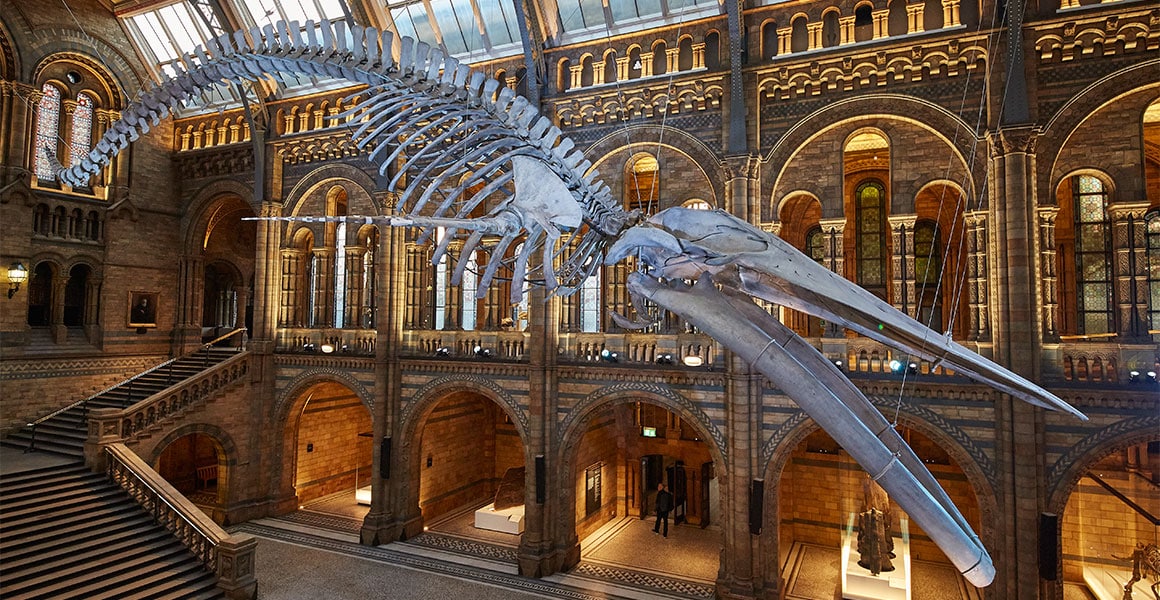
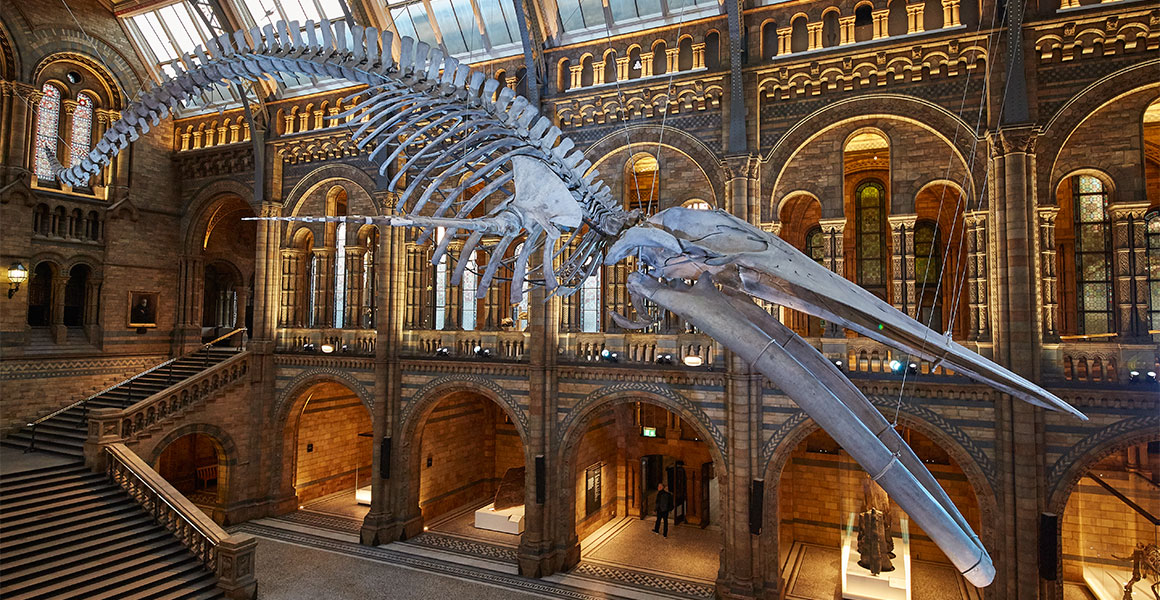
The Natural History Museum’s architecture rivals a cathedral. Inside, a suspended blue whale skeleton greets visitors in Hintze Hall. Dinosaur fossils tower over excited children.
The museum combines spectacle with scientific rigor. Exhibits trace Earth’s formation, biodiversity, and climate change, offering immersive education for all ages.
Access to Science Without Financial Barriers
Natural history museums elsewhere often charge high entry fees. London’s approach ensures that knowledge about our planet remains open to everyone. That philosophy reinforces why London’s free museums are the best in the world.
Design and Everyday Creativity at the Victoria and Albert Museum

The Victoria and Albert Museum, often called the V&A, explores design in fashion, furniture, photography, and decorative arts. Its collections reveal how creativity shapes everyday objects.
Visitors wander through galleries showcasing historic garments, intricate ceramics, and contemporary installations. The museum connects high art with daily living.
Cultural Depth Without Cost
By removing entry fees, the V&A encourages visitors to view design as accessible rather than elite. Students studying fashion or architecture can return repeatedly for inspiration.
This inclusive spirit further clarifies why London’s free museums are the best in the world.
A Cultural Policy That Shapes Identity
London’s free museum model reflects national commitment to cultural accessibility. Government funding supports core operations, while donations and special exhibitions supplement revenue. This system ensures stability while maintaining open access.
Free admission cultivates civic pride. Residents view museums as shared spaces rather than exclusive institutions. Tourists benefit, but locals sustain daily engagement.
When travelers ask why London’s free museums are the best in the world, the answer extends beyond collections. It lies in philosophy.
Practical Tips for Visiting
Arrive early to avoid peak crowds, especially during school holidays. Consider booking free timed-entry tickets online for popular museums. Allocate several hours per visit, as galleries span vast areas.
Donations remain optional but appreciated. Supporting museums voluntarily helps sustain their open model.
Conclusion
Why London’s Free Museums are the Best in the World rests on a simple yet powerful idea: culture belongs to everyone. From ancient civilizations at the British Museum to artistic masterpieces at the National Gallery, from scientific breakthroughs at the Science Museum to natural wonders at the Natural History Museum and design excellence at the V&A, London offers unparalleled access without financial barriers.
Few cities combine global collections, architectural grandeur, and public accessibility so seamlessly. Visitors do not measure their experience by ticket price. They measure it by inspiration, knowledge, and wonder.
In an era when access often depends on budget, London stands apart. That distinction ultimately explains why London’s free museums are the best in the world.