Sydney Opera House Tour Guide Exploring the Architecture, History, and Cultural Heart of Australia’s Most Famous Landmark
A Sydney Opera House Tour offers far more than a simple sightseeing experience. Visitors step into one of the most recognizable buildings in the world, a place where architecture, music, theater, and national identity intersect. Rising beside the sparkling waters of Sydney Harbour, the iconic white sails of the Sydney Opera House have become a global symbol of Australia.
Millions of travelers photograph the building from the outside every year, yet the real story begins once you walk through its doors. Inside, visitors discover a complex network of performance halls, rehearsal spaces, and backstage areas where artists bring concerts, opera productions, and theatrical performances to life.
Understanding a Sydney Opera House Tour means exploring the building’s dramatic architectural story, learning about the creative vision behind its design, and discovering how the venue continues to shape Australia’s cultural life.
The Architectural Vision Behind the Opera House

The Sydney Opera House began as a bold architectural experiment in the mid-20th century. Danish architect Jørn Utzon won an international design competition in 1957 with a revolutionary concept inspired by the shapes of sails, shells, and natural forms.
Utzon envisioned a structure that would rise organically from the harbor, echoing the movement of ships and ocean waves. His design stood out immediately because it rejected traditional rectangular buildings in favor of curved, sculptural geometry.
The result created one of the most distinctive silhouettes in modern architecture.
A Challenging Construction Journey
Transforming Utzon’s vision into reality proved far more complicated than planners expected. Engineers had never constructed structures like the Opera House’s shell-shaped roofs before.
Construction began in 1959 and lasted more than a decade. Engineers developed innovative techniques to build the massive precast concrete shells that form the roof structure.
When the building finally opened in 1973, it had already become a landmark recognized around the world.
Exploring the Interior Performance Spaces

The Concert Hall
During a Sydney Opera House Tour, visitors often step inside the magnificent Concert Hall, the largest performance space in the building. The hall hosts orchestral concerts, symphonies, and international music events.
The room’s wooden interior panels enhance acoustics while creating a warm visual atmosphere. One of its most famous features is the enormous pipe organ that towers above the stage.
The Joan Sutherland Theatre
Another highlight of the tour includes the Joan Sutherland Theatre, named after Australia’s legendary opera singer Joan Sutherland.
This theater hosts opera productions and ballet performances. Elaborate stage machinery allows designers to create complex scenery changes during performances.
Visitors quickly realize that the Opera House functions as a sophisticated performance hub rather than a single theater.
The Cultural Importance of the Opera House

A Global Cultural Icon
Since its opening, the Sydney Opera House has hosted thousands of concerts, plays, and cultural events. Artists from around the world perform here, making the venue one of the most important performing arts centers in the Southern Hemisphere.
The building gained additional recognition when UNESCO listed it as a World Heritage Site in 2007.
This recognition confirms the Opera House as both an architectural masterpiece and a cultural treasure.
Festivals and Celebrations
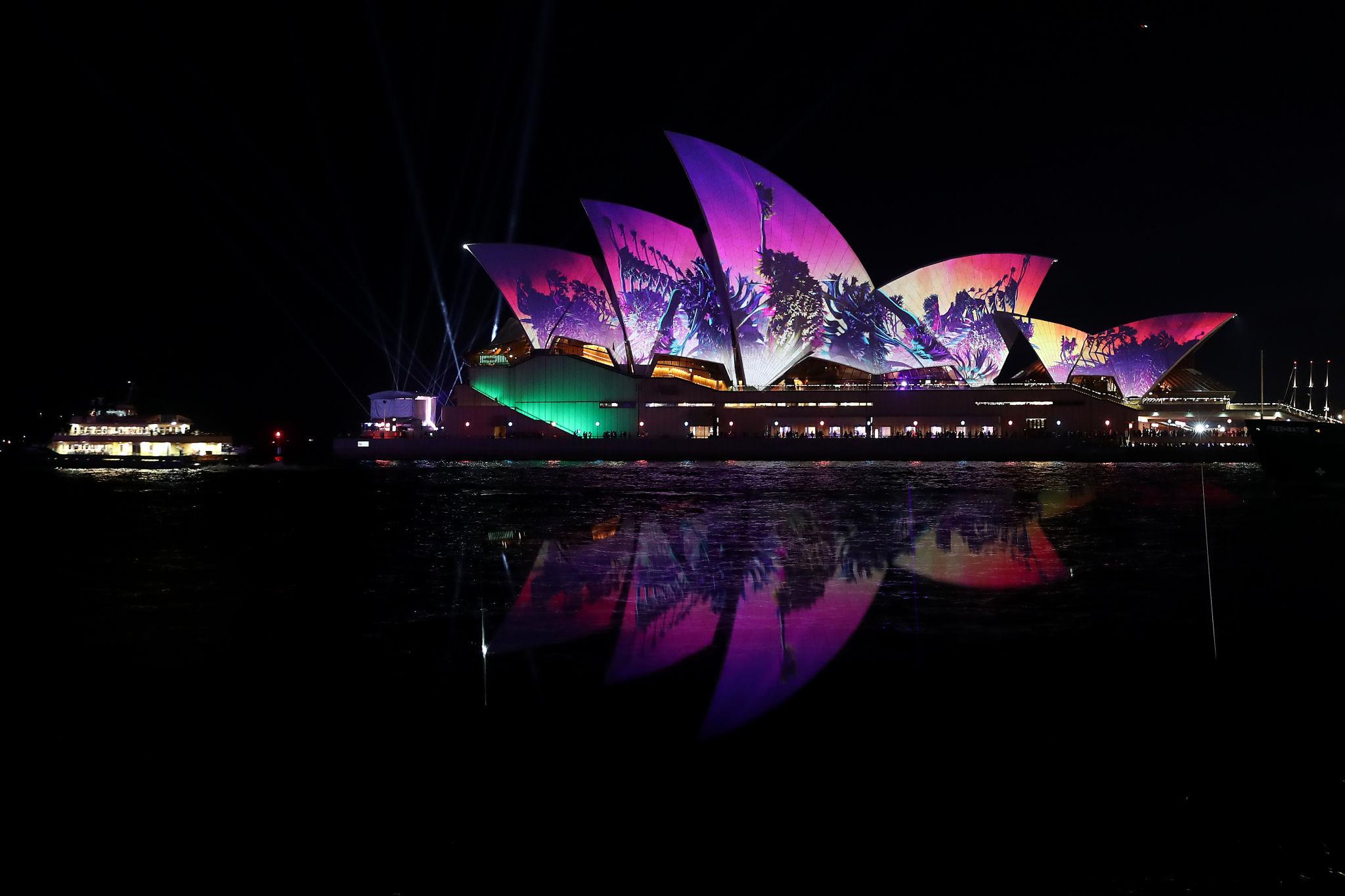
The Opera House also plays a major role in public events across Sydney. Festivals such as Vivid Sydney transform the building’s sails into massive projection screens displaying colorful digital art.
These events demonstrate how the building continues evolving as a cultural symbol.
What Happens During a Guided Tour
Behind the Scenes Access
A Sydney Opera House Tour allows visitors to explore areas that remain inaccessible during performances. Guides lead groups through rehearsal spaces, backstage corridors, and viewing balconies.
Along the way, guides share stories about famous performers who appeared on the Opera House stages.
Stories from the Stage
Tour guides often describe memorable moments in the building’s history. Legendary musicians, international orchestras, and renowned actors have performed here.
These stories help visitors understand how the Opera House contributes to global performing arts culture.
Visiting the Opera House and Surrounding Harbour
The Opera House sits on Bennelong Point, surrounded by the waters of Sydney Harbour. Visitors often combine their Sydney Opera House Tour with a walk along the harbor promenade.
Nearby attractions include the famous Sydney Harbour Bridge and the historic waterfront district known as Circular Quay.
Restaurants and cafés around the Opera House provide excellent views of the harbor skyline.
Best Time to Visit the Opera House
Morning tours often provide quieter experiences before large crowds arrive. Afternoon visits allow travelers to enjoy harbor views with bright sunlight reflecting off the building’s ceramic tiles.
Evening visits create a completely different atmosphere. As the sun sets, lights illuminate the Opera House and surrounding skyline, transforming the harbor into a glowing waterfront scene.
Each time of day reveals a different side of the landmark.
Conclusion
A Sydney Opera House Tour offers an immersive journey through architecture, music, and cultural history. From the visionary design of Jørn Utzon to the vibrant performances that continue today, the Opera House represents far more than a famous building.
Visitors who explore its halls discover how creativity, engineering, and artistic ambition combined to create one of the world’s most recognizable landmarks.
Standing beside the waters of Sydney Harbour, the Opera House continues inspiring travelers, artists, and architects alike. Experiencing a Sydney Opera House Tour allows visitors to see beyond the iconic sails and appreciate the living cultural heart within one of Australia’s greatest symbols.