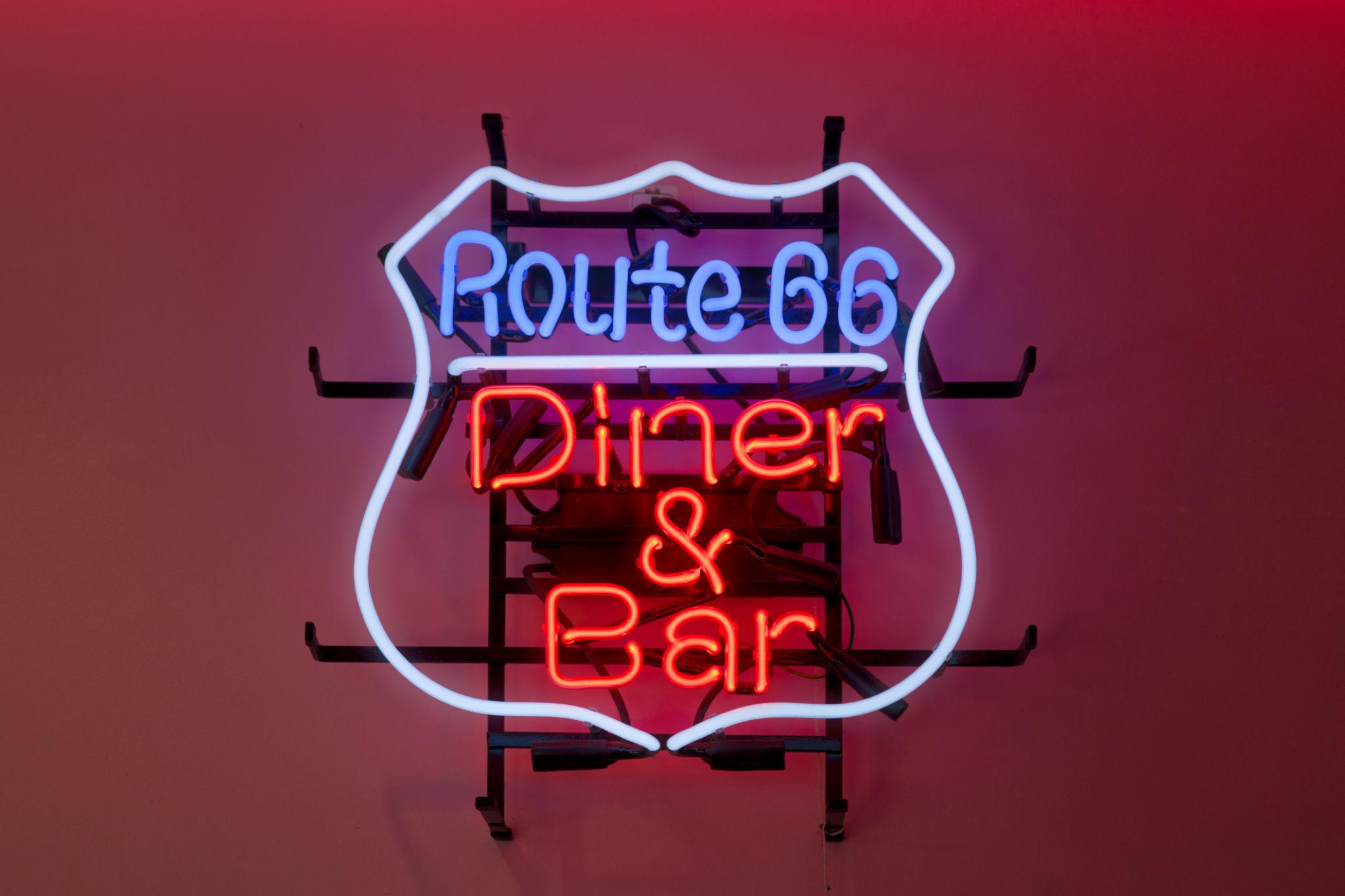
Route 66 Retro Diners Discover Classic American Roadside Restaurants Along the Mother Road
Route 66 retro diners represent far more than roadside restaurants. They embody a nostalgic slice of American culture that continues to attract travelers from around the world. When drivers cruise along the historic highway known as Route 66—often called the “Mother Road”—they encounter glowing neon signs, chrome-trimmed counters, jukebox music, and the aroma of freshly grilled burgers drifting through open doors.
Route 66 once connected the Midwest to the Pacific Coast, stretching from Chicago to Santa Monica. During the mid-20th century, millions of travelers stopped at small diners along the road for meals, coffee, and conversation. These diners became cultural landmarks where truck drivers, families, and adventurers shared stories of the road.
Today, many of those classic restaurants still operate. Some remain unchanged since the 1950s, while others carefully recreate vintage design. Exploring Route 66 retro diners allows travelers to experience American road trip culture exactly as it once felt—simple, welcoming, and filled with character.
The Golden Age of Route 66 Diners

During the mid-20th century, automobile travel reshaped the American landscape. Families began taking long-distance road trips, and businesses emerged along highways to serve these travelers. Diners became one of the most recognizable features of the journey.
Classic diners featured stainless-steel exteriors, colorful booths, and jukeboxes playing rock-and-roll music. Waitresses carried trays stacked with milkshakes, pancakes, and burgers.
The popularity of Route 66 retro diners grew rapidly during this period because they offered comfort and community for travelers crossing vast distances.
A Social Gathering Place
Diners did more than serve food. They created spaces where strangers shared tables, exchanged travel tips, and formed connections. Truck drivers discussed road conditions, families rested after long drives, and teenagers gathered for late-night milkshakes.
This social atmosphere helped diners become cultural icons of Route 66.
Legendary Stop Lou Mitchell’s

The Traditional Starting Point
Many Route 66 travelers begin their journey in Chicago, and Lou Mitchell’s has served as a legendary breakfast stop for decades. The restaurant opened in 1923 and quickly became a favorite among road trippers heading west.
Inside, the diner features vintage décor and a lively atmosphere. Staff often greet guests warmly while serving generous portions of pancakes, omelets, and freshly brewed coffee.
A Breakfast Tradition
Visitors often treat breakfast at Lou Mitchell’s as the ceremonial beginning of their Route 66 adventure. Eating here connects modern travelers with generations who once started their road trip at the same tables.
Experiences like this illustrate why Route 66 retro diners remain essential parts of the historic highway.
A Neon Landmark Rock Cafe
Built from Local Stone
The Rock Cafe in Stroud, Oklahoma opened in 1939 and gained fame as one of the most authentic surviving diners along Route 66. Builders constructed the restaurant using local stone from the original road construction.
The café later inspired the character Sally in Pixar’s film Cars, which celebrates Route 66 culture.
Classic Comfort Food
Inside, travelers find homemade pies, burgers, and traditional American comfort meals. Conversations often flow easily between visitors and locals.
Dining here adds personality and storytelling to the journey through Route 66 retro diners.
Desert Nostalgia at Mr. D’z Route 66 Diner
A Colorful Stop in Arizona
Mr. D’z Route 66 Diner in Kingman, Arizona brings classic 1950s style back to life with bright colors, vintage signs, and nostalgic decorations.
Visitors often arrive after long drives across the desert landscapes of the Southwest.
Milkshakes and Road Trip Energy
The diner specializes in thick milkshakes, burgers, and classic American diner dishes. The cheerful atmosphere reflects the playful spirit of roadside travel.
Locations like this demonstrate how Route 66 retro diners preserve the energy of mid-century road trips.
The Coastal Finale Mel’s Drive‑In
Celebrating the End of the Road
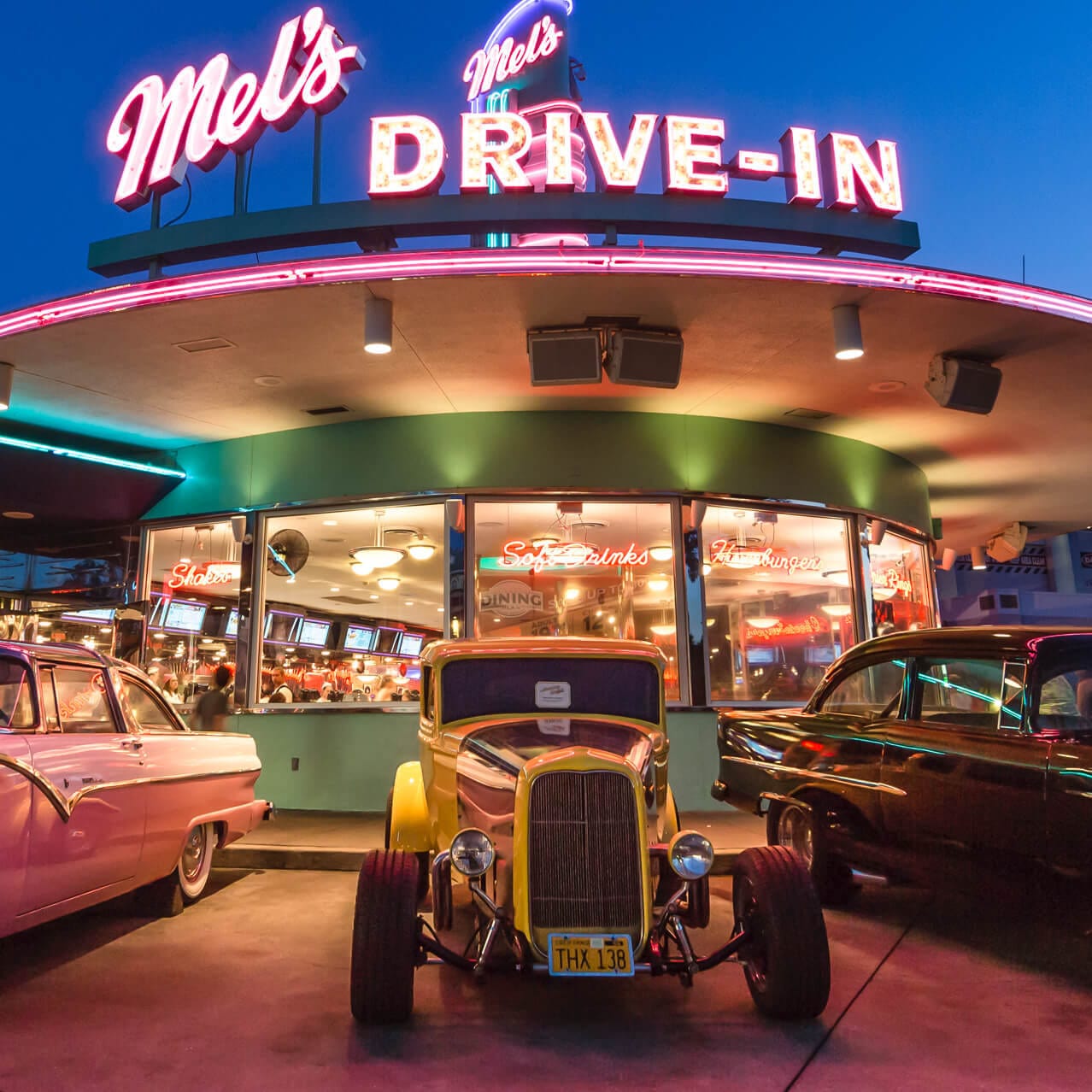
Near the western end of Route 66, Mel’s Drive-In represents classic California diner culture. The restaurant became famous through films and television appearances.
Travelers finishing their Route 66 journey often stop here to celebrate reaching the Pacific Coast.
Hollywood Meets Roadside America
The diner combines vintage design with modern energy. Visitors enjoy burgers, fries, and milkshakes while reflecting on the thousands of miles traveled across the country.
Ending a road trip here reinforces the cultural legacy of Route 66 retro diners.
Why Retro Diners Still Matter
Modern highways offer fast-food chains and convenience stores, yet retro diners remain special. They remind travelers that road trips once emphasized experience rather than speed.
Each diner preserves small details—chrome counters, vinyl booths, neon lights—that capture the spirit of the 1950s.
By visiting Route 66 retro diners, travelers step into a living museum of American road culture.
Planning a Route 66 Diner Road Trip
Driving the entire historic route requires careful planning. Many travelers spread the journey across one or two weeks, allowing time to explore small towns, roadside attractions, and historic restaurants.
Early mornings and late evenings provide the most atmospheric diner experiences, when neon lights glow and conversations feel relaxed.
Combining famous stops with lesser-known diners often creates the most memorable adventure.
Conclusion
Route 66 retro diners remain powerful symbols of American road trip culture. From Chicago breakfast counters to neon-lit cafés in desert towns and classic diners near the Pacific Ocean, each restaurant tells a story about travel, community, and nostalgia.
These diners offer more than meals. They offer moments where travelers slow down, share conversations, and experience the charm of the historic Mother Road.
Anyone who explores Route 66 retro diners quickly discovers that the magic of Route 66 lives not only in the road itself, but also in the welcoming booths and glowing neon signs that continue to guide travelers across America.