Hollywood Studio Behind Scenes Discover the Hidden World Where Movie Magic Comes to Life
The phrase Hollywood Studio Behind Scenes often sparks curiosity among movie lovers. When audiences watch a blockbuster film, they usually focus on the actors, dramatic storytelling, and breathtaking visual effects. However, behind every cinematic moment lies an enormous creative machine working quietly beyond the camera.
Hollywood studios operate like miniature cities dedicated entirely to filmmaking. Sound stages, costume departments, editing rooms, prop warehouses, and special effects workshops all function together to produce the movies audiences enjoy worldwide. Visitors who step into a studio environment quickly realize that filmmaking involves far more than actors performing on set.
Understanding the Hollywood Studio Behind Scenes experience reveals how directors, technicians, designers, and engineers collaborate to transform ideas into moving images. From constructing entire city streets indoors to designing digital worlds through computer graphics, studios combine art and technology in remarkable ways.
Exploring the behind-the-scenes world of Hollywood allows visitors to appreciate filmmaking not only as entertainment but also as a complex creative industry.
The Birthplace of Movie Production

Why Hollywood Became the Center of Film
Hollywood emerged as the heart of the film industry during the early 20th century. Filmmakers moved west from New York and other cities in search of better weather conditions and diverse landscapes for filming.
Southern California offered consistent sunshine, which proved essential before modern studio lighting became widespread. Nearby deserts, beaches, mountains, and urban streets provided natural backdrops for countless film productions.
Studios quickly expanded across the Los Angeles area, turning neighborhoods into production hubs. Today, iconic studios such as Universal Pictures and Warner Bros. continue to shape the global entertainment industry.
Understanding this history helps explain the development of the modern Hollywood Studio Behind Scenes culture.
Sound Stages Where Movies Come to Life
Massive Indoor Film Environments
Sound stages represent the heart of most Hollywood productions. These enormous indoor buildings contain customizable spaces where filmmakers construct detailed sets. Entire cities, futuristic spaceships, or historical castles often exist within these controlled environments.
Inside a sound stage, lighting crews carefully adjust artificial sunlight, while camera operators track actors across carefully designed sets. Directors monitor scenes from nearby control stations.
A visitor observing this process quickly understands that the Hollywood Studio Behind Scenes environment functions like a highly coordinated workshop.
Controlled Filming Conditions
Filming indoors offers important advantages. Crews control sound levels, lighting conditions, and weather interruptions. Rainstorms or nighttime scenes can be simulated easily inside the studio.
This level of control ensures consistency throughout production, especially when filming scenes that must match each other perfectly.
Backlots The Outdoor Movie Streets
Permanent Outdoor Film Sets
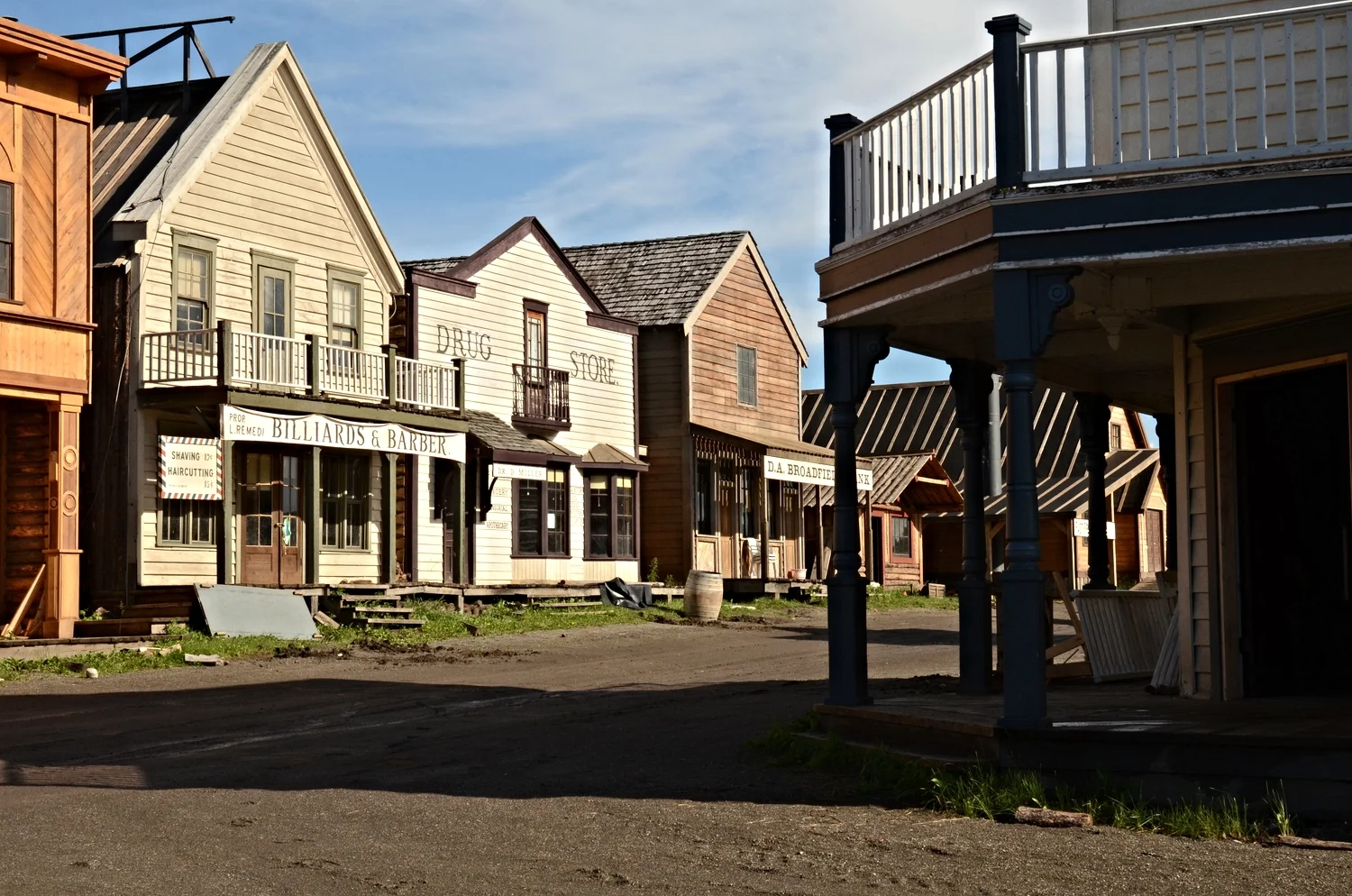
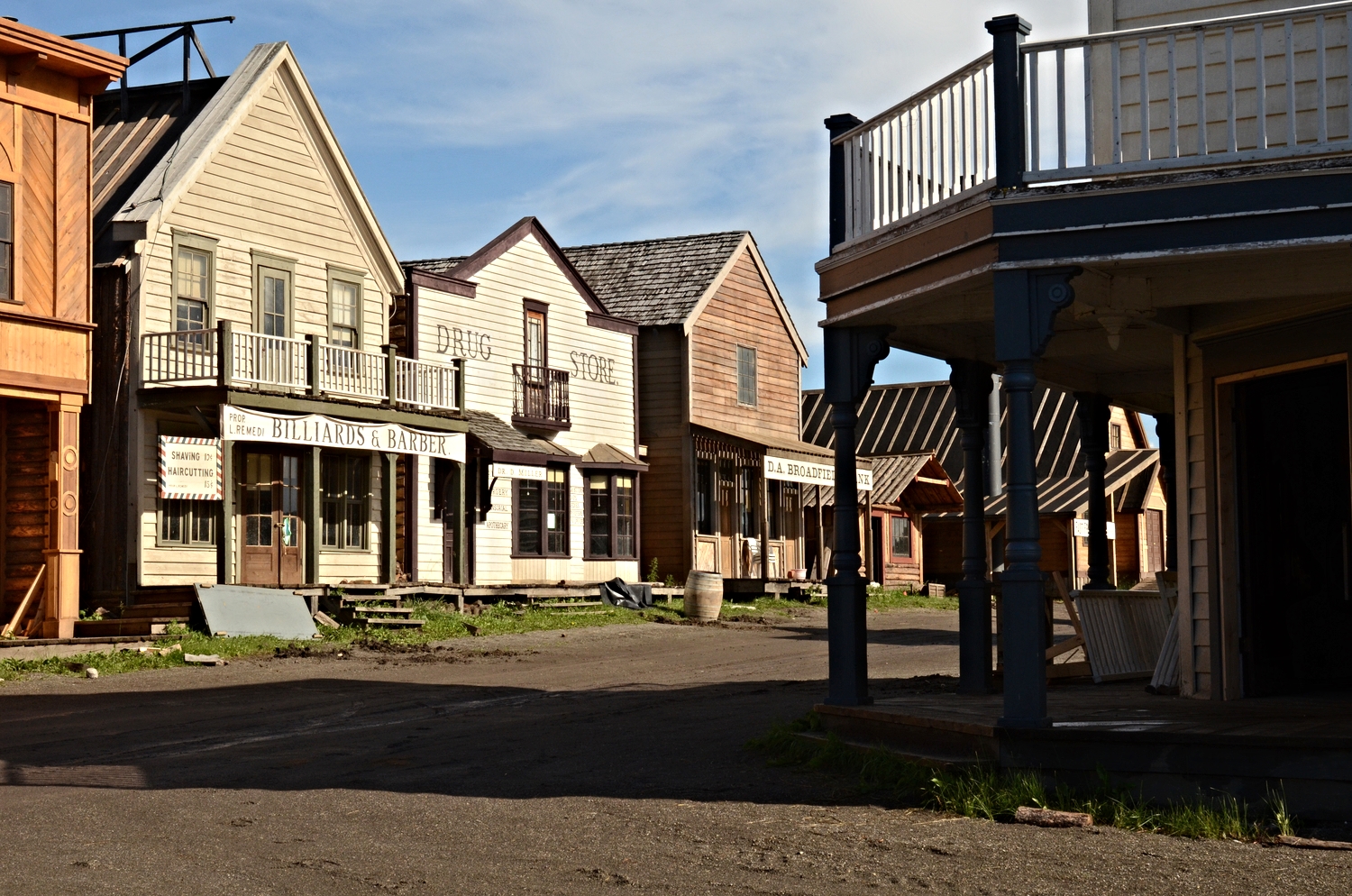
Many Hollywood studios maintain outdoor backlots designed to resemble real city streets. These sets often represent locations such as New York, European towns, or small American neighborhoods.
Although these streets look authentic on camera, they remain carefully constructed illusions. Building facades often hide empty interiors or simple support structures.
Visitors exploring these areas during a Hollywood Studio Behind Scenes tour often experience a strange realization: familiar movie locations exist only as carefully crafted stage environments.
Flexible Storytelling Spaces
Backlots allow filmmakers to recreate different cities without leaving California. With slight modifications to signage, lighting, and decoration, one street can represent multiple locations across different films.
This flexibility saves time and production costs while maintaining visual realism.
Special Effects and Visual Magic
Practical Effects on Set
Before digital technology transformed filmmaking, studios relied heavily on practical effects. Miniature models, mechanical rigs, and carefully timed explosions helped create dramatic scenes.
Today many productions still combine practical techniques with digital tools to achieve realistic results.
The Power of Digital Effects
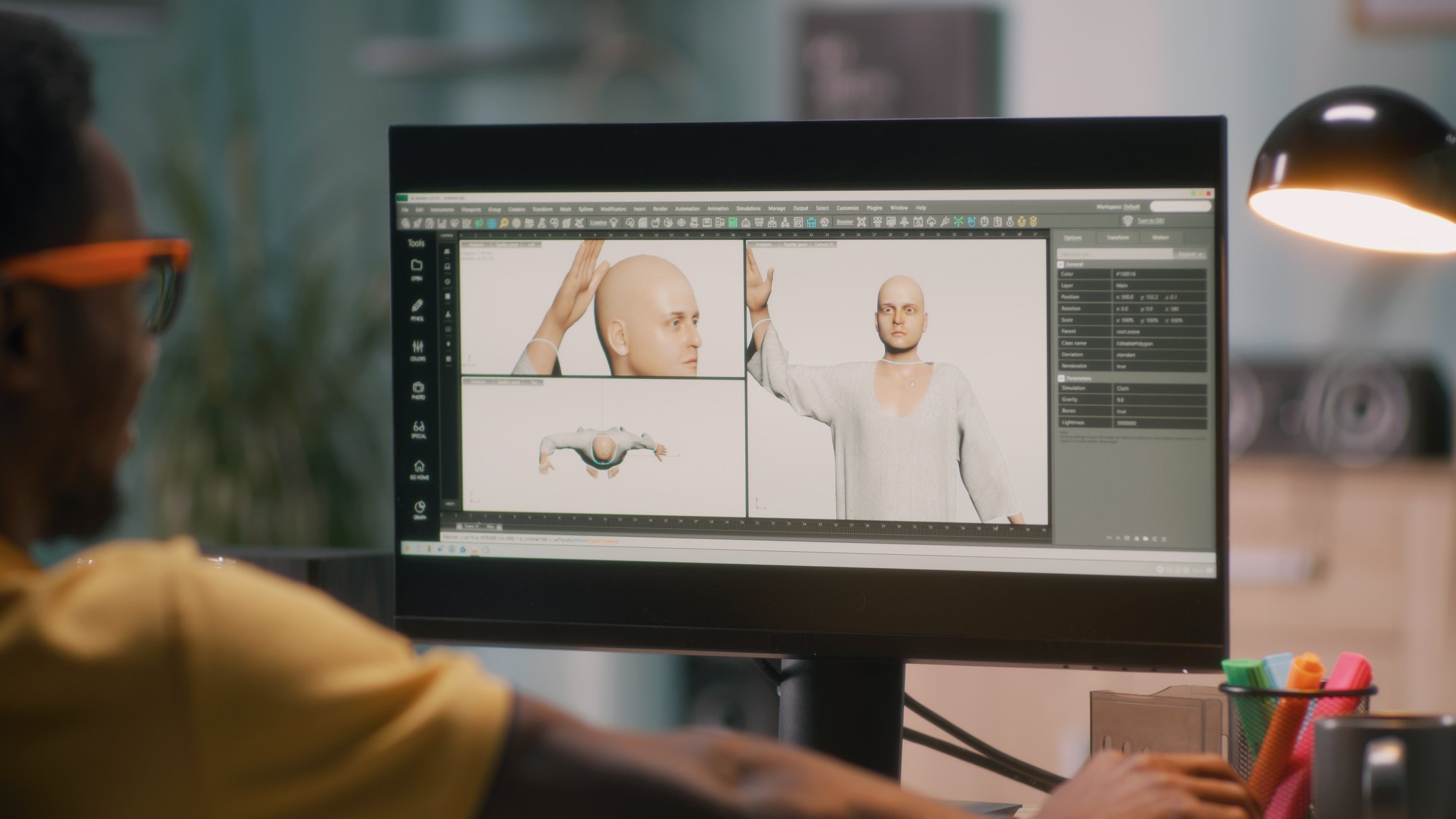
Modern visual effects artists use advanced computer software to create worlds that exist only in imagination. Green screen technology allows actors to perform in empty spaces while digital environments appear later during editing.
This process reveals another fascinating aspect of the Hollywood Studio Behind Scenes experience: the final movie often looks dramatically different from the raw footage captured during filming.
Costume, Makeup, and Character Design
Creating Believable Characters
Costume designers play a crucial role in shaping how characters appear on screen. Historical films require carefully researched clothing styles, while science fiction productions invent entirely new fashion concepts.
Wardrobe departments often maintain thousands of garments ready for use in different productions.
Transforming Actors Through Makeup
Makeup artists use prosthetics, paint, and digital reference materials to transform actors into heroes, villains, or mythical creatures. Complex character transformations may take several hours before filming begins.
These processes illustrate how creative craftsmanship defines the Hollywood Studio Behind Scenes world.
The Editing Room Where Stories Take Shape
Turning Footage Into Narrative
Filming a movie produces hundreds of hours of raw footage. Editors then assemble these pieces into a coherent narrative. This stage requires technical skill and storytelling intuition.
Editing teams decide how scenes flow together, which camera angles work best, and how music and sound effects enhance emotional impact.
Sound Design and Music
Sound designers add ambient noises, dialogue clarity, and dramatic sound effects. Composers then create musical scores that guide audience emotions during key moments.
These final steps demonstrate that filmmaking continues long after cameras stop rolling.
Experiencing a Studio Tour
Many visitors encounter the Hollywood Studio Behind Scenes environment through guided studio tours. Attractions such as the Warner Bros. Studio Tour Hollywood and Universal Studios Hollywood offer rare access to real film production environments.
Guests ride trams through backlots, explore prop warehouses, and sometimes watch active filming locations. These tours allow movie fans to see how the entertainment industry transforms imagination into reality.
Conclusion
The world of Hollywood Studio Behind Scenes reveals that filmmaking involves far more than glamorous premieres and famous actors. Behind every scene lies a vast network of artists, engineers, designers, and technicians working together to create cinematic stories.
From massive sound stages and intricate backlots to digital effects laboratories and costume workshops, Hollywood studios function as complex creative ecosystems.
For visitors and film enthusiasts alike, exploring the Hollywood Studio Behind Scenes environment offers a deeper appreciation for the artistry and teamwork required to bring movies to life.