
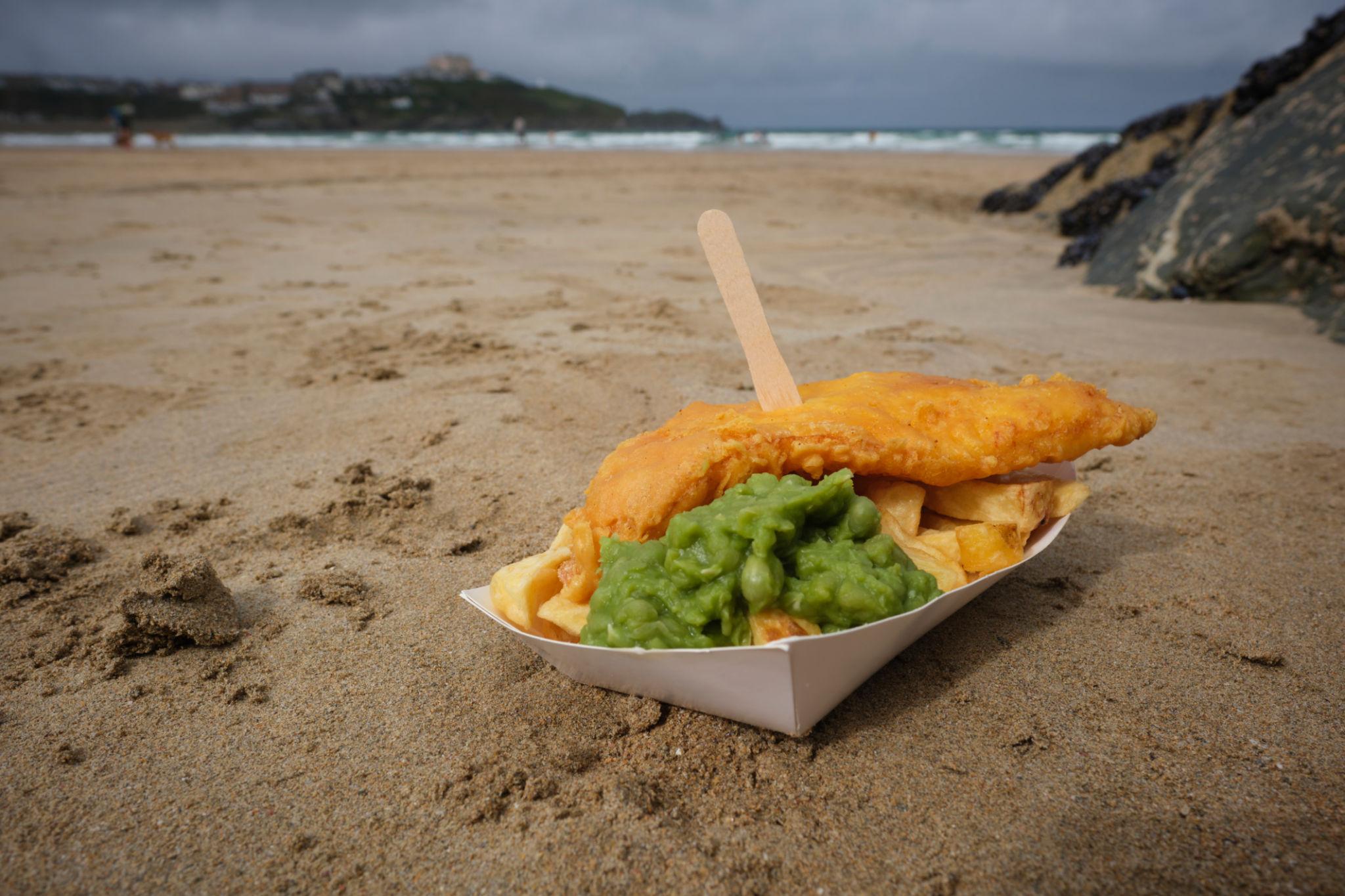
British Coastal Fish Chips A Seaside Culinary Tradition That Defines the British Coast
British Coastal Fish Chips capture the spirit of the British seaside more vividly than almost any other dish. The experience goes far beyond a simple meal. Travelers walk along breezy promenades while seagulls circle overhead, waves roll against pebble beaches, and the scent of freshly fried fish drifts from small takeaway shops near the harbor.
Across the United Kingdom, coastal towns have served fish and chips for more than a century. The dish combines two simple ingredients: battered white fish and thick-cut fried potatoes. Yet the cultural meaning attached to this meal transforms it into something much greater. Families eat it beside the sea after long beach walks. Visitors enjoy it while watching fishing boats return to harbor.
Understanding British Coastal Fish Chips requires seeing the connection between the dish and the maritime culture that surrounds it. Fishing communities supply the freshest seafood, while seaside towns preserve traditions that shape how this iconic meal appears on plates today.
The Origins of Fish and Chips in Britain

A Meeting of Culinary Traditions
Historians trace the origins of fish and chips to the nineteenth century. Fried fish already existed in British Jewish communities, while fried potatoes gained popularity in Europe. When these two foods combined, they created a meal that suited working-class families across industrial Britain.
The first fish and chip shops appeared in London and northern England during the 1800s. As railway networks expanded, travelers began visiting coastal towns more frequently. Seaside vendors quickly adopted the dish as a convenient takeaway meal for beach visitors.
Wrapped in Paper by the Sea
For decades, fish and chips came wrapped in newspaper. Vendors handed warm parcels to customers walking along piers or beaches. The paper kept the food hot while allowing steam to escape from the crisp batter.
Although modern food safety rules replaced newspapers with clean wrapping paper, the nostalgic image remains closely tied to British Coastal Fish Chips.
Why Coastal Towns Serve the Best Fish and Chips

Fresh Fish from Local Waters
Coastal towns often serve the freshest fish because fishing boats deliver daily catches directly to local markets. Popular fish choices include cod, haddock, and plaice. These species thrive in cold North Atlantic waters and provide firm, flavorful fillets ideal for frying.
When chefs prepare fish shortly after landing, the texture remains delicate while the batter crisps perfectly.
Famous Seaside Fish and Chip Destinations
Several British towns developed strong reputations for exceptional fish and chips. One notable destination is Whitby, a historic fishing port on England’s northeast coast. Restaurants here overlook the harbor where fishing vessels unload fresh catches each morning.
Another popular location is Brighton, where visitors enjoy fish and chips along the lively seaside promenade.
These towns illustrate why British Coastal Fish Chips often taste best near the ocean.
The Art of Perfect Fish and Chips

Crispy Batter and Flaky Fish
A great portion of fish and chips begins with fresh white fish coated in light batter made from flour and sparkling liquid such as beer or soda water. When the fish enters hot oil, the batter expands into a crisp golden shell.
Inside that shell, the fish remains tender and flaky.
Thick-Cut Chips
British chips differ from thin French fries. Chefs cut potatoes into thick strips and fry them until the outside becomes crisp while the interior stays soft and fluffy.
Salt and malt vinegar traditionally season the meal. Many diners also add mushy peas or tartar sauce.
These details define the flavor profile associated with British Coastal Fish Chips.
The Seaside Experience
Eating by the Ocean
The setting enhances the experience of fish and chips. Many travelers carry their meals to nearby benches, harbor walls, or beach steps. Waves crash gently against the shoreline while fishing boats drift across the horizon.
Seagulls often attempt to steal a chip or two, creating humorous moments that locals know well.
A Social Tradition
Families gather around seaside tables sharing food after a day at the beach. Couples watch sunsets while enjoying takeaway boxes. The relaxed atmosphere encourages conversation and laughter.
These simple moments transform British Coastal Fish Chips into a cultural ritual rather than just a meal.
Modern Variations and Culinary Creativity
Although traditional recipes remain popular, many coastal restaurants experiment with creative twists. Some chefs introduce alternative fish varieties or gluten-free batter. Others serve gourmet chips topped with herbs or specialty sauces.
Yet even as chefs innovate, they preserve the essential character of fish and chips: crispy fish, golden potatoes, and the unmistakable flavor of the sea.
Why Fish and Chips Remain a National Icon
Fish and chips symbolize British comfort food and maritime heritage. The dish gained particular importance during the twentieth century when it provided affordable nourishment during difficult economic periods and even wartime rationing.
Today it continues to represent everyday British culture. Visitors who taste fish and chips along the coast often remember the experience long after their trip ends.
Conclusion
British Coastal Fish Chips offer more than a famous dish. They provide a window into Britain’s seaside traditions, fishing culture, and culinary history. From historic ports like Whitby to lively beach towns such as Brighton, fish and chips remain a beloved part of coastal life.
Crispy battered fish, thick golden chips, and the tang of malt vinegar combine with ocean views and salty sea air to create an unforgettable meal.
For travelers exploring the United Kingdom’s coastline, tasting British Coastal Fish Chips stands as one of the most authentic ways to experience the spirit of the British seaside