Napa Valley Wine Tasting Discover World-Class Vineyards, Scenic Wineries, and Unforgettable California Wine Experiences
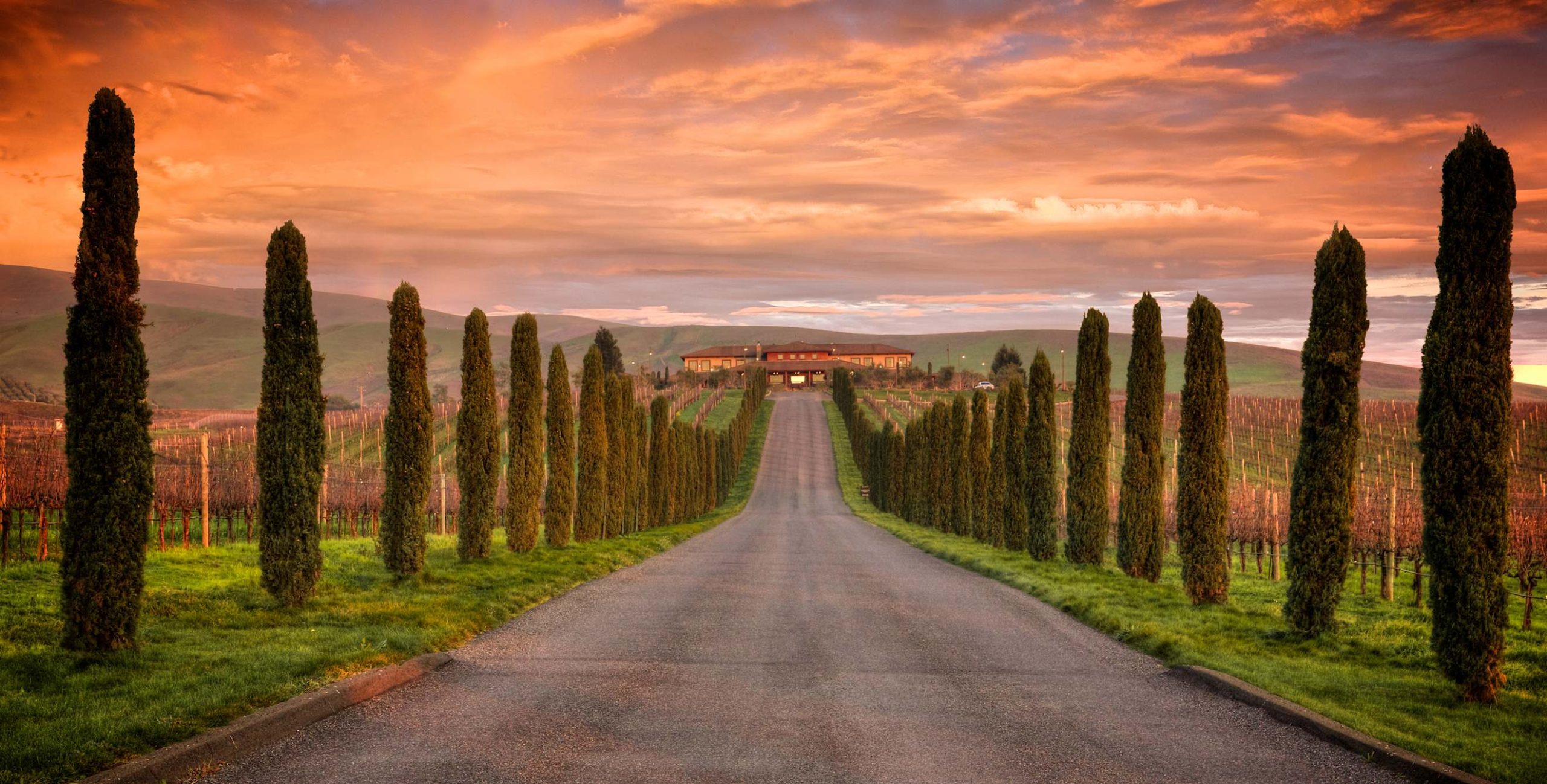
Napa Valley wine tasting represents one of the most iconic culinary and travel experiences in the United States. Located north of San Francisco, Napa Valley stretches across rolling hills, sunlit vineyards, and charming towns where wine culture defines daily life. Visitors arrive expecting elegant wineries and world-famous Cabernet Sauvignon, yet the valley offers much more than fine bottles.
The region’s reputation developed through decades of dedication to quality winemaking. Families planted vines, experimented with grape varieties, and refined techniques that allowed Napa wines to compete with the most respected vineyards in Europe. Today, hundreds of wineries welcome travelers eager to explore tasting rooms, vineyard landscapes, and the stories behind each vintage.
Experiencing Napa Valley wine tasting means slowing down. It involves walking through vine rows, listening to winemakers explain their craft, and savoring each sip while overlooking hills covered with grapevines. For many travelers, the journey becomes as memorable as the wine itself.
The Landscape That Created Napa Valley Wines
Climate and Geography
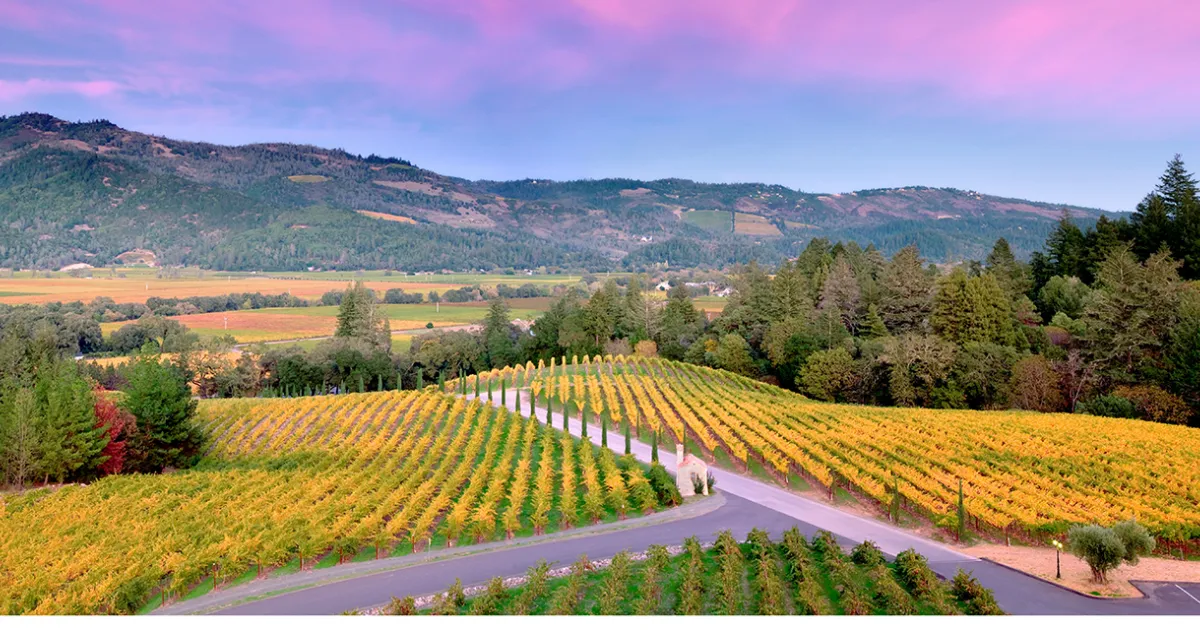
Napa Valley benefits from a unique combination of Mediterranean climate, fertile soil, and coastal influence. Warm days help grapes ripen slowly, while cool nights preserve natural acidity. Morning fog drifting inland from the Pacific Ocean often blankets the vineyards before the sun rises.
This balance between warmth and cool air allows grapes to develop complex flavors. As a result, Napa wines often feature bold aromas and balanced structures.
The Role of Terroir
Winemakers frequently discuss the concept of terroir—the interaction between soil, climate, and geography. Napa Valley contains multiple microclimates across its sub-regions. Hillsides produce grapes with different characteristics than valley-floor vineyards.
Understanding this landscape helps visitors appreciate the diversity they encounter during Napa Valley wine tasting.
Historic Vineyards and Legendary Wineries
Robert Mondavi Winery

Robert Mondavi Winery stands among the most influential wineries in Napa Valley. Founded in 1966, it helped establish Napa as a global wine destination. Mondavi emphasized education, innovation, and international recognition for California wines.
Visitors often begin their Napa Valley wine tasting journey here because the winery offers detailed tours explaining fermentation, aging, and vineyard management.
Castello di Amorosa
Castello di Amorosa recreates a medieval Tuscan castle in the heart of Napa Valley. Stone walls, underground tunnels, and grand halls transport visitors into a European-style wine experience.
Guests explore the castle before tasting wines aged in traditional barrels. The architecture adds theatrical charm to Napa Valley wine tasting adventures.
Boutique Wineries and Hidden Gems
Personal Encounters with Winemakers
Large wineries attract attention, yet many travelers prefer smaller family-run vineyards. These boutique wineries often host intimate tastings where visitors meet the people responsible for growing and crafting the wine.
Winemakers share stories about harvest seasons, vineyard challenges, and experimental blends.
A Slower Pace
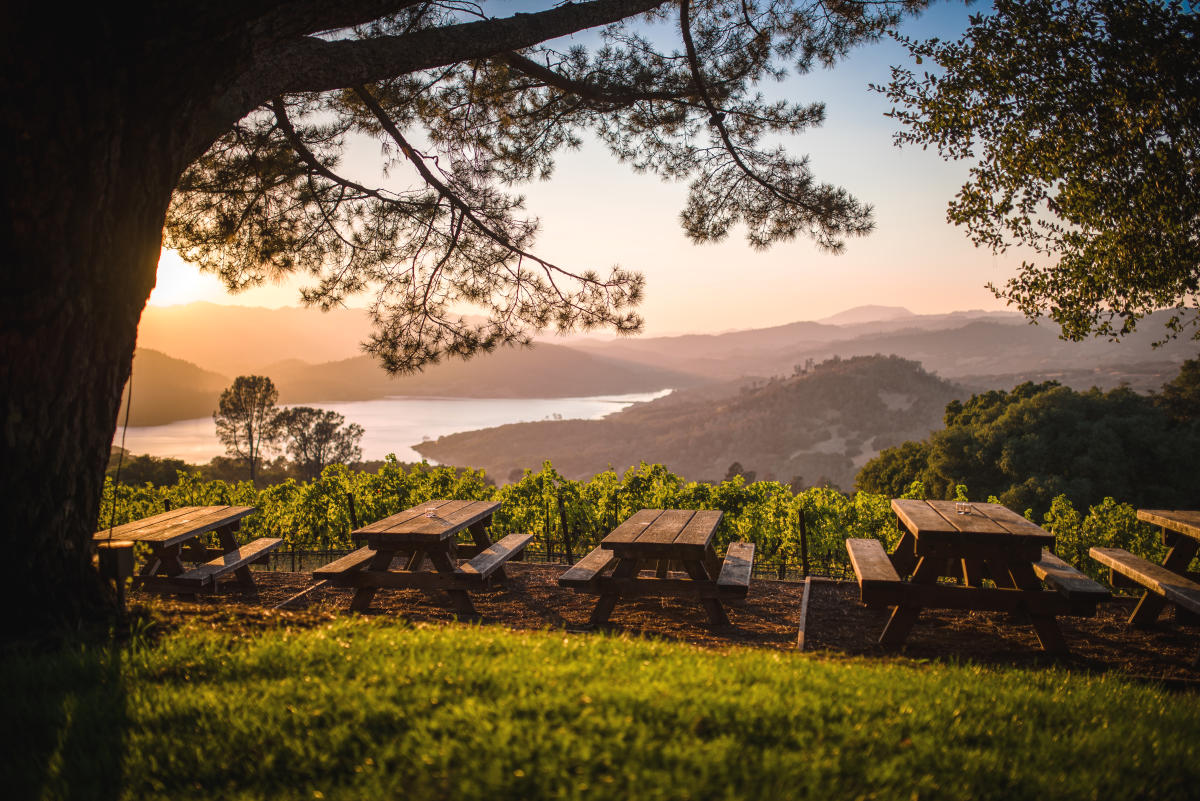
Boutique wineries usually schedule tastings by appointment, which creates a relaxed atmosphere. Instead of crowded tasting bars, guests enjoy quiet patios overlooking vineyards.
These experiences reveal another side of Napa Valley wine tasting, where conversation and storytelling become part of the tasting itself.
How a Wine Tasting Works
The Tasting Process
A typical wine tasting includes several small pours representing different wines produced by the winery. Guests examine the wine’s color, swirl the glass gently to release aromas, and take a small sip.
Professional tasters often describe flavors using references such as blackberry, vanilla, cedar, or spice. These descriptions help identify characteristics shaped by grape variety and aging methods.
Comparing Varieties
Cabernet Sauvignon remains Napa Valley’s signature grape. However, wineries also produce Chardonnay, Merlot, Pinot Noir, and Sauvignon Blanc.
Sampling several varieties allows visitors to understand how climate and winemaking techniques influence flavor profiles.
Learning this process enhances the enjoyment of Napa Valley wine tasting.
Scenic Wine Routes Across Napa Valley
Silverado Trail
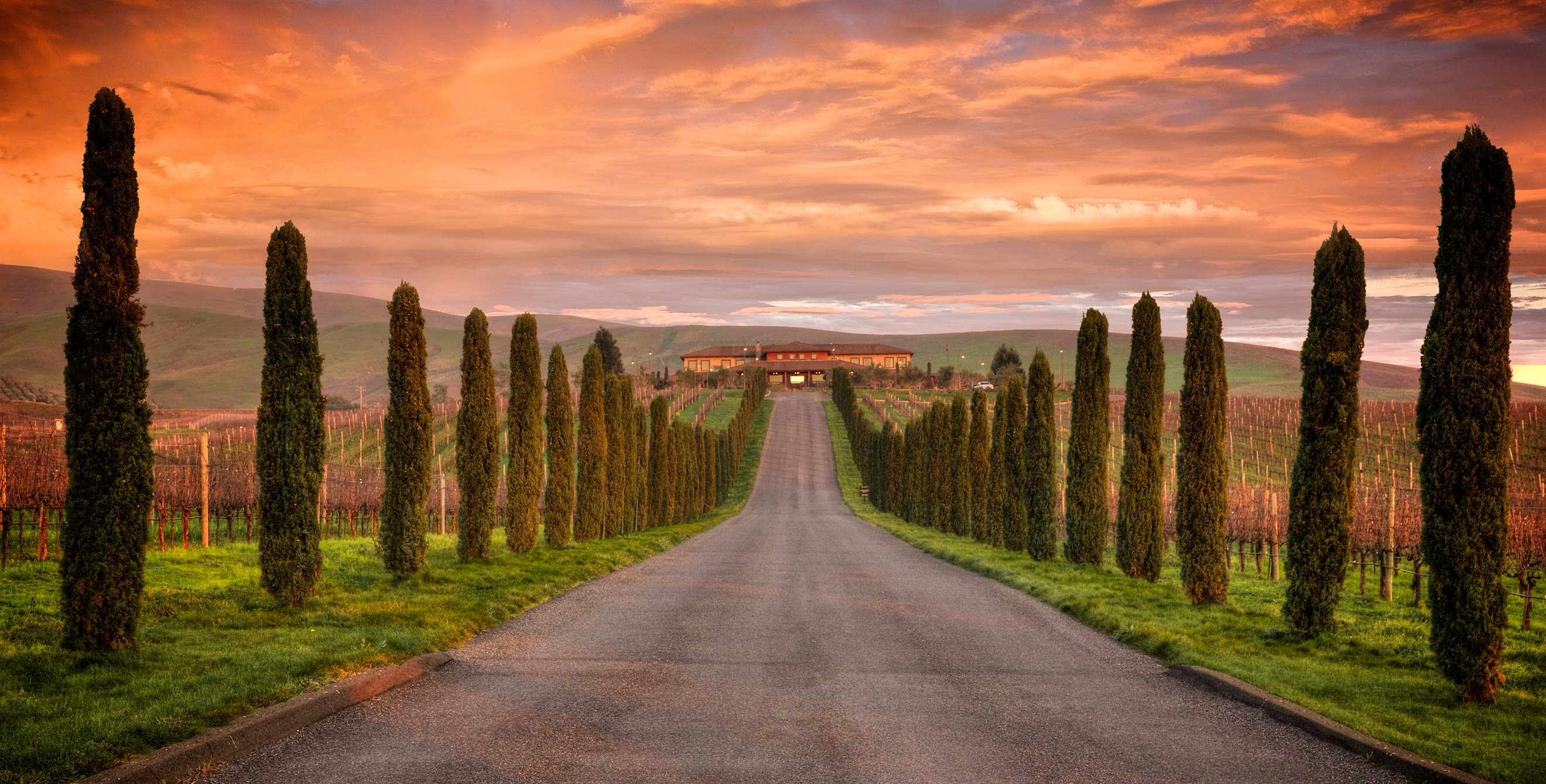
Silverado Trail runs along the eastern side of Napa Valley and offers a quieter alternative to the main highway. The road winds past vineyards and small wineries with stunning mountain views.
The Napa Valley Wine Train
Some visitors experience the region aboard the Napa Valley Wine Train. Vintage rail cars travel through vineyards while passengers enjoy gourmet meals paired with local wines.
Both routes provide memorable ways to explore Napa Valley wine tasting destinations.
Seasonal Wine Experiences
Harvest Season
Autumn marks the harvest season, when vineyards buzz with activity. Workers collect grapes, presses operate continuously, and the aroma of fermentation fills winery cellars.
Many travelers consider this the most exciting time for Napa Valley wine tasting.
Spring and Summer Visits
Spring transforms the valley into vibrant green landscapes, while summer offers long sunny days perfect for outdoor tastings.
Each season reveals different aspects of the vineyard cycle.
Responsible Wine Tourism
Wine tasting involves alcohol, so responsible planning remains important. Many visitors hire drivers, join guided tours, or use transportation services between wineries.
Hydration and pacing also help maintain an enjoyable experience throughout the day.
Responsible travel ensures that Napa Valley wine tasting remains safe and enjoyable for everyone.
Conclusion
Napa Valley wine tasting combines scenic landscapes, world-class winemaking, and rich cultural traditions into one unforgettable travel experience. From historic wineries like Robert Mondavi to castle-like estates such as Castello di Amorosa and intimate boutique vineyards, the valley offers diverse ways to explore wine culture.
Each glass tells a story about the land, the climate, and the people who cultivate the vines. Visitors discover that wine tasting becomes more than sampling beverages—it becomes an exploration of craftsmanship and place.
Travelers who embrace Napa Valley wine tasting leave with lasting memories of golden vineyards, thoughtful conversations with winemakers, and the timeless pleasure of sharing wine in one of the world’s most celebrated wine regions.