Quebec Maple Syrup Farm Guide Experiencing Canada’s Sweetest Tradition in the Heart of Maple Country
A visit to a Quebec Maple Syrup Farm reveals one of Canada’s most beloved culinary traditions. In the forests of eastern Canada, when winter begins to loosen its grip and the first signs of spring appear, maple trees awaken from months of cold. Farmers move into the woods carrying metal taps, buckets, and tubing systems that transform clear tree sap into the golden syrup known around the world.
The Canadian province of Quebec produces roughly 70 percent of the global supply of maple syrup. This region’s climate provides the perfect balance of freezing nights and mild daytime temperatures during early spring. Those conditions allow maple sap to flow through tree trunks, creating the ideal moment for harvest.
Exploring a Quebec Maple Syrup Farm allows visitors to experience the full journey of maple syrup production. Travelers walk through quiet maple forests, watch boiling sap inside traditional sugar shacks, and taste fresh syrup poured directly onto snow. What might seem like a simple sweet topping actually represents centuries of cultural heritage and agricultural knowledge.
Understanding this tradition requires looking beyond the bottle and into the forests where the process begins.
The Maple Forests of Quebec

The Sugar Bush Landscape
Farmers often refer to maple forests as a “sugar bush.” These wooded areas contain large populations of sugar maple trees that produce the sap required for syrup production. During late winter, snow still blankets the ground while sunlight begins warming the trunks of the trees.
The forest appears quiet, yet a remarkable transformation occurs within each tree. Temperature changes cause internal pressure that pushes sap upward through the trunk. Farmers take advantage of this natural cycle by tapping small holes into the bark.
Visitors walking through a Quebec Maple Syrup Farm often notice networks of small tubes connecting hundreds or even thousands of trees. These tubes guide the sap toward central collection tanks.
Why Quebec Produces the Most Maple Syrup
Quebec’s climate creates ideal conditions for maple sap flow. Cold nights freeze the trees, while warmer daytime temperatures cause sap to move upward again. This freeze-and-thaw cycle repeats for several weeks each spring.
Other regions also produce maple syrup, but Quebec’s vast maple forests and favorable weather allow farmers to produce it on a much larger scale.
The Process of Making Maple Syrup
Tapping the Trees
Farmers begin the process by drilling small holes into sugar maple trees and inserting metal or plastic taps called spiles. Sap slowly drips from the tree into buckets or flows through modern tubing systems.
At this stage the liquid looks completely clear and tastes only slightly sweet. Maple sap contains roughly 2 percent natural sugar.
Boiling the Sap
Once collected, the sap travels to a building known as a sugar shack, traditionally called a cabane à sucre. Inside, large evaporators boil the sap over intense heat.
The boiling process removes water and concentrates natural sugars. It takes approximately 40 liters of sap to produce just one liter of maple syrup.
As the sap thickens, it gradually turns from clear liquid into rich amber syrup with its distinctive aroma.
Understanding this transformation forms a key part of visiting a Quebec Maple Syrup Farm.
The Traditional Sugar Shack Experience
Food, Music, and Community
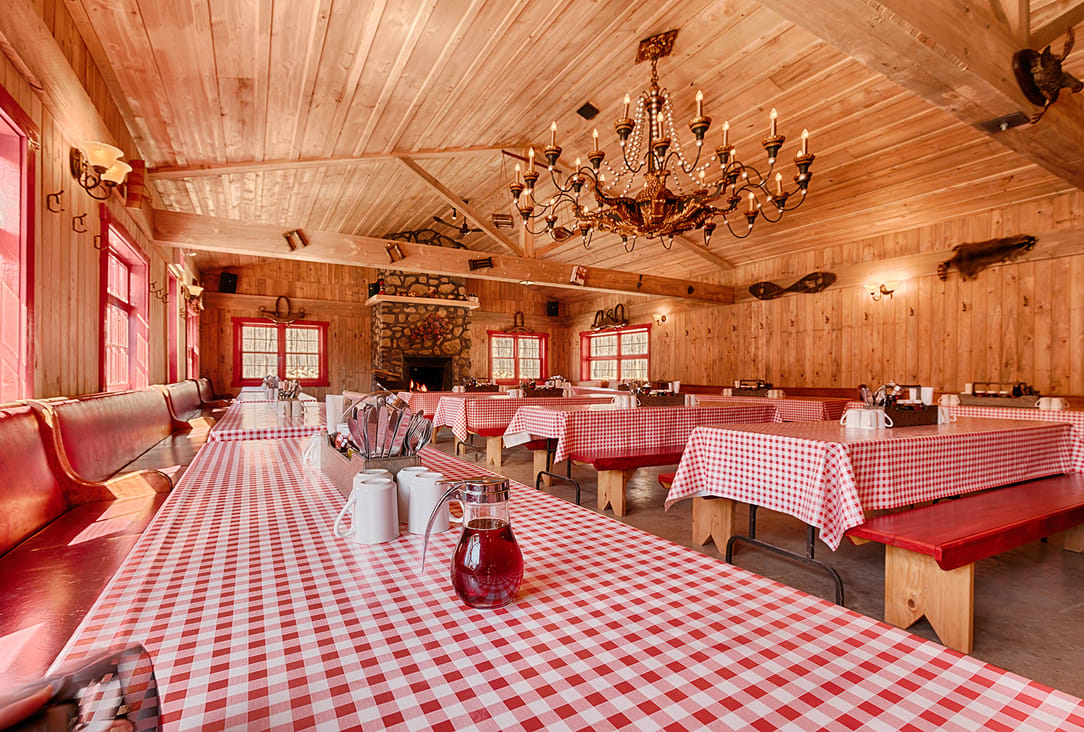
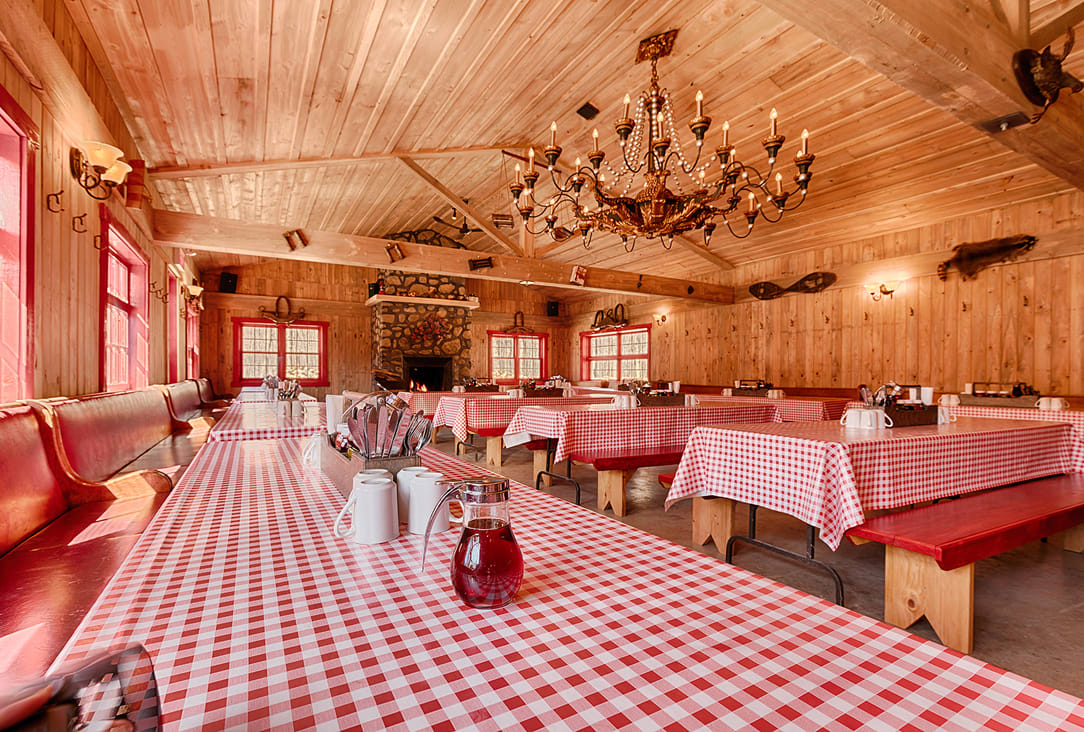
A visit to a sugar shack offers far more than syrup tasting. Families and travelers gather around long wooden tables to enjoy traditional Quebec meals.
Typical dishes include baked beans, meat pies, pancakes, and smoked ham, all generously topped with maple syrup. The atmosphere often includes folk music, storytelling, and lively conversation.
The sugar shack represents an important cultural tradition in Quebec. These gatherings celebrate the end of winter and the arrival of spring.
Maple Taffy on Snow
One of the most memorable treats at a Quebec Maple Syrup Farm involves maple taffy. Farmers pour hot maple syrup onto fresh snow where it instantly cools and thickens.
Visitors roll the sticky syrup onto wooden sticks and enjoy it like a soft candy. This simple tradition has delighted children and adults for generations.
Maple Syrup Grades and Flavor Profiles
Maple syrup varies in color and flavor depending on when farmers collect the sap during the season. Early harvests produce light golden syrup with delicate sweetness. Later harvests create darker syrups with stronger caramel notes.
Canada classifies maple syrup into several grades that help consumers understand flavor intensity and color.
Visitors touring a Quebec Maple Syrup Farm often sample multiple varieties to experience the subtle differences.
Maple Syrup Beyond Pancakes
Although many people associate maple syrup with breakfast pancakes, Quebec producers use it in countless recipes. Chefs incorporate maple syrup into marinades, desserts, baked goods, and even savory sauces.
Maple butter, maple candies, and maple sugar all originate from the same syrup-making process.
This versatility explains why maple syrup remains one of Canada’s most iconic food products.
Sustainable Maple Farming
Modern maple farms balance tradition with environmental responsibility. Farmers carefully manage their forests to ensure healthy tree growth for decades.
Each tree produces sap year after year when farmers tap it correctly. Sustainable practices protect both the forest ecosystem and the long-term future of maple production.
Visitors who explore a Quebec Maple Syrup Farm often learn how agriculture and conservation work together in these forests.
Visiting Maple Farms in Quebec
The maple harvest season typically occurs from late February through early April. During this period many farms open their doors to visitors for tours, tastings, and traditional sugar shack meals.
Travelers driving through rural Quebec often see roadside signs inviting guests to experience maple syrup production firsthand.
These visits offer an authentic way to connect with Quebec’s agricultural heritage.
Conclusion
A Quebec Maple Syrup Farm represents far more than a place where syrup is produced. It tells the story of forests, seasonal rhythms, and cultural traditions passed through generations of farmers.
From tapping maple trees in snowy forests to boiling sap in warm sugar shacks, every step reflects a deep connection between people and nature. Visitors who explore these farms experience not only delicious flavors but also the heritage behind one of Canada’s most treasured foods.
For travelers seeking an authentic Canadian experience, visiting a Quebec Maple Syrup Farm provides a sweet journey into history, culture, and the remarkable natural process that turns simple tree sap into liquid gold.