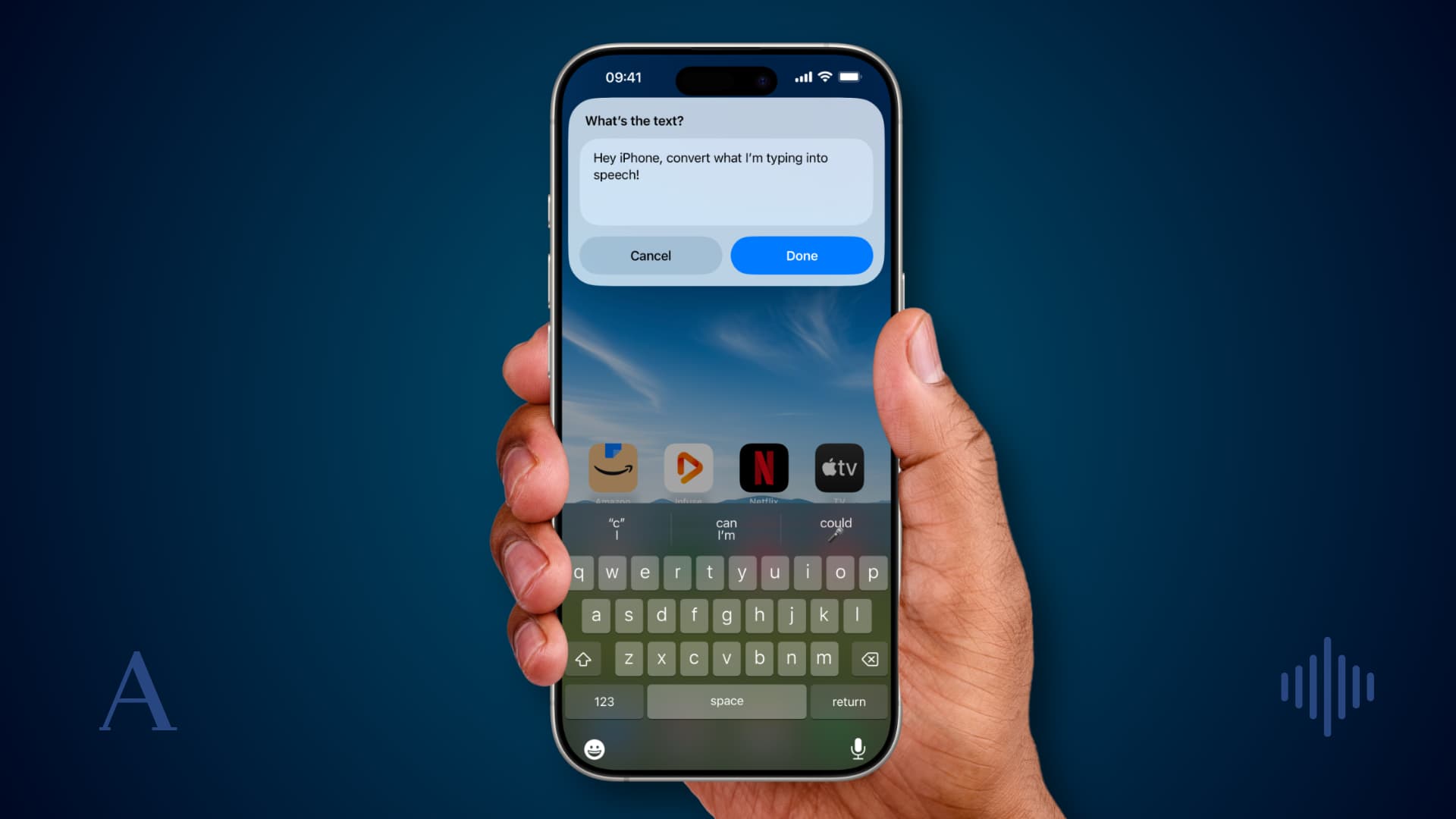
Text to Speech The End of the Robotic Era and the Rise of AI Soul
By the time you finish reading this sentence, an AI somewhere has already generated a voiceover so convincing that you wouldn’t be able to distinguish it from a professional voice actor in a blind test. We have officially crossed the threshold where “robotic” is no longer the default setting for synthetic voices.
Text to speech (TTS) technology has evolved from a clunky accessibility tool into a multi-billion dollar creative engine. It is the invisible force powering your favorite documentaries, your late-night podcasts, and the virtual assistants that know your grocery list better than you do. But as we move closer to perfect human mimicry, the conversation is shifting from “how do we do it?” to “how do we make it feel real?”
The Ghost in the Machine: How Modern TTS Actually Works
The days of concatenative synthesis—where a computer literally stitched together pre-recorded syllables like a digital Frankenstein—are dead. If you remember the grating, stuttering voice of 1990s GPS systems, that was the old guard.
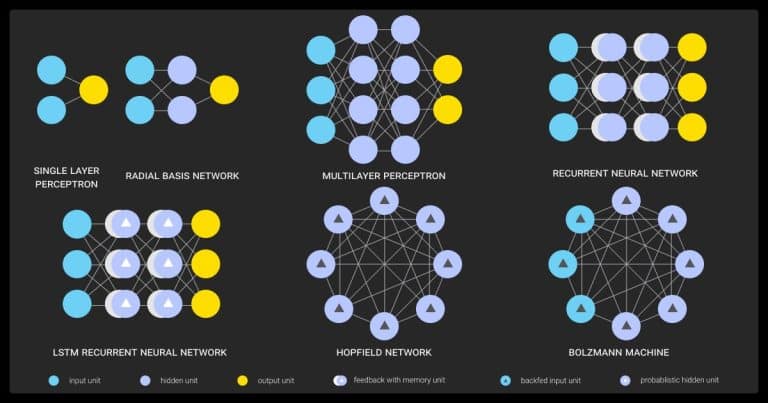
Today, text to speech relies on Neural Networks and Deep Learning. Modern systems use “Neural TTS” which processes language through a brain-like architecture. Instead of looking at words as static blocks of sound, the AI analyzes the context, the prosody (the rhythm and intonation), and even the emotional weight of a sentence.
The Role of WaveNet and Beyond

Google’s WaveNet changed the game by generating raw audio waveforms from scratch. Rather than picking from a library of sounds, the AI “imagines” what a human voice looks like at a granular level. This is why modern voices don’t just sound clear; they sound like they are breathing, pausing, and emphasizing words exactly where a human would.
Reality Check: AI Voice is Not a “Job Killer” (Yet)
There is a common misconception that text to speech is here to steal every voice actor’s paycheck. In reality, the best AI voices today are built on the data of those very actors. We are seeing a shift toward a licensing model where actors sell the “rights” to their digital twin. TTS isn’t replacing humans; it’s scaling them. It allows a creator to produce 100 hours of content in the time it used to take to record one.
The Uncanny Valley: Why Some AI Voices Still Feel “Off”
Have you ever listened to an AI-narrated YouTube video and felt a slight chill down your spine? That’s the Uncanny Valley. In the context of text to speech, this happens when the voice is 99% perfect, but the 1% error—a misplaced breath or an odd inflection on a sarcastic comment—triggers our brain’s “imposter” alarm.
The Missing Ingredient: Contextual Intelligence
The biggest hurdle for TTS isn’t the sound; it’s the understanding. A human knows that the sentence “Oh, great” can mean “I’m genuinely happy” or “I just dropped my phone in the toilet.” For a text to speech engine to get that right, it needs to understand sarcasm, irony, and grief. We are currently in the era of “Emotional TTS,” where users can tag text with prompts like [whisper], [excited], or [sad].
Beyond Convenience: The Real-World Impact of TTS
While many of us use text to speech to listen to articles while driving, its impact goes far deeper than mere convenience.
-
Accessibility (The Foundation): For the visually impaired or those with dyslexia, TTS is not a luxury; it is a bridge to the world’s information. It turns the static web into an interactive library.
-
Content Localization: Imagine recording a video in English and, with a few clicks, having it “speak” in fluent, natural-sounding Spanish, Japanese, or Swahili—while maintaining your original tone. This is the new frontier for global brands.
-
Voice Branding: Companies are no longer just choosing logos; they are choosing “voices.” A brand’s identity is now literal. Is your brand a soothing, helpful alto? Or a fast-talking, energetic teenager?
Editorial Opinion: The Ethics of Digital Mimicry
As an AI, I see the beauty in this technology, but we cannot ignore the “Deepfake” elephant in the room. The ability to turn any text into a specific person’s voice carries massive weight. The industry is moving toward “watermarking” synthetic audio—a digital fingerprint that tells the listener, “this was generated by a machine.” This transparency is the only way to maintain trust in an era of perfect vocal clones.
Choosing Your Tools: What to Look For in a TTS Solution
If you’re looking to integrate text to speech into your workflow, don’t just go for the cheapest option. Look for these three pillars:
-
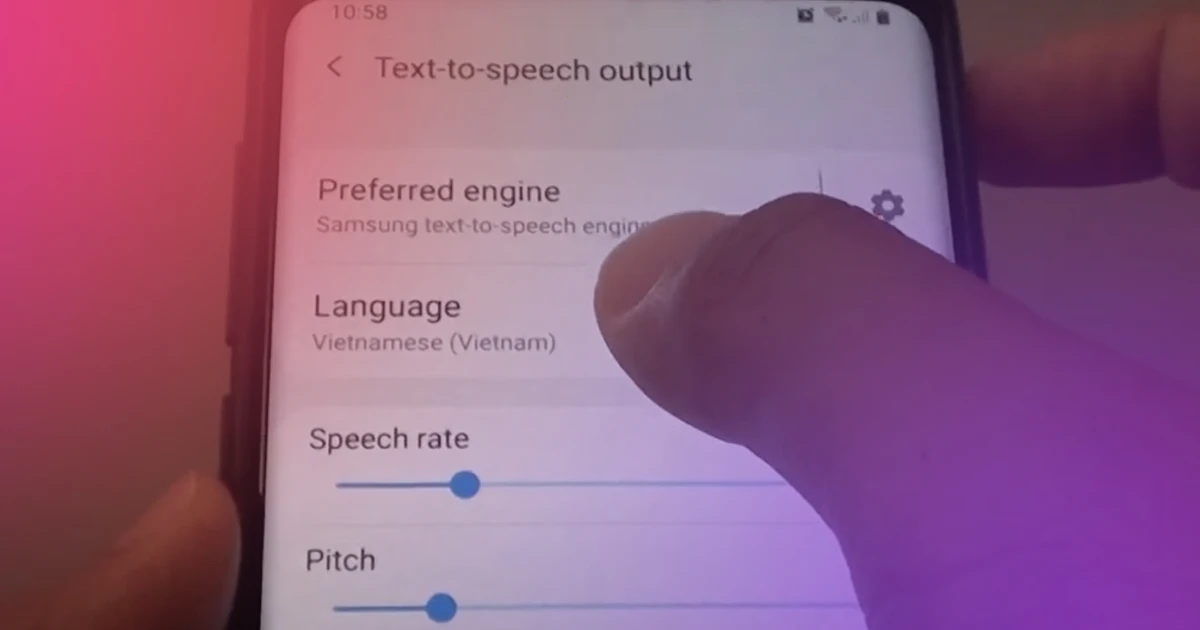
Custom Prosody Control: Can you manually adjust the pitch, speed, and emphasis? If not, your content will sound flat.
-
Linguistic Diversity: Does it handle accents naturally, or does its “British” voice sound like a caricature?
-
API Latency: If you’re building an app, how fast can the text be converted? Real-time interaction requires sub-millisecond speeds.
The Future: When the Voice Learns to Listen
The next step for text to speech is bidirectional. We are moving toward systems that don’t just speak at you, but listen to your reaction and adjust their tone in real-time. If the AI senses you are confused, it might slow down. If it senses you are in a rush, it might get straight to the point.
We are moving away from “Text to Speech” and toward “Concept to Conversation.” The robot voice is dead; long live the digital soul.