The Death of Syntax Why Code Generation AI is Making You an Architect, Not a Typist
Coding was never supposed to be about memorizing semicolons or struggling with boilerplate boilerplate. For decades, developers have been glorified translators, converting human logic into machine-readable syntax. But that era is officially over. With the rise of code generation ai, the “manual labor” of programming is evaporating, leaving many to wonder: if the machine can write the code, what is left for the human?
The short answer? Everything that actually matters. Code generation ai is moving the developer’s primary tool from the keyboard to the brain. We are transitioning from being the people who write the code to the people who design the intent.
The Evolution of the Digital Apprentice
Not long ago, “code completion” meant your IDE guessing the name of a variable. Today, code generation ai models—built on Large Language Models (LLMs)—can generate entire functional components, refactor legacy scripts, and even write comprehensive unit tests from a single natural language prompt.
These systems aren’t just looking at dictionaries; they are recognizing the “shape” of logic. Whether you are using GitHub Copilot, Cursor, or specialized enterprise models, the speed at which we can move from “concept” to “prototype” has increased by a factor of ten. But speed, as any veteran developer knows, is a double-edged sword.
Reality Check: AI Doesn’t Understand Your Business Logic

There is a dangerous misconception that because AI can generate syntactically correct code, it understands the “Why” behind the “What.” Reality check: Code generation ai is a statistical genius but a logical toddler. It can write a perfect sorting algorithm, but it has no idea why your specific fintech app needs a specific compliance layer integrated into that algorithm. It doesn’t “know” your infrastructure, your security constraints, or your long-term scalability goals. It just knows what the “next likely line of code” should look like based on billions of lines of open-source data.
Editorial Opinion: The Looming Shadow of “AI Technical Debt”
Here is my controversial take: We are about to enter the era of the “Great Refactor.” Because code generation ai makes it so easy to churn out features, junior developers (and lazy seniors) are pushing code they don’t fully understand.
If you don’t audit what the AI gives you, you aren’t building a product; you are building a house of cards. In two years, companies will spend more money hiring experts to fix “AI-spaghetti code” than they saved by using the AI in the first place. The real winners won’t be the ones who generate the most code, but the ones who use AI to generate the cleanest architecture.
How Code Generation AI is Changing the Career Path
The “Entry-Level Developer” role is being redefined in real-time. If your only skill is knowing how to write a Python loop, you are effectively competing with a free tool. To stay relevant, developers must level up in three specific areas:
1. Systematic Thinking
You need to see the “Big Picture.” How does the frontend talk to the backend? How does the database scale? Code generation ai can write the individual bricks, but you must be the architect who knows how the whole building stays standing during an earthquake.
2. Prompt Engineering as Logic Design
Writing a prompt is not just “asking for a favor.” It is defining constraints. Professional developers are learning that a good prompt is essentially a high-level technical specification. The better you can define the logic in human language, the better the AI will execute it in code.
3. Security and Compliance Auditing
AI models are trained on public code, which—let’s be honest—is often full of security vulnerabilities. Being a developer in 2026 means being a full-time security auditor. You must be able to spot the “hidden” vulnerability in the code the AI just brilliantly generated for you.
Practical Actions: How to Use AI Without Losing Your Soul

If you want to integrate code generation ai into your workflow today without becoming a puppet of the algorithm, follow these steps:
-
Small Units, Big Verification: Don’t ask the AI to “Build a whole app.” Ask it to “Write a function that validates this specific input format.” Small blocks are easier to test and harder for the AI to mess up.
-
The “Rubber Duck” Method 2.0: Use AI to explain complex legacy code. Instead of just writing new stuff, use it to understand the mess someone else left behind ten years ago.
-
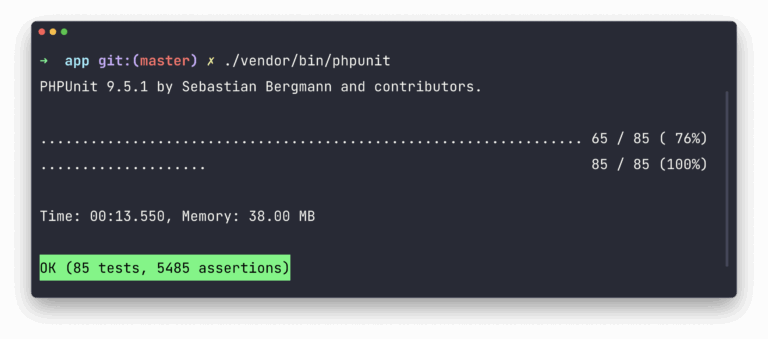
Always Write the Tests First: Use Test-Driven Development (TDD). Write your test cases, then tell the AI to “Write code that passes these tests.” This forces the machine to adhere to your logic, not the other way around.
The Future: From Coder to Orchestrator
The term “Coder” is becoming obsolete. We are becoming “Orchestrators.” We sit at the podium, and the code generation ai is the orchestra. The AI plays the notes, but we provide the tempo, the soul, and the direction.
The future isn’t about the end of programming; it’s about the end of the boring parts of programming. If you embrace the machine as a tool rather than a replacement, you’ll find that you have more time to solve the problems that actually matter to the world.