London Classic Afternoon Tea Experiencing Britain’s Most Elegant Culinary Tradition
A London Classic Afternoon Tea offers more than just a meal—it represents one of the most cherished social traditions in British culture. When travelers imagine London, they often picture red double-decker buses, royal palaces, and historic landmarks. Yet tucked inside elegant hotels and charming tea rooms lies another iconic experience: afternoon tea.
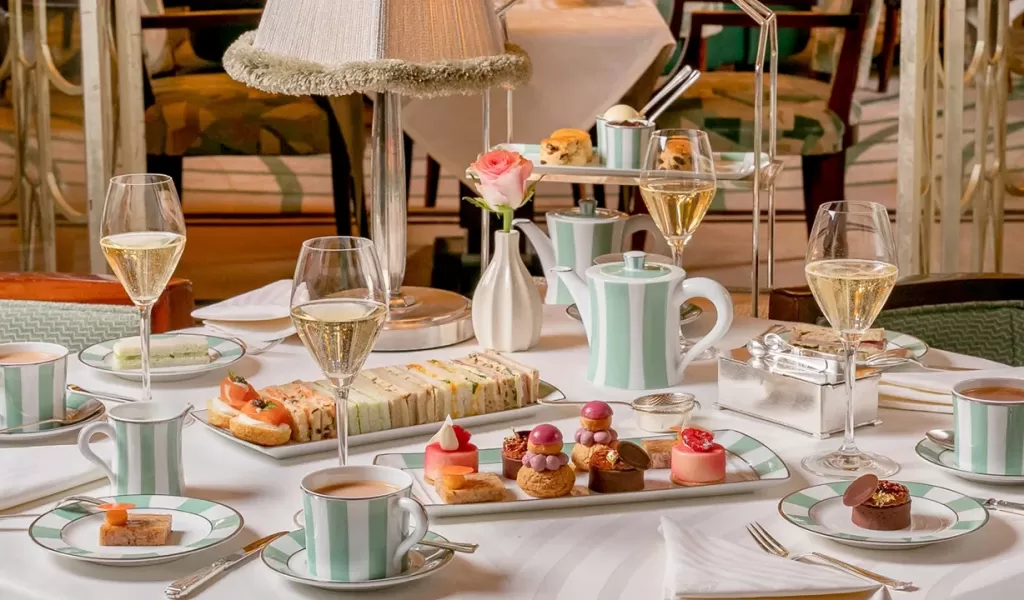
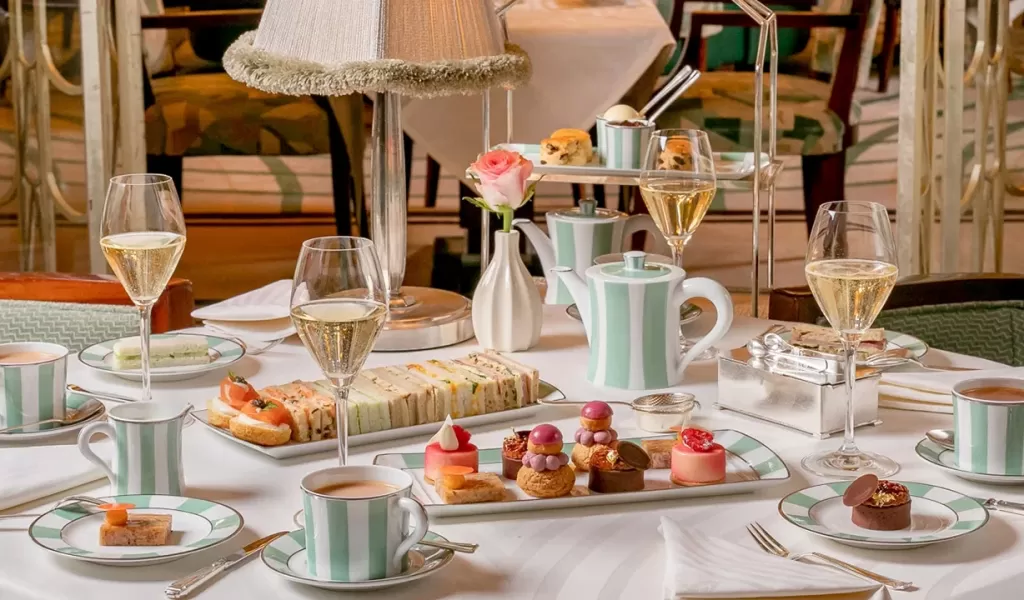
This ritual invites guests to pause during the day, sit comfortably with friends or family, and enjoy carefully prepared tea accompanied by delicate pastries and sandwiches. The atmosphere feels refined yet welcoming. Fine porcelain teacups rest on polished tables, tiered trays display beautifully arranged treats, and the aroma of freshly brewed tea fills the room.
Participating in a London Classic Afternoon Tea allows visitors to experience a tradition that has remained part of British life for nearly two centuries. While modern London moves quickly, afternoon tea preserves a slower and more graceful moment in the day.
The Origins of Afternoon Tea

A Tradition Born in the Victorian Era
The story of afternoon tea began in the early 19th century with Anna Russell, Duchess of Bedford. During this period, dinner often took place late in the evening. The Duchess reportedly experienced hunger during the long afternoon hours between lunch and dinner.
To solve this problem, she requested a tray of tea, bread, butter, and cakes served privately in her room. Soon she began inviting friends to join her. What started as a simple afternoon snack gradually evolved into a fashionable social gathering among Britain’s upper classes.
The Spread of a Social Ritual
As the popularity of tea gatherings grew, aristocratic households adopted the practice. Guests arrived dressed elegantly, conversation flowed politely, and delicate refreshments appeared on beautifully arranged trays.
The tradition eventually spread beyond aristocratic circles. Today, a London Classic Afternoon Tea welcomes visitors from around the world.
What Makes a Classic Afternoon Tea

The Three-Tiered Structure
A classic afternoon tea typically arrives on a tiered stand with three levels of treats. Each tier represents a different category of food.
The bottom layer usually features delicate finger sandwiches filled with ingredients such as cucumber, smoked salmon, egg salad, or chicken.
The Famous Scones
The middle tier presents freshly baked scones served with clotted cream and strawberry jam. This combination represents one of the most beloved elements of the entire experience.
Sweet Pastries and Cakes
The top tier holds an assortment of pastries, cakes, and desserts. Miniature éclairs, fruit tarts, macarons, and sponge cakes often appear here, adding color and elegance to the presentation.
These carefully arranged components define a London Classic Afternoon Tea.
Famous Places for Afternoon Tea in London
The Ritz London
One of the most famous locations for afternoon tea is The Ritz London. Its elegant Palm Court provides a luxurious setting with chandeliers, soft music, and attentive service.
Guests often consider this venue the ultimate destination for a London Classic Afternoon Tea.
Fortnum & Mason
Fortnum & Mason has served tea lovers since the 18th century. The store’s Diamond Jubilee Tea Salon offers an atmosphere that blends tradition with contemporary refinement.
Claridge’s and The Savoy
Both Claridge’s and The Savoy maintain exceptional reputations for afternoon tea. Their historic interiors and carefully curated menus attract visitors seeking authentic British hospitality.
These establishments contribute to the global reputation of London Classic Afternoon Tea.
Afternoon Tea Etiquette
How to Prepare Your Tea
Proper tea preparation begins by pouring tea from the teapot into the cup before adding milk or lemon, depending on the type of tea. Guests typically stir gently without clinking the spoon against the cup.
Eating the Courses in Order
Traditionally, guests begin with the savory sandwiches, continue with the scones, and finish with the sweets. This order mirrors the progression from light to richer flavors.
The Social Element
Afternoon tea encourages relaxed conversation and polite interaction. Guests often spend hours enjoying the atmosphere and company.
Following these customs enhances the authenticity of a London Classic Afternoon Tea.
Modern Interpretations of Afternoon Tea
While traditional afternoon tea remains popular, many venues now offer creative variations. Some restaurants design themed teas inspired by literature, fashion, or seasonal events.
Others introduce contemporary flavors or international ingredients while preserving the structure of the classic service.
These innovations demonstrate how London Classic Afternoon Tea continues evolving while honoring tradition.
Why Afternoon Tea Remains Popular
Afternoon tea offers something rare in modern life: a deliberate pause. Instead of rushing through a meal, guests slow down and savor small bites, warm drinks, and pleasant conversation.
This combination of elegance, history, and relaxation explains why visitors consider London Classic Afternoon Tea an essential cultural experience when visiting the city.
Conclusion
A London Classic Afternoon Tea represents far more than tea and pastries. It reflects a tradition rooted in history, hospitality, and refined social culture. From the elegant salons of The Ritz to historic tea rooms across the city, this experience invites guests to enjoy London at a gentler pace.
Visitors who participate in afternoon tea gain insight into British customs while enjoying delicious food and warm conversation. In a city filled with energy and movement, this timeless ritual provides a moment of calm elegance.
For travelers exploring London, a London Classic Afternoon Tea remains one of the most memorable ways to experience British tradition and hospitality.