Speech Synthesis Giving the Digital World a Human Soul
What if the most comforting voice you heard today wasn’t human at all? It’s a strange, slightly unsettling thought, but we’ve moved far beyond the days of Stephen Hawking’s iconic—yet undeniably mechanical—monotone. Today, silicon-based voices are learning to whisper, to sigh, and to crack with emotion. They are becoming so indistinguishable from us that the line between biological and digital resonance is practically invisible.
At its core, speech synthesis is the artificial production of human speech. While it started as a utility for accessibility, it has evolved into a powerhouse of modern branding, entertainment, and personal productivity. We aren’t just making computers talk anymore; we are teaching them how to communicate.
The Evolution: From Phonemes to Neural Networks
For decades, the “Uncanny Valley” was the graveyard of audio projects. Early systems used “Concatenative Synthesis,” where tiny snippets of recorded human speech were stitched together. It worked, but it felt jagged—like a sonic Frankenstein’s monster.
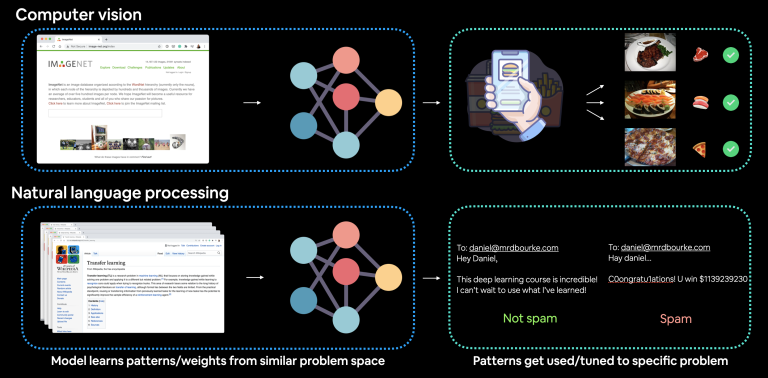
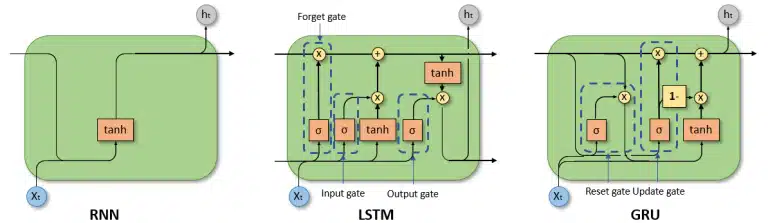
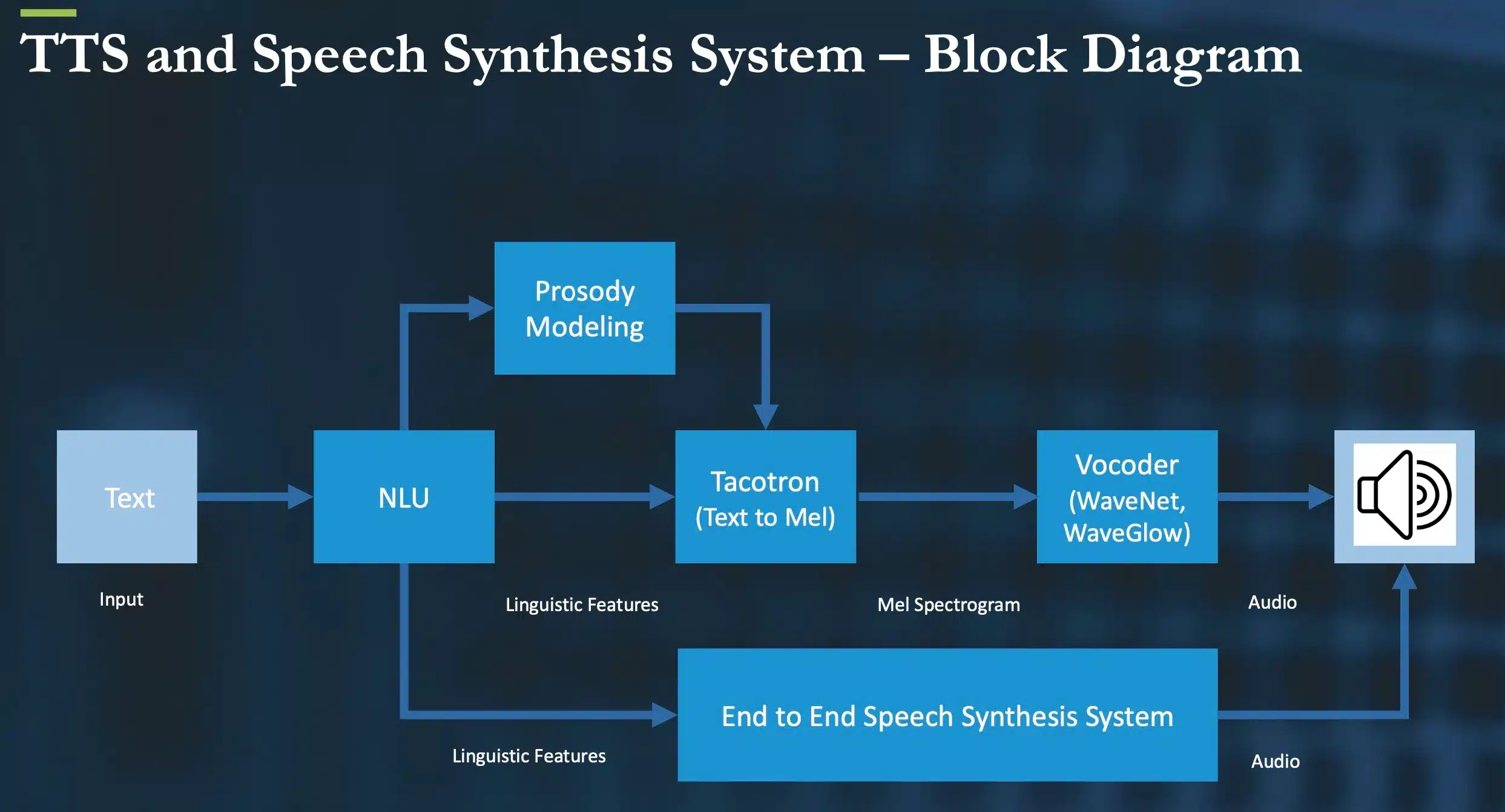
Then came the revolution: Neural Speech Synthesis. By using Deep Learning, specifically models like WaveNet or Tacotron, AI stopped looking for “clips” and started predicting the shape of sound waves. This shift allowed machines to understand prosody—the rhythm, stress, and intonation of speech.
The “Robotic” Stigma is Dying
The biggest misconception today is that all AI voices sound like GPS navigators from 2010. If you haven’t checked the latest neural Text-to-Speech (TTS) engines, you’re in for a shock. Modern speech synthesis can now handle sarcasm, excitement, and even the subtle intake of breath that makes a voice feel “alive.”
How It Actually Works (Without the PhD Talk)

If we strip away the complex calculus, the process follows a fascinating three-step dance:
-
Text Processing: The AI looks at “St.” and has to decide: is that “Street” or “Saint”? It analyzes the context to ensure the pronunciation is correct.
-
Linguistic Modeling: The system assigns “tags” to words—stressing the right syllables and deciding where a natural pause should occur.
-
Waveform Generation: This is the magic part. The neural network generates a raw audio signal, turning digital data into the vibrations that hit your eardrums.
The Role of Prosody
This is a term you’ll rarely hear in casual tech blogs, but it’s the secret sauce. Prosody is what prevents a voice from sounding “dead.” It’s the slight rise in pitch at the end of a question. Without it, speech synthesis is just a noise generator; with it, it’s a storyteller.
Reality Check: The “Instant” Voice Clone Myth
Let’s clear something up. You’ve probably seen ads claiming you can “Clone any voice in 5 seconds.” While you can get a resemblance in seconds, a truly high-fidelity, emotionally flexible voice clone still requires high-quality training data.
The Reality: High-end speech synthesis is a “garbage in, garbage out” business. If the source audio is recorded on a laptop mic in a noisy room, the resulting AI voice will sound like it’s trapped in a tin can. Professional grade results still require professional input.
Practical Applications: More Than Just Audiobooks
While Audible and Spotify are obvious winners here, the reach of synthetic speech goes much deeper:
-
Personalized Healthcare: For individuals losing their voice due to ALS or other conditions, “voice banking” allows them to keep their identity. They can type, and the machine speaks in their original voice, not a generic one.
-
The Gaming Revolution: Imagine an RPG where every NPC can say your name and react to your specific choices in real-time, rather than relying on 10,000 pre-recorded lines.
-
Localized Content: A creator in Jakarta can produce a video in Indonesian, and speech synthesis can translate and “re-speak” it in Spanish or English, keeping the original creator’s tone and emotion.
The Ethical Elephant in the Room: Deepfakes and Consent
We can’t talk about speech synthesis without addressing the shadows. The ability to mimic a CEO’s voice to authorize a wire transfer, or a politician’s voice to spread misinformation, is a real threat.
Editorial Opinion: The industry needs more than just better tech; it needs a “digital watermark” standard. As we embrace the beauty of synthetic voices, we must also demand transparency. If a voice isn’t human, the listener has a right to know. This isn’t just about safety; it’s about preserving the value of the human connection.
Actionable Steps: How to Use This Today
If you’re a business owner or a creator, don’t just watch from the sidelines.
-
Audit your “Sonic Branding”: Does your brand have a consistent voice across your phone lines, apps, and ads?
-
Test for Accessibility: Use speech synthesis to read your own blog posts aloud. If it sounds clunky, your writing might be too complex.
-
Explore Hybrid Pipelines: Use AI for the “draft” audio of your videos to nail the timing before hiring a human voice actor—or use high-end TTS for the bulk of your content to save on production costs.
The Future: Empathy as a Service
We are moving toward a future where our devices don’t just speak to us; they understand us. Future speech synthesis models will likely be multimodal—detecting your mood through your typing speed or facial expression and adjusting their tone to match.
The goal isn’t to replace humans. The goal is to make the digital world feel a little less cold, one synthesized syllable at a time.