Voice Cloning The High-Stakes Evolution of Digital Identity
Imagine receiving a phone call from your mother. She sounds distressed, her cadence is exactly as you remember it, and she’s asking for help with a bank transfer. You don’t hesitate—until you realize your mother is actually sitting right across from you, reading a book. This isn’t a scene from a sci-fi thriller; it’s the reality of voice cloning in 2026. We’ve reached a point where our vocal cords are no longer biologically tethered to our bodies; they can be sampled, synthesized, and deployed by anyone with a decent GPU and a few seconds of audio.
Voice cloning is the use of artificial intelligence to create a synthetic replica of a specific person’s voice. While it offers incredible potential for accessibility and entertainment, it also opens a Pandora’s box of ethical and security concerns that most of us aren’t prepared to handle.
The Anatomy of a Digital Mimic: How Voice Cloning Works
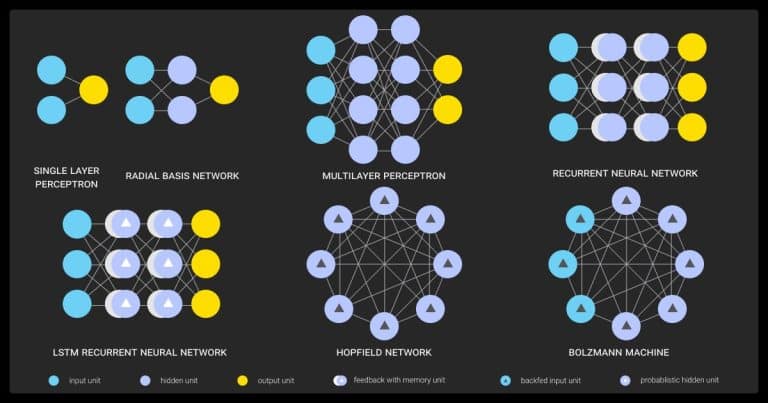
To understand how a machine can mimic the soulfulness of a human voice, we have to look under the hood of neural networks. It’s not just about recording someone and playing it back; it’s about deep learning models that understand the “math” behind your speech.
The Neural Breakdown
Most modern voice cloning systems use a combination of two things: an encoder and a vocoder. The encoder analyzes the “fingerprint” of your voice—your pitch, the way you elongate vowels, and the tiny pauses you make between words. The vocoder then takes that data and reconstructs the audio waves from scratch.
From Weeks to Seconds
Just a few years ago, you needed hours of high-quality studio recordings to create a convincing clone. Today, “zero-shot” learning models can do it with a 10-second clip pulled from a YouTube video or a LinkedIn greeting. The AI doesn’t need to hear you say every word in the dictionary; it just needs to understand your “style” to predict how you would say anything else.
Reality Check: Your Voice Isn’t a Secret Password Anymore
There is a dangerous misconception that “voice biometrics” are as secure as a fingerprint. Many banks and services still use “my voice is my password” as a security layer. Reality check: In an era of high-fidelity voice cloning, your voice is a public asset. If you’ve ever posted a video on social media, your vocal blueprint is out there. Relying solely on voice for security is now about as effective as leaving your front door key under the mat—everyone knows where to look.
The Bright Side: Why We Are Doing This Anyway
It’s easy to get caught up in the “Deepfake” panic, but voice cloning isn’t inherently evil. When used ethically, it’s a tool of profound empathy and efficiency.
Giving a Voice Back to the Silent
For individuals with ALS or those undergoing laryngectomies, voice cloning is life-changing. Instead of speaking through a robotic, generic synthesizer, they can use a clone of their own voice recorded before they lost the ability to speak. It preserves their identity and their connection to loved ones.
The Revolution in Content Creation
In the world of gaming and film, voice cloning allows for “dynamic dialogue.” Instead of a voice actor spending six months in a booth recording every possible line for an open-world RPG, they can license their voice “persona.” This allows the game to generate new dialogue on the fly while ensuring the actor still gets paid for their digital likeness.
The Shadow Industry: Ethics and the Law
The legal system is currently sprinting to catch up with technology. If someone clones your voice to sell a product you don’t believe in, who owns the damages?
-
Vocal Copyright: Currently, copyright law protects recordings, but it’s fuzzy on likeness. If a clone isn’t using a specific recording but is creating “new” sounds that just happen to sound like you, the legal battle gets complicated.
-
The Consent Gap: We are seeing a rise in “ghost” performances—cloning the voices of deceased actors or singers. While it’s a treat for fans, it raises a massive ethical question: did they agree to work forever, even after death?
How to Spot a Fake (And Protect Your Identity)
As the tech gets better, the “glitches” get smaller. However, there are still ways to protect yourself and your business from malicious voice cloning.
Listen for the “Digital Breath”

Human speech is messy. We breathe at weird times, we stutter slightly, and our tone fluctuates based on emotion. Cloned voices often sound too perfect. If a voice sounds like it’s being read by someone with zero lung capacity—meaning there are no natural inhalations between long sentences—it might be a synthetic mimic.
Establish a “Safe Word”
For families and businesses, the most practical defense against “vocal kidnapping” scams is a low-tech solution: a secret phrase. If someone calls claiming to be a loved one in trouble, ask for the safe word. If they can’t provide it, hang up.
Editorial Opinion: The End of Objective Truth?
As an editorial strategist, my take is this: We are entering an era of “Zero Trust” in digital communication. We can no longer rely on our ears to verify the person on the other end of the line. While this sounds bleak, it’s simply a shift in how we process information. Just as we learned not to believe every photoshopped image in the 2000s, we must now learn to treat audio with the same skepticism. The technology is here to stay; our job is to upgrade our collective “BS detectors.”