The Ghost in the Machine: Why Object Detection is More Than Just Math
Have you ever wondered why a state-of-the-art drone can identify a hiker from a mile up, yet a smart vacuum cleaner still gets “conquered” by a stray sock on a rug?
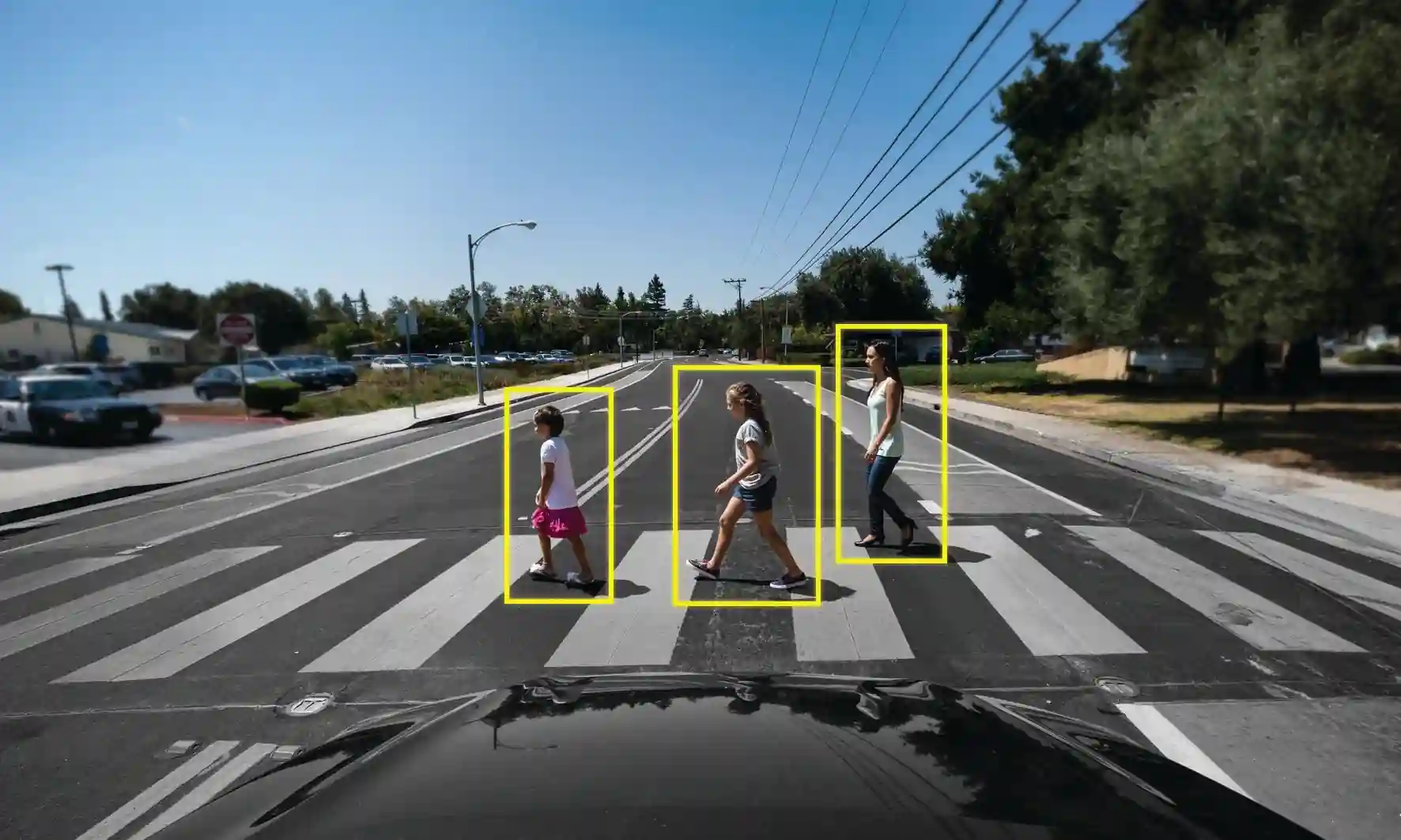
This is the central paradox of object detection. On paper, it’s a solved problem—a mix of regression and classification powered by deep learning. But in the wild, it is a messy, high-stakes game of digital intuition. Object detection is the bridge that allows a machine to not just “see” light and shadow, but to categorize them into meaningful entities: a pedestrian, a stop sign, or a surgical tool.
The Evolution: From Pixels to Predictions
To understand where we are, we have to look at how far the “eye” has traveled. Early computer vision relied on rigid templates. If a car didn’t look exactly like the car in the database, the system was blind.
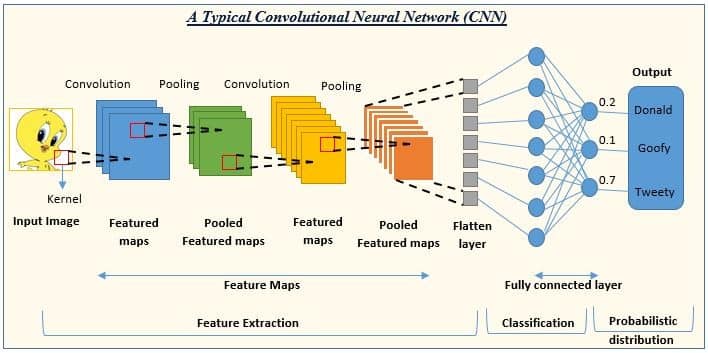
Today, we use Convolutional Neural Networks (CNNs). These models don’t look for “cars”; they look for hierarchical features—curves that form wheels, lines that form windows, and textures that suggest metal.
-
The Speed Kings: Models like YOLO (You Only Look Once) treat detection as a single regression problem, making them incredibly fast for robotics.
-
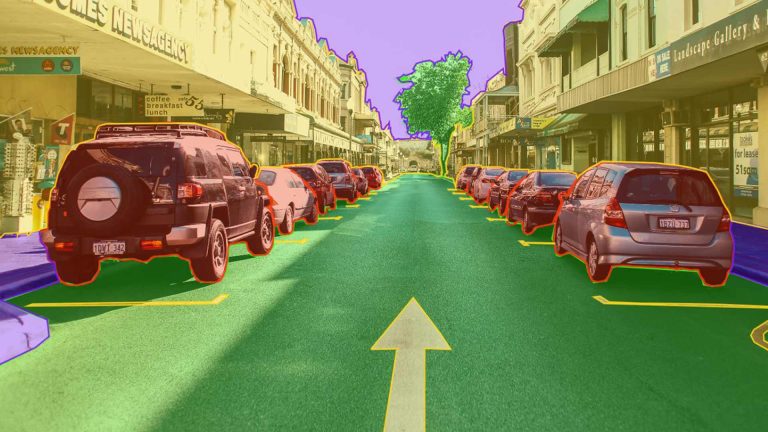
The Precision Experts: Architectures like Mask R-CNN take a two-stage approach, ensuring that even in cluttered environments, the boundaries are crisp.
Editorial Opinion: The industry is currently obsessed with “Real-time” performance. However, speed is useless if the model lacks “temporal consistency.” Seeing a car in frame 1, losing it in frame 2, and finding it again in frame 3 is a failure, regardless of how many milliseconds the inference took.
Reality Check: The Data Bias Trap
There is a common misconception that “more data equals a better model.” This is a dangerous half-truth.
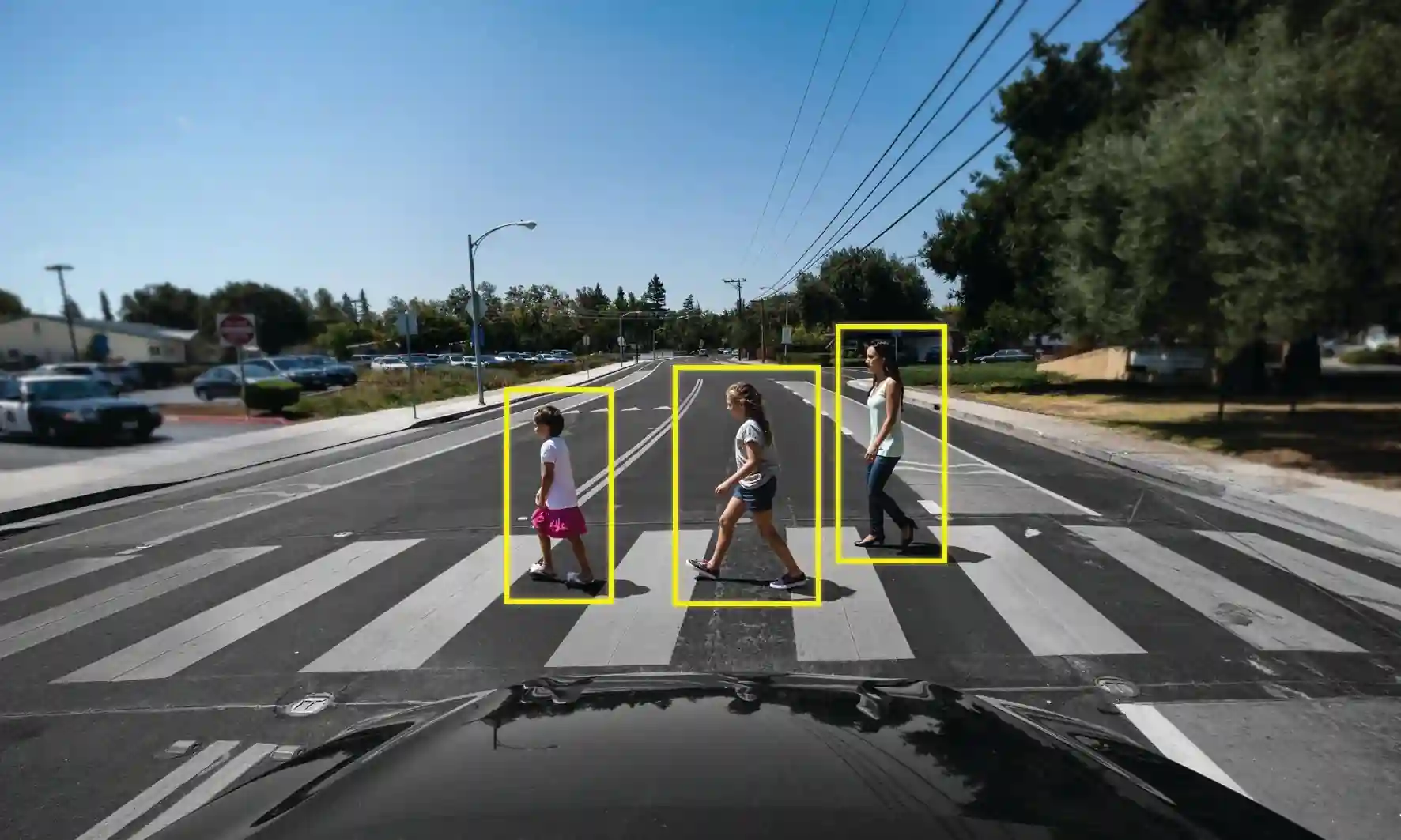
If you train an object detection model for a self-driving car using only sunny California footage, that model becomes functionally “blind” in a London fog or a Jakarta monsoon. The reality is that diversity of data trumps volume of data. A model is only as smart as the edge cases it has survived.
The “Silent” Challenges: Occlusion and Lighting
Most tutorials show you a clear picture of a dog in a park. But real-world object detection deals with:
-
Occlusion: What happens when a person is 70% hidden behind a pillar?
-
Scale Variance: A plane at 30,000 feet is just a few pixels; a plane at the gate is the entire frame.
-
Low-Light Noise: When the sun goes down, pixels turn into “snow,” and traditional filters often fail.
The breakthrough we are seeing now involves Sensor Fusion—combining standard cameras with LiDAR or Thermal imaging to give the AI “superhuman” vision that doesn’t rely on the visible spectrum alone.
Practical Strategy: Building for Longevity

If you are implementing object detection for a business or a project, stop looking for the “best” model and start looking for the “right” one:
-
Hardware Constraints: Don’t run a heavy Transformer model on a Raspberry Pi. Match your architecture to your “Edge” limitations.
-
Active Learning: Set up a pipeline where the model “flags” images it is unsure about. Let a human verify them, then feed that back into training. This is how you beat the 99% accuracy ceiling.
-
Explainability: Can you explain why the AI detected a weapon in a harmless umbrella? In sectors like security and law, “because the black box said so” is no longer an acceptable answer.
The Horizon: Semantic Understanding
The next frontier isn’t just identifying a “cup.” It’s understanding that the cup is “leaking.” We are moving toward Scene Graphs, where the AI understands the relationship between objects. This transition from simple detection to holistic understanding is what will finally turn “smart” devices into truly intelligent companions.