Convolutional Neural Network Teaching Machines the Art of Seeing
The way you recognized the words on this screen happened so fast you didn’t even notice the biological machinery behind it. Your eyes scanned for edges, your brain identified shapes, and within milliseconds, you decoded symbols into meaning. For decades, this was the “Holy Grail” that computers simply couldn’t touch. To a machine, a photo of a cat wasn’t a pet; it was just a chaotic grid of numbers representing brightness and color.
A convolutional neural network (CNN) is the bridge that finally allowed machines to cross that gap. It is the architectural backbone of everything from the FaceID on your phone to the self-driving cars navigating complex intersections. At its core, it is a mathematical attempt to mimic the human visual cortex, turning a flat sea of pixels into a structured understanding of the world.
The Reality Check: AI Doesn’t Actually “See” Objects
Here is a common misconception: people think a convolutional neural network “looks” at a dog and thinks, “Ah, that’s a Golden Retriever.” In reality, the network has no concept of what a dog is. It only identifies statistical patterns of edges, textures, and gradients. It doesn’t see a “tail”; it sees a specific curve and a hairy texture that, when combined with other patterns, historically correlates with the label “dog.” Understanding this distinction is crucial for anyone trying to build or implement AI.
The Architecture of Perception: Layers of Logic
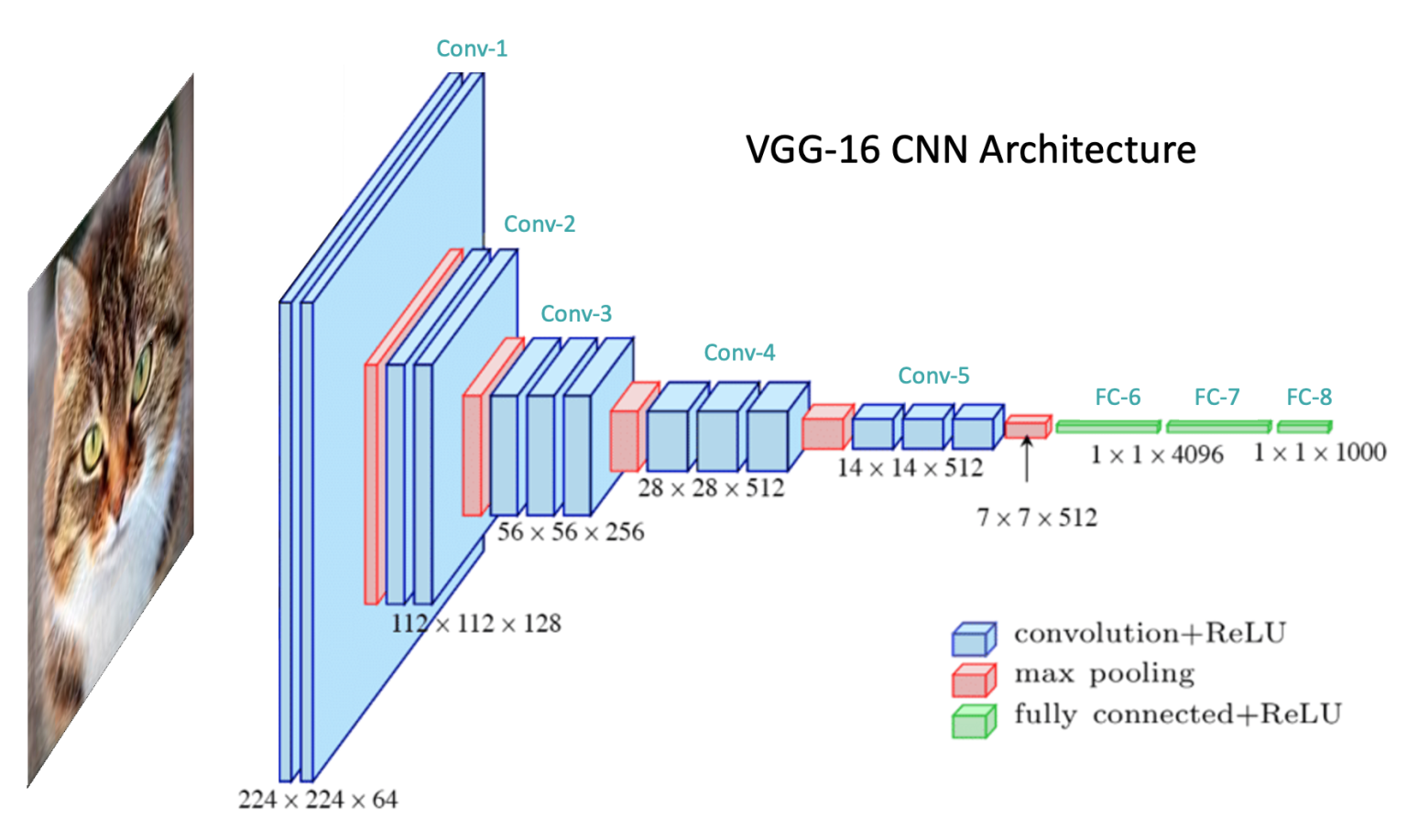
To understand a convolutional neural network, you have to think in layers. Much like peeling an onion in reverse, a CNN starts with the smallest details and builds them into complex concepts.
1. The Convolutional Layer: The Feature Detector
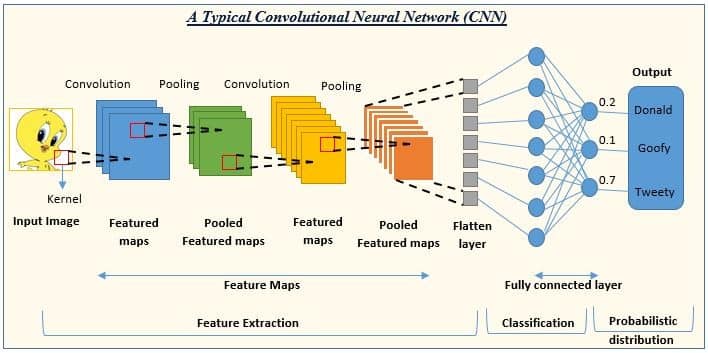
This is where the magic happens. Imagine taking a small flashlight (a “filter” or “kernel”) and sliding it across an entire image. This layer looks for specific features—horizontal lines, vertical edges, or color blobs. When the filter finds a match, it lights up. These “light-up” points form what we call a feature map.
2. The Pooling Layer: Shrinking the Data
Processing every single pixel is computationally expensive and often unnecessary. Pooling layers act as a “summarizer.” They take a group of pixels and boil them down to their most important value (often using Max Pooling). It’s the digital equivalent of saying, “I don’t need to see every blade of grass to know this is a lawn.”
3. The Fully Connected Layer: The Decision Maker
After the image has been filtered and shrunk through multiple stages, the data reaches the final layer. Here, all the high-level features identified—the ears, the eyes, the wheels—are weighed against each other to make a final classification.
Why CNNs Changed the Game
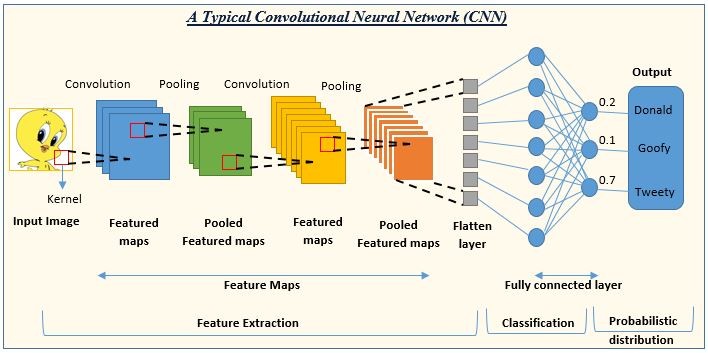
Before the rise of the convolutional neural network, computer vision relied on “hand-crafted” features. Engineers had to manually tell the computer what an edge looked like. It was tedious and fragile.
The beauty of a CNN is that it is self-learning. Through a process called backpropagation, the network adjusts its own filters during training. If it keeps mistaking a wolf for a dog, it recalibrates its internal math until the error rate drops. This autonomy is why we’ve seen an explosion in AI capabilities over the last decade.
The Editorial Perspective: The “Black Box” Problem
While the convolutional neural network is a triumph of engineering, we must be honest about its limitations. These networks are often “black boxes.” We know they work, but we don’t always know why they make specific mistakes. A CNN might classify a photo as a “bus” simply because there is a specific type of asphalt in the background, not because it sees the bus itself. This is why “Explainable AI” is becoming the next big frontier—we need to know what the machine is actually looking at before we trust it with life-or-death decisions.
Practical Steps for Implementation
If you are looking to integrate a convolutional neural network into your business or project, don’t start from scratch.
-
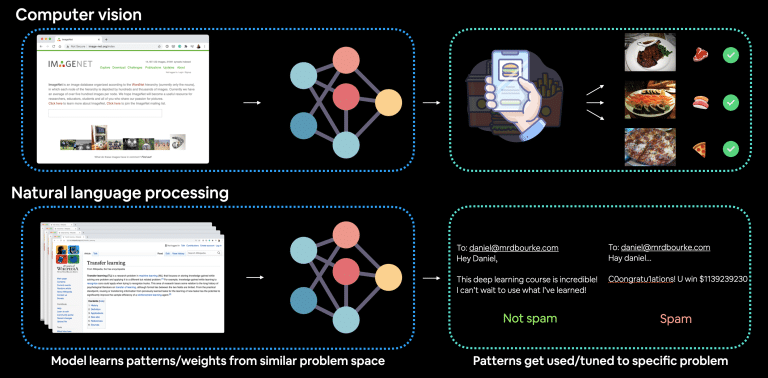
Use Transfer Learning: Use pre-trained models like ResNet or VGG16. They’ve already spent thousands of GPU hours learning how to see edges and shapes; you just need to teach them your specific task.
-
Data Diversity is King: A CNN is only as good as the images it eats. If you only show it photos of cars in the sunlight, it will be blind to a car in the rain.
-
Watch for Overfitting: Don’t let your model memorize your dataset. It should learn patterns, not specific pictures.
The Future of Visual AI
We are moving toward a world where the convolutional neural network isn’t just a separate tool, but an integrated sense. From identifying crop diseases in agriculture to spotting tumors in medical imaging with higher accuracy than humans, the “digital eye” is becoming sharper every day. We aren’t just teaching machines to see; we are giving them the ability to perceive details that the human eye might miss entirely.