Beyond the Hype Why Artificial Intelligence is the Mirror, Not the Replacement
Imagine waking up to a world where your phone knows you’re tired before you even realize it, your email drafts itself with scary accuracy, and your car calculates the fastest route based on a psychic-like understanding of city traffic. This isn’t a scene from a 1960s sci-fi novel; it’s your Tuesday morning. We’ve spent decades looking for artificial intelligence in humanoid robots with glowing blue eyes, but the reality is much more subtle. It’s not a “thing” we see; it’s the invisible layer of math that has become the oxygen of the digital age.
The term “artificial intelligence” often triggers a mix of awe and existential dread. We wonder if we are building our successors or our servants. However, at its core, AI is simply the greatest mirror humanity has ever built. It processes our data, mimics our patterns, and solves our problems. To understand AI is to understand how we, as humans, process information—and where we go from here.
Decoding the Engine: How Artificial Intelligence Actually Works
Most people think AI “thinks” like a human. It doesn’t. While we use intuition and emotion, artificial intelligence relies on massive amounts of data and pattern recognition. If you show a child three pictures of a cat, they get it. If you want an AI to recognize a cat, you might need to show it ten thousand.
Machine Learning and the Power of Prediction

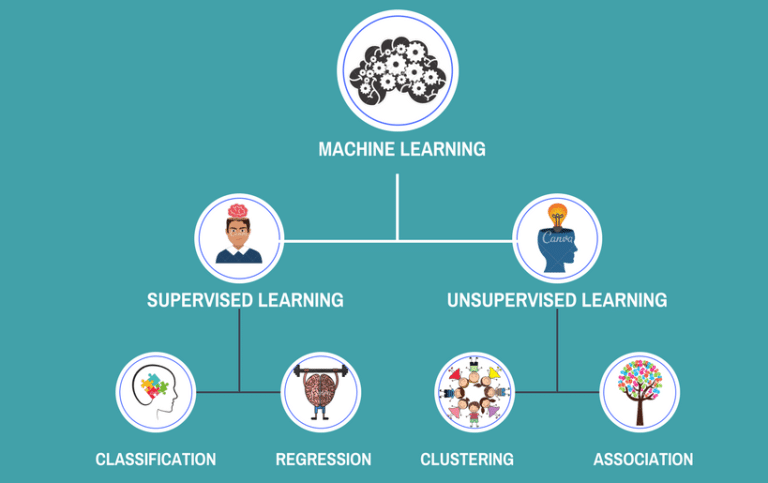
At the heart of modern AI lies Machine Learning (ML). Think of it as a student that never sleeps. By feeding algorithms vast datasets, the system “learns” to identify correlations that a human brain would miss. When Netflix suggests a show you actually like, it’s not because the app knows your soul; it’s because it analyzed millions of data points from people who share your weirdly specific taste in 90s sitcoms.
The Rise of Neural Networks
Deep Learning, a subset of ML, mimics the structure of the human brain through layers of “neurons.” This is where the magic (and the complexity) happens. It’s what allows for voice recognition, real-time translation, and the ability for a computer to beat a grandmaster at Go. But here is the reality check: even the most advanced neural network doesn’t “understand” the word “apple” the way you do. To the AI, it’s just a high-probability mathematical vector associated with the color red and the shape of a fruit.
The Misconception: AI is Coming for Your Job (All of Them)
One of the most persistent myths is that artificial intelligence is a looming unemployment crisis. History tells a different story. Just as the printing press didn’t kill writing and the calculator didn’t kill mathematics, AI is an evolution of tools.
Editorial Opinion: We need to stop viewing AI as a replacement and start seeing it as “Augmented Intelligence.” The real threat isn’t a robot taking your desk; it’s a person who knows how to use AI taking your desk. AI excels at the “boring stuff”—data entry, basic scheduling, and repetitive analysis. This frees up the human brain for what it does best: empathy, strategy, and creative leaps that don’t follow a logical pattern.
Why the Human Element is Irreplaceable
Despite the leaps in generative AI, there is a “uncanny valley” that technology struggle to cross. Artificial intelligence can write a poem, but it hasn’t felt the sting of heartbreak. It can compose a symphony, but it doesn’t know why a certain chord makes a crowd cry.
The Problem of Hallucination
One thing rarely discussed in glossy tech brochures is the “hallucination” problem. AI models are designed to be helpful, sometimes to a fault. If they don’t know an answer, they might confidently invent a fact that sounds perfectly plausible. This is why human oversight remains the ultimate fail-safe. We provide the “sanity check” that an algorithm, no matter how powerful, simply cannot perform.
Ethics and the Bias Loop
Because AI learns from us, it also learns our flaws. If a recruitment AI is trained on historical data from a biased industry, it will likely perpetuate those same biases. Building ethical artificial intelligence isn’t just a technical challenge; it’s a philosophical one. We have to decide what kind of world we want the machines to help us build.
Practical Steps: Living with the Algorithms

You don’t need a PhD in Computer Science to navigate this new landscape. Here is how you can stay ahead:
-
Audit Your Tools: Look at the apps you use daily. Which ones use AI? Understanding their logic helps you use them more effectively.
-
Prompt Engineering: Whether you’re using a chatbot or an image generator, learning how to “speak” to AI—giving clear context and constraints—is the most valuable skill of 2026.
-
Verify, Don’t Just Trust: Use AI for the first draft, but always provide the final polish. The “human touch” is what makes content stand out in a sea of algorithmic noise.
The Future: A Collaborative Horizon
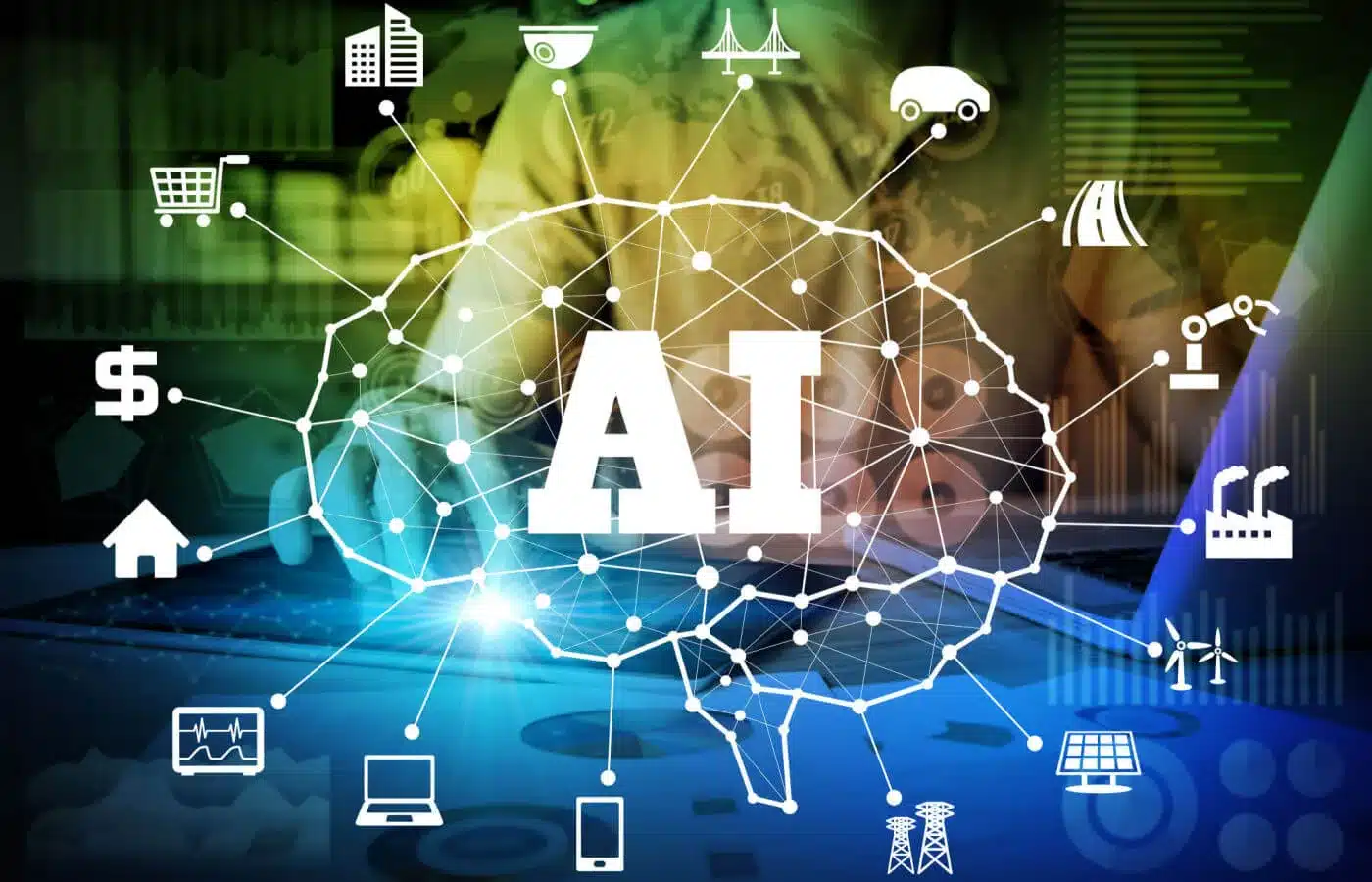
Where is artificial intelligence taking us? We are moving toward a “Co-Pilot” era. In healthcare, AI helps doctors spot tumors earlier than the human eye can see. In climate science, it models weather patterns to help us fight global warming.
The future of AI isn’t about Silicon Valley elites or sci-fi dystopias. It’s about how we choose to integrate these tools into our lives to solve the problems that actually matter. We are the architects; the AI is just the most advanced hammer we’ve ever built.