Summarization AI How to Stop Drowning in the Digital Ocean
Your brain was never designed to process 174 newspapers’ worth of data every single day. Yet, that is exactly what the average modern human attempts to do. This constant state of “hyper-consumption” leads to a specific kind of mental paralysis—where you have read everything but understand nothing. We are data-rich but insight-poor.
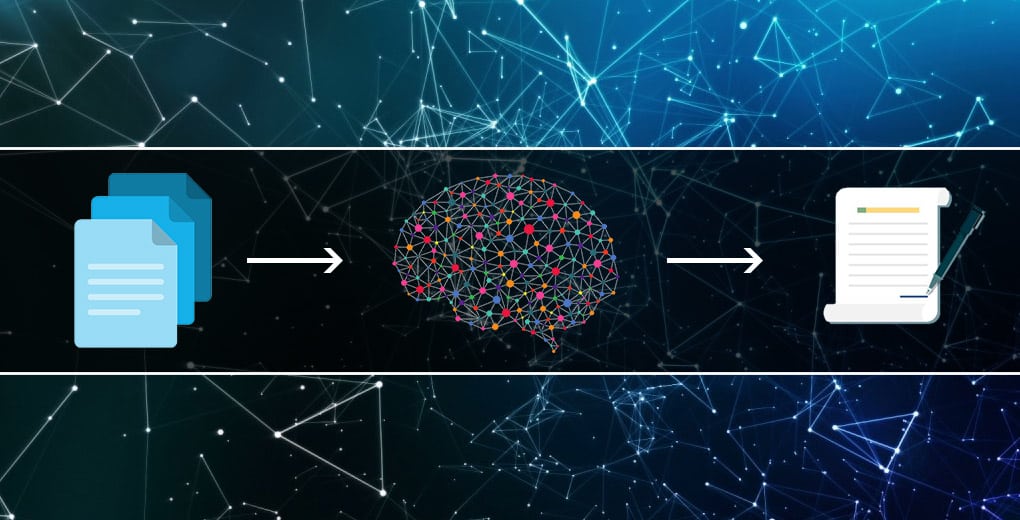
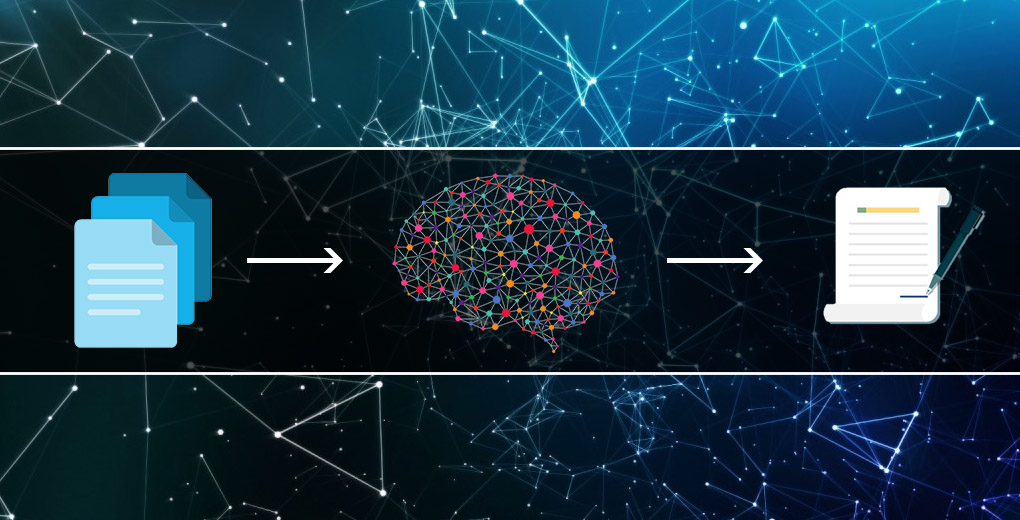
This is where summarization ai steps in. It’s not just a tool for students looking for a shortcut; it is a vital cognitive filter. By offloading the brute-force task of “reading for structure” to an algorithm, you free up your actual human intelligence for the things AI still can’t do: critical thinking, emotional nuance, and creative synthesis.
The Two Faces of Machine Brevity: Extractive vs. Abstractive

When we talk about summarization ai, most people think it’s just a “copy-paste” bot. In reality, the technology has split into two very different biological-sounding paths.
1. Extractive Summarization (The Highlighter)
Think of this as an AI with a neon yellow marker. It scans a document, identifies the most statistically significant sentences based on keyword density and position, and pulls them out. It doesn’t “write” anything new; it just curates the best of what’s already there. It’s fast, objective, and great for legal documents where every original word matters.
2. Abstractive Summarization (The Translator)
This is where the magic (and the Large Language Models) happens. Summarization ai using an abstractive approach actually understands the context. It reads the whole text, internalizes the meaning, and then writes a brand-new summary in its own words. It can condense a 50-page whitepaper into three punchy bullet points that sound like they were written by a McKinsey consultant.
Reality Check: The “CliffNotes” Trap
A major misconception is that using summarization ai means you’ve “read” the book. Let’s be honest: a summary gives you the coordinates, but it doesn’t give you the journey. If you rely solely on AI summaries for complex decision-making without ever checking the source material, you are vulnerable to “hallucinations”—where the AI confidently invents facts to make a summary sound more cohesive. Use the summary to decide if a paper is worth your time, not to replace the time spent thinking.
Why Your Business is Leaking Time (and How AI Fixes It)
In a professional setting, the ROI of summarization ai isn’t measured in words saved, but in “Decision Velocity.”
-
Meeting Fatigue: We’ve all been in 60-minute meetings that could have been an email. AI tools can now join these calls, transcribe the chaos, and provide a 5-sentence summary of action items before you’ve even closed the Zoom window.
-
The Research Bottleneck: For analysts, the hurdle isn’t finding information; it’s triaging it. AI can scan 500 news articles about “market trends” and present a unified brief of the three most recurring risks.
-
Customer Feedback Loop: Imagine a company receiving 10,000 support tickets a month. A human can’t spot the pattern, but a summarization ai can instantly report: “60% of users are frustrated with the new checkout button.”
Editorial Opinion: Is AI Making Us “Dumb”?
Critics argue that by letting AI summarize everything, we are losing our ability to focus on long-form content. I disagree. I believe summarization ai is actually a tool for intellectual hygiene. By filtering out the fluff and the “SEO filler” that plagues modern writing, we can spend our limited mental energy on the 10% of content that actually moves the needle. It’s not about reading less; it’s about reading what matters.
What to Look for in a Summarization Tool
If you’re ready to start offloading your reading load, don’t just pick the first bot you find. A high-quality summarization ai should offer:
-
Controllable Length: You should be able to toggle between a “TL;DR” (one sentence) and an “Executive Summary” (detailed paragraphs).
-
Context Preservation: Does the AI keep the tone of the original? A summary of a sarcastic op-ed shouldn’t sound like a dry medical report.
-
Source Transparency: The best tools will “cite” their summary, showing you exactly which paragraph in the original text generated a specific point in the summary.
The Hidden Power: Cross-Lingual Summarization
Something rarely discussed is the ability of AI to summarize across language barriers. You can take a complex technical manual written in German and ask a summarization ai to give you a 300-word summary in English. This effectively dissolves the “silo” effect of global information, allowing ideas to travel faster than they ever could when we relied on manual translation.
The Future: Personalized Narrative Summaries
We are moving toward a world where summarization ai doesn’t just summarize for “anyone”—it summarizes for you.
Imagine an AI that knows you are a CFO. When it summarizes a 100-page climate report, it automatically emphasizes the financial risks and tax implications. Meanwhile, for the Chief Engineer, the same AI summarizes the same report but focuses on the hardware specifications and energy grids.
We aren’t just shortening text anymore; we are personalizing reality.