
Model Degradation: The Silent Killer of AI Performance
In the rapidly evolving landscape of artificial intelligence, the promise of intelligent systems is often accompanied by a less discussed, yet critically important, challenge: model degradation. Think of it like a perfectly tuned race car that, over time, starts to lose its edge. The engine might still run, but its lap times are no longer competitive. Similarly, AI models, once performing optimally, can gradually and insidiously decline in accuracy and effectiveness. This phenomenon, known as model degradation or AI drift, can have significant consequences across various industries, from the seamless travel recommendations you receive to the accuracy of news article classifications.
What Exactly is Model Degradation?

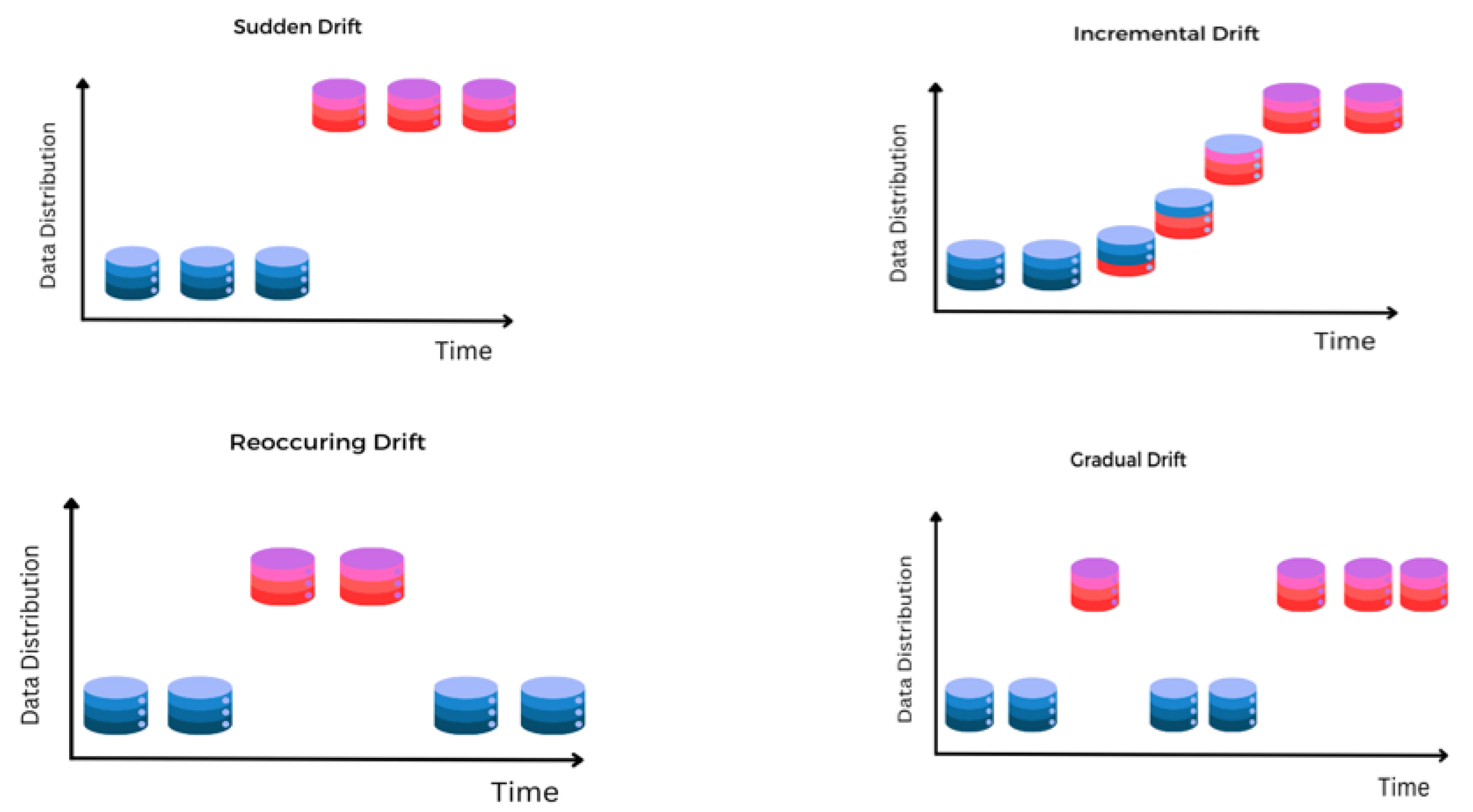
At its core, model degradation refers to the decrease in a machine learning model’s performance over time. This isn’t necessarily a sign of a flawed initial build; rather, it’s a natural consequence of the dynamic environments in which these models operate. The data the model was trained on reflects a specific point in time, a snapshot of reality. However, the real world is constantly changing.
Imagine an AI model trained to predict flight delays based on historical data. If a global pandemic suddenly disrupts air travel patterns, the model’s predictions, based on pre-pandemic data, will become increasingly inaccurate. This is a classic example of concept drift, a major driver of model degradation. The underlying relationship between the input features (like weather, time of year) and the target variable (flight delay) has fundamentally changed.
Types of Model Degradation
While concept drift is a prominent culprit, model degradation can manifest in several ways:
1. Concept Drift
As discussed, concept drift occurs when the statistical properties of the target variable change over time. The relationship between features and the outcome shifts. This is particularly relevant in areas like:
- Travel: User preferences for destinations, travel styles (e.g., budget vs. luxury), and popular times to travel can shift due to economic factors, global events, or emerging trends. An AI recommending beach holidays might become less effective if a new wave of interest in eco-tourism emerges.
- News: The topics that dominate headlines and the sentiment surrounding them evolve rapidly. An AI classifying news articles might struggle if the language used to describe events or the nature of the events themselves changes significantly.
2. Data Drift (Feature Drift)
Data drift, or feature drift, happens when the distribution of the input features changes, even if the underlying relationship between features and the target variable remains the same. For instance, if a travel app starts collecting more detailed user information (e.g., dietary restrictions, accessibility needs) that wasn’t present in the original training data, the model might not know how to effectively utilize this new information, leading to degraded performance.
3. Upstream Data Changes
Sometimes, the problem isn’t with the model itself or the real-world concepts, but with the data pipelines feeding the model. Changes in data collection methods, sensor malfunctions, or alterations in data formatting can introduce noise or incorrect information, leading to erroneous predictions.
4. Model Staleness
This is a simpler form of degradation where the model simply becomes outdated. User behaviors, market trends, and technological advancements are constantly in motion. A model that was state-of-the-art a year ago might be significantly outperformed by newer architectures or models trained on more recent data.
Why is Model Degradation a Problem?
The implications of unchecked model degradation are far-reaching and can be detrimental:
- Reduced Accuracy and Reliability: This is the most direct consequence. Inaccurate predictions lead to poor decision-making, wasted resources, and frustrated users.
- Loss of Trust: If an AI system consistently provides irrelevant or incorrect results, users will lose faith in its capabilities. Imagine a travel recommender that keeps suggesting places you’ve already visited or are entirely unsuitable for your expressed interests.
- Financial Losses: In industries like e-commerce or finance, degraded models can lead to missed sales opportunities, incorrect investment decisions, or increased fraud.
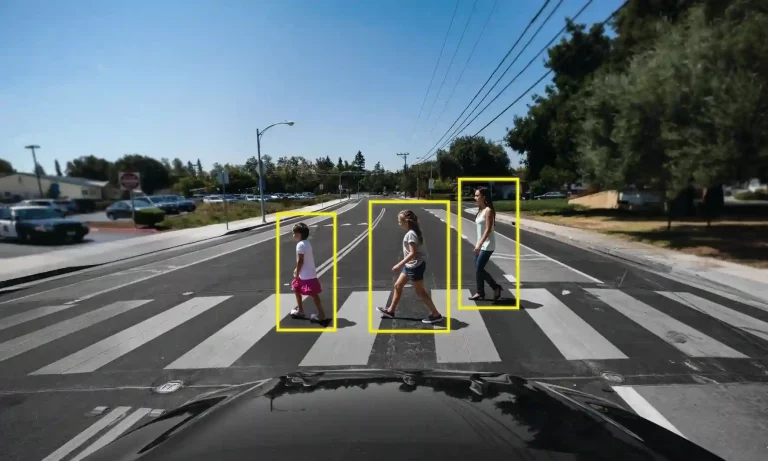
- Safety Risks: In critical applications like autonomous driving or medical diagnosis, model degradation can have severe safety implications.
- Inefficiency: Systems that rely on degraded models become less efficient, requiring more manual intervention and oversight.
Combating Model Degradation: Strategies and Solutions
Fortunately, model degradation is not an insurmountable problem. Proactive monitoring and strategic interventions can help maintain optimal AI performance. Here are key strategies:
1. Continuous Monitoring and Performance Tracking
The first line of defense is robust monitoring. This involves tracking key performance metrics (accuracy, precision, recall, F1-score, etc.) over time. Setting up alerts for significant drops in performance is crucial. Tools that visualize data distributions and model predictions can also help spot anomalies early.
2. Regular Retraining and Fine-tuning
Periodically retraining your models with fresh, up-to-date data is essential. This process, often referred to as fine-tuning, allows the model to adapt to new patterns and concepts. The frequency of retraining depends on the rate of change in the domain. For fast-evolving areas like news trends or travel fads, more frequent retraining might be necessary.
3. Anomaly Detection
Implementing anomaly detection techniques on both input data and model predictions can help identify unusual patterns that might indicate drift. This allows for early investigation before performance is significantly impacted.
4. Adaptive Learning and Online Learning
For systems that require real-time adaptation, online learning or incremental learning approaches can be employed. These methods allow models to update themselves continuously as new data arrives, without needing to retrain from scratch.
5. Data Validation and Quality Assurance
Ensuring the quality and integrity of incoming data is paramount. Implementing strict data validation checks and maintaining robust data pipelines can prevent upstream data issues from causing degradation.
6. Version Control and Experimentation
Treating AI models like software, with proper version control, allows for easy rollback to previous, more stable versions if a new model update performs poorly. Experimentation with different model architectures and training strategies can also help identify more resilient models.
Model Degradation in Action: Examples from Niche Industries
Let’s look at how model degradation can impact specific niches:
- Technology: In a rapidly advancing tech landscape, AI models predicting hardware failures or optimizing network traffic can degrade as new technologies emerge and usage patterns change. A model trained on older network protocols might struggle with the introduction of 5G or Wi-Fi 6.
- Travel: Consider an AI that personalizes travel itineraries. If user preferences shift from historical sites to adventure sports due to a viral social media trend, the AI needs to adapt. Failure to do so will lead to irrelevant recommendations and a poor user experience.
- Anime: In the world of anime recommendation engines, user tastes evolve. New genres gain popularity, and established series gain new fans. A model trained solely on older, popular anime might fail to recommend emerging hits or niche genres that a user might now enjoy.
- News: An AI tasked with summarizing news articles might degrade if the language used in reporting shifts, or if the nature of events changes. For example, a model trained to identify economic news might struggle if the discourse shifts from inflation to geopolitical trade wars, requiring a different understanding of key terms and relationships.
The Future of AI and Degradation Management
As AI systems become more pervasive, the management of model degradation will become even more critical. The focus will likely shift towards building more inherently robust and adaptive AI systems. Research into self-healing models, explainable AI (XAI) to better understand the root causes of degradation, and automated MLOps (Machine Learning Operations) pipelines that streamline monitoring and retraining will be key.
In conclusion, model degradation is an inevitable challenge in the lifecycle of any AI system. By understanding its causes, recognizing its impact, and implementing proactive strategies for monitoring and maintenance, we can ensure that our intelligent systems continue to deliver value and remain reliable partners in an ever-changing world.